Why Thin Wine Stemware Changes the Pour
A beautifully set table can lose some of its intention the moment wine is served in a heavy, thick-rimmed glass. Thin wine stemware changes that experience immediately. It brings a lighter silhouette to the table, a finer point of contact at the rim, and a sense that the pour itself has been considered rather than merely accommodated.
That does not mean every wine needs an impossibly delicate glass reserved for formal occasions. The appeal of a thin stem is more practical than precious: it can make a familiar bottle feel more expressive while giving a dinner table, bar program, or celebratory toast a more composed visual rhythm. The best pieces balance that refined feeling with enough durability to earn a place in regular rotation.
What Makes Thin Wine Stemware Feel Different
The first difference is tactile. When the rim is thin, the wine reaches the palate with less interruption from the glass itself. It is a subtle distinction, but one experienced drinkers often notice: the vessel feels less present, allowing texture, acidity, and aroma to take more of the stage.
A thin stem also changes how a glass is handled. Holding wine by the stem helps keep fingerprints off the bowl and limits the transfer of hand warmth into a chilled white, rosé, or sparkling wine. More than etiquette, it is a functional detail that preserves the intended serving temperature for longer. For restaurants and hosts, it also creates a more polished gesture at the table.
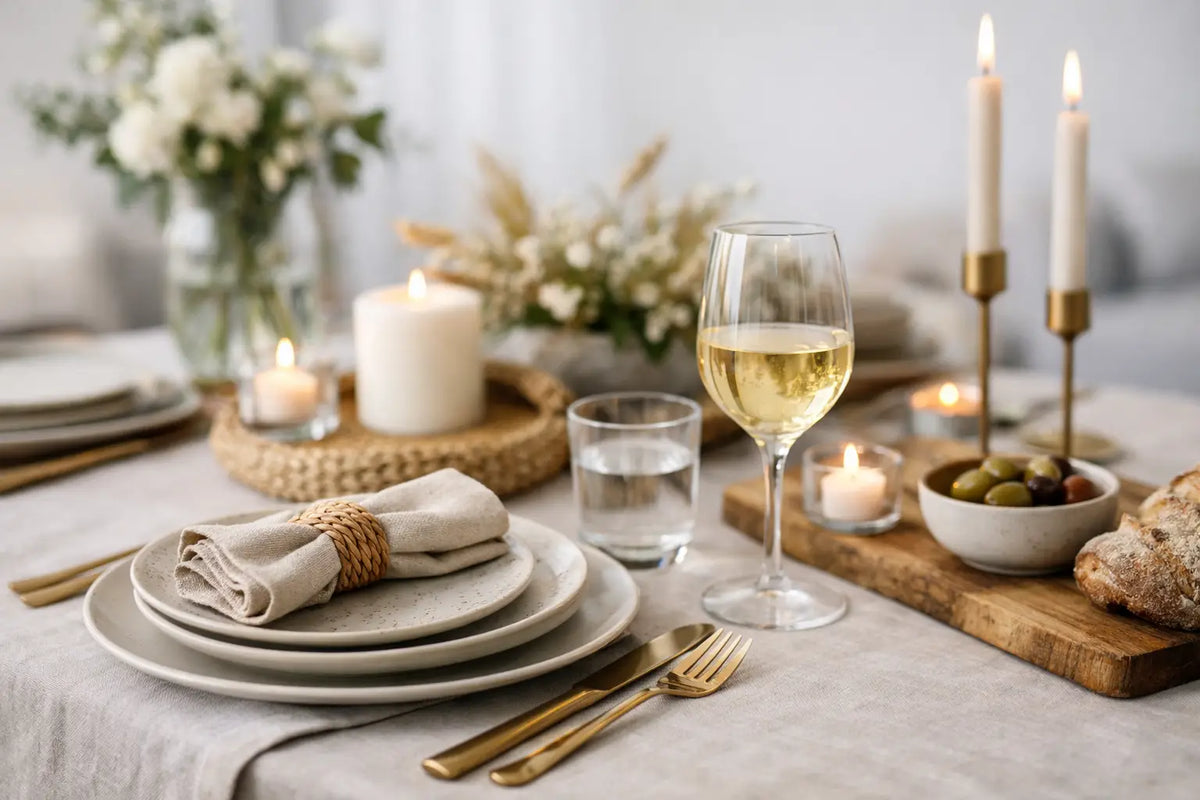
Then there is proportion. A slender stem lifts the bowl away from the tabletop, giving the setting visual air. This is particularly valuable when a table includes layered linens, low floral arrangements, candlelight, or thoughtfully plated food. Glassware with a heavy base and thick stem can visually crowd a place setting. A finer profile brings definition without demanding attention.
The Bowl Still Does the Real Work
Thinness alone does not make a wine glass well designed. A delicate stem paired with the wrong bowl shape can still flatten the experience. The bowl determines how much air reaches the wine, how aromas gather, and where the wine lands as it is sipped.
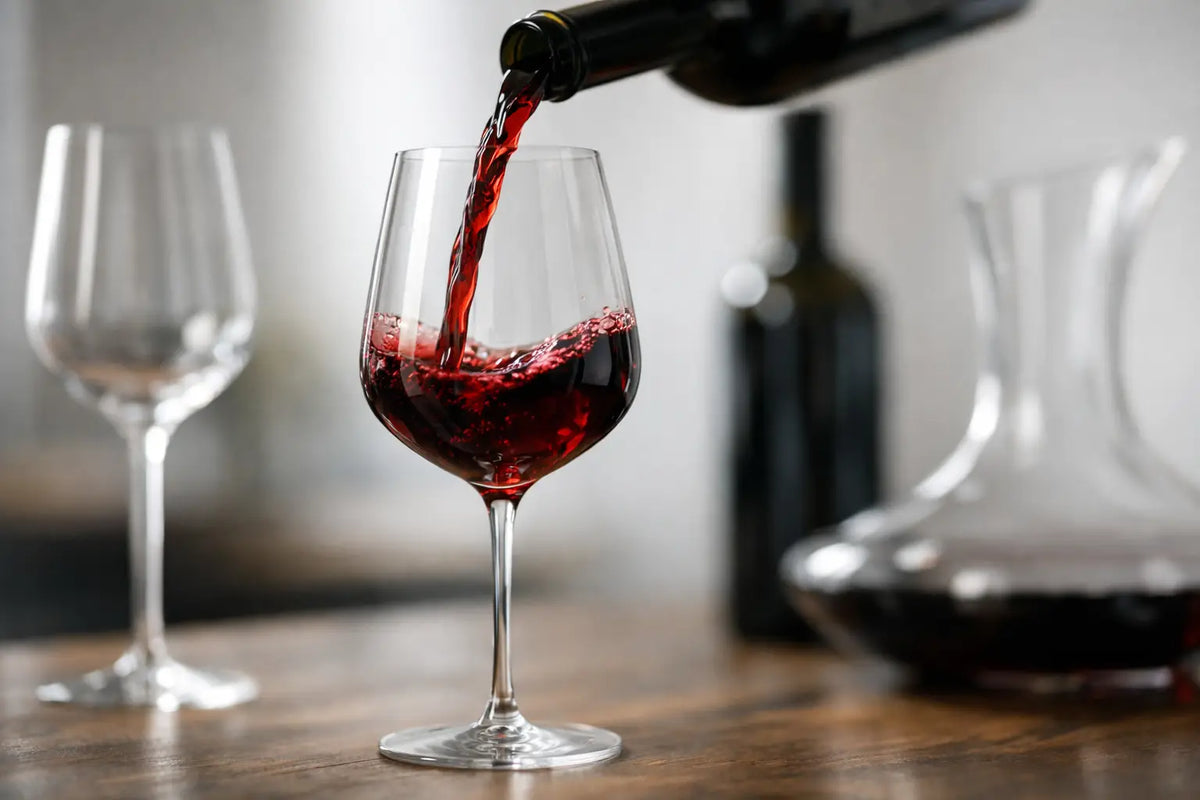
For reds, a larger bowl generally gives the wine room to open. A broad Burgundy-style bowl can be especially flattering for aromatic Pinot Noir, Gamay, and Nebbiolo, while a more upright Bordeaux shape often suits structured Cabernet Sauvignon, Merlot, and Syrah. The objective is not to turn a weeknight pour into a technical exercise. It is simply to give the wine enough space to show its character.
White wines benefit from a slightly smaller bowl that helps preserve freshness and temperature. Sparkling wine calls for a shape that supports both aroma and effervescence. A narrow flute offers a dramatic stream of bubbles, while a tulip-shaped bowl provides more room for the nose and can make Champagne, Cava, and sparkling rosé feel more complete.
For most homes and many hospitality programs, a versatile all-purpose wine glass is the most intelligent place to start. It should have enough capacity for red wine to breathe, a gently tapered opening to gather aroma, and a stem fine enough to bring an elevated feel to the pour. One exceptional multipurpose silhouette often serves a table better than a cabinet full of highly specialized shapes.
Material Matters as Much as the Profile
Lead-free crystal is a natural choice for thin wine stemware because it can be formed with remarkable clarity and finesse. The material gives a glass a luminous appearance under daylight or restaurant lighting, while its lighter feel supports the sense of precision that makes fine stemware appealing.
Clarity is not only about looks. When the bowl is transparent and bright, the color of the wine becomes part of the presentation. Pale straw white wines, copper-toned skin-contact wines, ruby reds, and celebratory sparkling pours all read differently against a clear, polished surface. For a host, that visual detail makes the table feel curated. For a restaurant, it supports the story behind the pour.
Still, material should be evaluated with real use in mind. The thinnest possible rim may be beautiful, but it may not be right for every service environment. A busy dining room, high-volume wine bar, or household with frequent gatherings needs glassware that can move through washing, resetting, and regular use with confidence. The ideal standard is not fragility. It is considered lightness with dependable construction.
Choosing the Right Balance for Your Table
The best choice depends on how and where the glasses will be used. For a formal dinner or wine-focused evening, a more delicate stem and generous bowl create a memorable sense of occasion. For everyday entertaining, look for a design that retains that fine-rimmed elegance while feeling stable enough for repeated use.
Pay attention to the base as well. A stem can be thin without feeling unstable when the foot is proportioned correctly. The glass should sit with quiet confidence on the table rather than wobble at the slightest movement. This balance matters for both home entertaining and professional service, where a graceful silhouette must also work at the pace of a real meal.
Height is another consideration. Taller glassware is striking, especially on a spacious dining table, but it can become impractical in smaller apartments, compact dishwashers, or crowded open shelving. If storage is limited, choose a shape with presence rather than excessive height. A well-proportioned glass does not need to tower over the place setting to feel luxurious.
For hospitality settings, consistency matters as much as individual beauty. Matching wine stemware across the dining room makes each table feel intentional and helps staff move with ease. A cohesive collection also creates flexibility: wine glasses, cocktail vessels, and champagne coupes can share a related visual language without making every drink look identical.
A Better Wine Ritual Starts Before the First Sip
Fine glassware has a way of encouraging better habits without making them feel ceremonial. You may pour a little less and return for a second glass rather than filling the bowl to the top. You may take a moment to notice the wine's color, or set the bottle beside a meal that deserves more than a casual tumbler. Those small choices shift the pace of the evening.
For entertaining, thin-stemmed glasses help guests feel cared for before the food arrives. They catch candlelight, frame the place setting, and make even a simple menu feel more considered. A roast chicken, a bowl of pasta, or takeout arranged on real plates can take on a different character when the table includes glassware chosen with the same eye.
This is also why a coordinated collection has lasting value. Angeleno Drinkware approaches tabletop pieces as part of a complete visual experience, where the wine glass is not an isolated object but a considered element beside ceramics, cocktails, and the meal itself. The goal is never decoration for its own sake. It is a table that feels naturally composed and ready to be used.
Care That Protects the Fine Details
Thin stemware rewards a little attention. If hand washing, use warm water, mild soap, and a soft cloth that will not leave lint behind. Hold the bowl and the base separately rather than twisting the bowl against the stem, which puts unnecessary pressure on the most delicate point of the glass.
If using a dishwasher, avoid overcrowding. Glasses should not touch one another during the cycle, and a lower-heat setting is preferable when available. Let them cool before handling, since abrupt temperature changes can be harder on fine glass than the wash itself.
For a streak-free finish, polish only once the glasses are fully dry. Steam can help release water marks, but do not force the bowl while polishing. A gentle, patient touch preserves the clarity and poise that made the glass appealing in the first place.
A fine wine glass does not need to wait for a milestone bottle. Choose thin wine stemware that feels balanced in the hand, right for the way you host, and beautiful enough to make an ordinary pour feel like an occasion worth keeping.