Modern Tabletop Styling Guide for Every Gathering
A beautifully set table does more than frame a meal. It sets the pace of the evening, gives guests a sense of care before the first pour, and turns familiar rituals into something worth lingering over. This modern tabletop styling guide begins with a simple idea: the most memorable tables are not overfilled. They are composed with intention, balancing visual character with the ease people need to eat, drink, and connect.
Modern styling is especially well suited to the way we gather now. It can feel polished without becoming precious, whether you are setting out coffee for two on a sunny Saturday or hosting a full dinner party. The goal is not perfection. It is creating a curated experience where every piece has a reason to be there.
Start With the Table's Purpose
Before choosing a color palette or reaching for the candles, decide what the table needs to do. A brunch setting, a cocktail-forward evening, and a formal three-course dinner each call for a different degree of structure. This practical first step prevents the common mistake of styling for a photograph rather than for the people sitting down.
For a dinner centered on food, leave room for serving platters, water glasses, and a comfortable place setting. For drinks and small plates, let the glassware become more prominent and keep the rest of the table edited. A café table has another set of needs: cups, saucers, sugar service, and clear room for a guest's phone or notebook. Function is not separate from good design. It is the foundation of it.
Think about the scale of the table, too. A compact apartment dining table benefits from fewer objects with stronger silhouettes. A longer table can carry more visual rhythm, but it still needs breathing room between settings. If guests have to move a vase to reach the bread, the composition is asking too much of them.
Build a Modern Tabletop Styling Foundation
The most successful modern tables begin with an anchor. This may be the natural grain of a dining table, a linen runner, a restrained placemat, or a large-format ceramic plate. Choose one foundational surface and let it establish the atmosphere before layering anything on top.
A neutral base is often the most versatile choice, but neutral does not have to mean flat. Warm white, sand, charcoal, stone, walnut, and soft gray all offer depth when paired with tactile materials. Linen introduces movement, porcelain brings a clean matte or glazed finish, and lead-free crystal catches light in a way that makes even still water feel considered.
From there, select a focused palette. Two primary tones and one accent are usually enough. For example, ivory porcelain, smoke-tinted glassware, and a deep olive napkin create a table that feels current without relying on a passing trend. If the setting is already rich in wood, brass, patterned tile, or colorful food, pare back the tabletop colors so the overall scene stays calm.
Let Shape Create the Drama
Modern tabletop styling often relies more on silhouette than ornament. A low, wide bowl beside a tall stemmed glass creates contrast. Straight-sided tumblers can make an elegant counterpoint to softly rounded plates. The effect comes from the conversation between forms, not from adding more decorative detail.
Repeat a shape or finish at least twice so the table feels connected. That might mean using rounded votives to echo the curve of coupe glasses, or choosing espresso cups whose clean profile relates to a minimalist dinner plate. Repetition creates visual confidence, while one unexpected element keeps the table from feeling showroom-perfect.
Treat Glassware as Part of the Composition
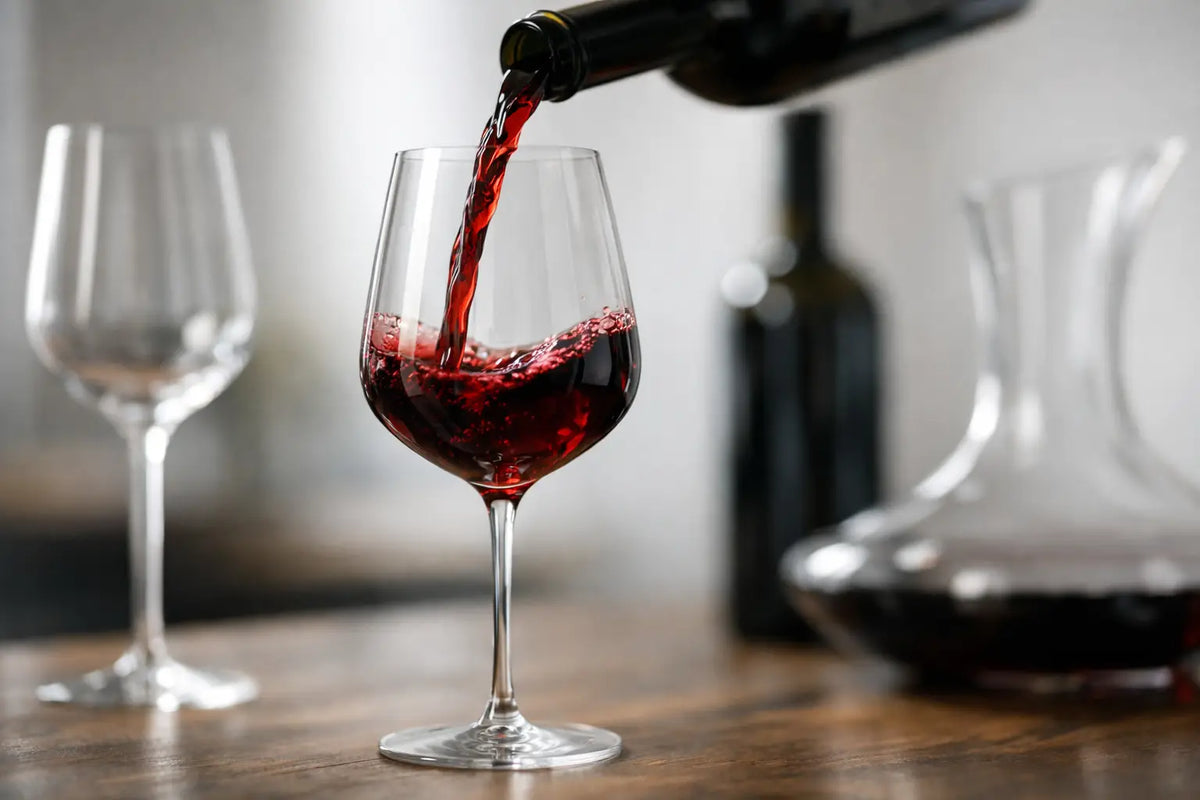
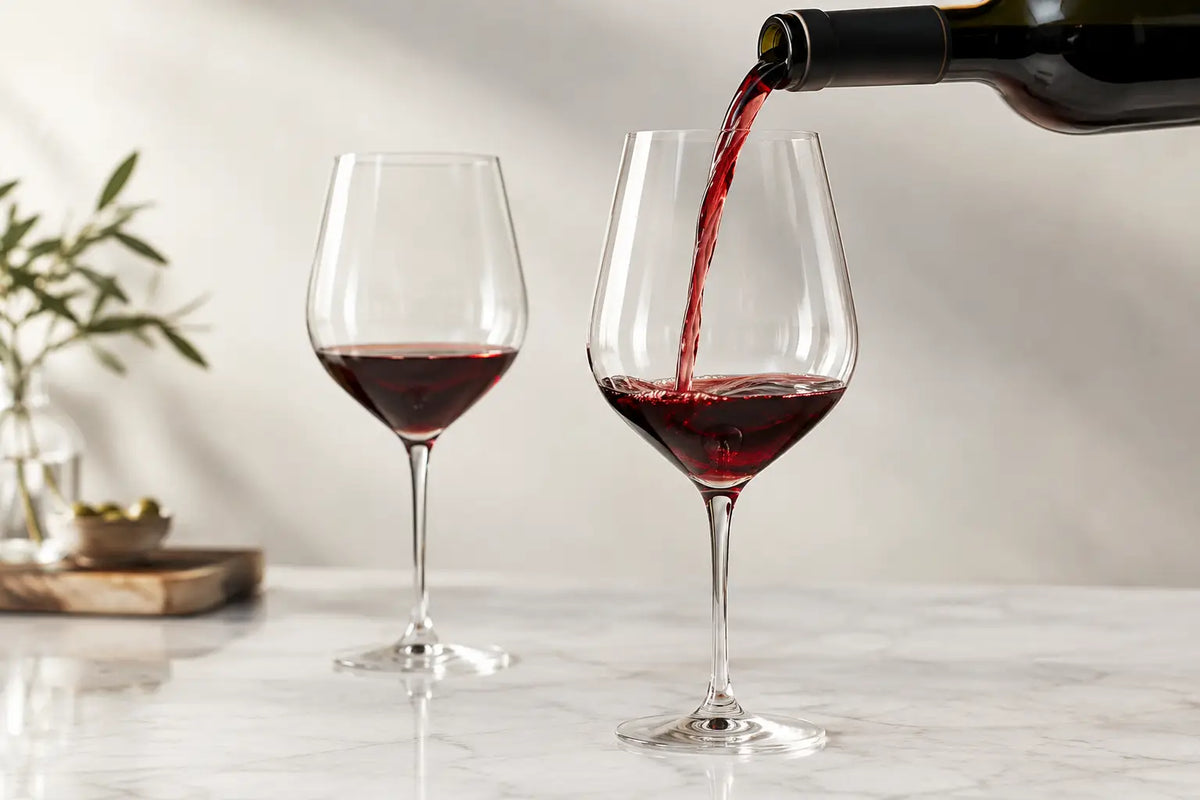
Glassware is often placed last, as if it were simply a practical necessity. In a refined setting, it is one of the most expressive elements on the table. A wine glass, cocktail coupe, water tumbler, or espresso cup carries both the beverage and the mood of the service.
Choose vessels according to the occasion, but resist setting every possible glass at each place. A water glass and one wine glass may be exactly right for an intimate dinner. Add a cocktail glass when the drink is a central part of the evening, not because formality demands it. Fewer, better-chosen pieces create a more relaxed and contemporary result.
Clarity, weight, and proportion matter. Fine lead-free crystal lends brightness and elegance to a table with clean lines, while a substantial beverage glass can ground a more casual outdoor lunch. At coffee service, porcelain cups and matching saucers create an immediate sense of ritual that a generic mug rarely achieves. Collections such as Angeleno Drinkware's Figueroa glassware and Wilshire porcelain service make this cohesion easier because the silhouettes already speak the same design language.
Keep glassware aligned with the place setting, but do not make the arrangement rigid. The table should look composed from above and feel effortless from the chair. If you are serving several beverages, establish a clear order: water closest to the setting, then wine or cocktail service slightly above and to the right. This keeps the presentation elegant and intuitive.
Use Layers Without Creating Clutter
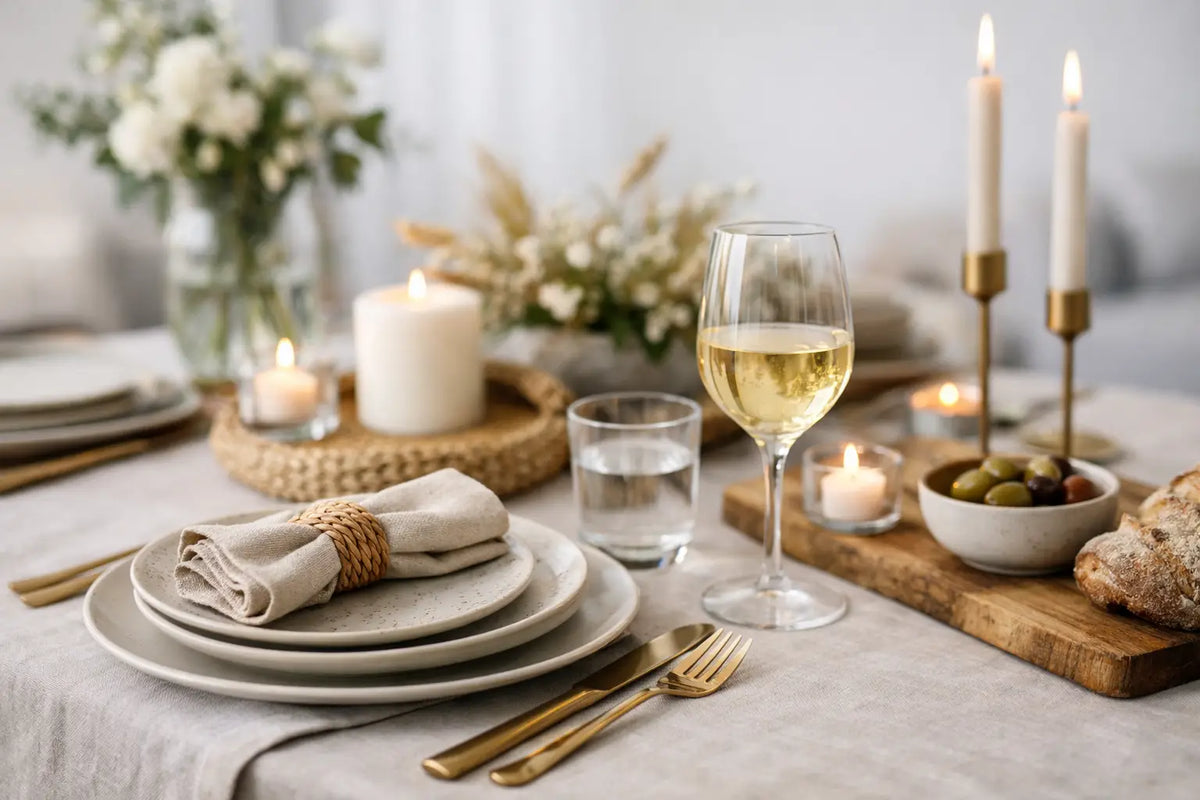
Layering gives a tabletop dimension, but every layer should contribute something useful or beautiful. Plates establish the setting. Napkins add color and texture. Flatware introduces a subtle line of shine. Glassware brings height and reflection. The center of the table offers an opportunity for atmosphere.
The trade-off is visibility. Tall floral arrangements can be striking, but they interrupt conversation across the table. For most gatherings, low arrangements, single-stem vessels, clustered votives, or a few sculptural pieces of fruit work better. They create a focal point while keeping guests in view of one another.
Napkins are another small detail with outsized impact. A loosely folded linen napkin feels more relaxed than an elaborate fold, while a simple napkin ring can add structure when the rest of the setting is intentionally spare. Place it on the plate for a dinner-forward table or beside the flatware when you want the plate surface to remain visually clean.
Be selective with chargers, place cards, menus, and decorative objects. These elements can make sense for a celebratory dinner or hospitality event, but they are not requirements for elegance. Modern design values restraint. If an item does not improve the experience, it can stay off the table.
Set the Mood Through Light and Texture
Tabletop styling is inseparable from lighting. The same glass and porcelain will read differently in morning sun, late-afternoon shade, or candlelight. During the day, embrace natural light and let transparent glassware do its work. In the evening, warm, low lighting softens ceramics and amplifies the glow of a well-poured drink.
Candles should sit low enough that guests can see past them and spaced widely enough to avoid a crowded centerline. Unscented options are usually the better choice around food and wine, where fragrance can compete with the meal. If you use colored tapers or sculptural candleholders, keep surrounding details quiet.
Texture adds warmth to a modern setting that might otherwise feel too cool. Pair smooth porcelain with washed linen, glossy glass with raw-edged stoneware, or polished flatware with a woven runner. The contrast should be felt before it is consciously noticed. This is where a table shifts from merely coordinated to genuinely inviting.
Make Everyday Service Feel Considered
A modern tabletop does not need a guest list to be worthwhile. The most enduring approach is one that supports daily rituals: a good glass for sparkling water at lunch, a proper cup and saucer for the first espresso, or a set of beverage glasses that makes a weeknight dinner feel less routine.
For everyday use, prioritize pieces that are durable enough to reach for often and distinctive enough to make the moment feel elevated. Reserve a few more delicate items for celebrations if that suits your lifestyle, but do not store all the beauty away. A table gains character through use.
When hosting, prepare the basics before guests arrive, then leave room for the evening to unfold. Set the glassware, place the linens, light the candles just before the doorbell, and allow the food and conversation to bring in the final layer of life. The best tables are never static. They become more beautiful as they are enjoyed.
A thoughtfully styled table is not about following rules with absolute precision. It is about noticing proportion, honoring the beverage and meal being served, and choosing pieces that make people feel welcome. Start with what you already use, add only what improves the ritual, and let your personal point of view be the detail guests remember.