What Designer Drinkware Collections Change
A mismatched cabinet can do the job, but it rarely creates the feeling people actually want when they pour a glass of wine, set out espresso, or welcome guests to the table. Designer drinkware collections change that equation. They bring order to presentation, consistency to service, and a more intentional point of view to everyday rituals that are often rushed or overlooked.
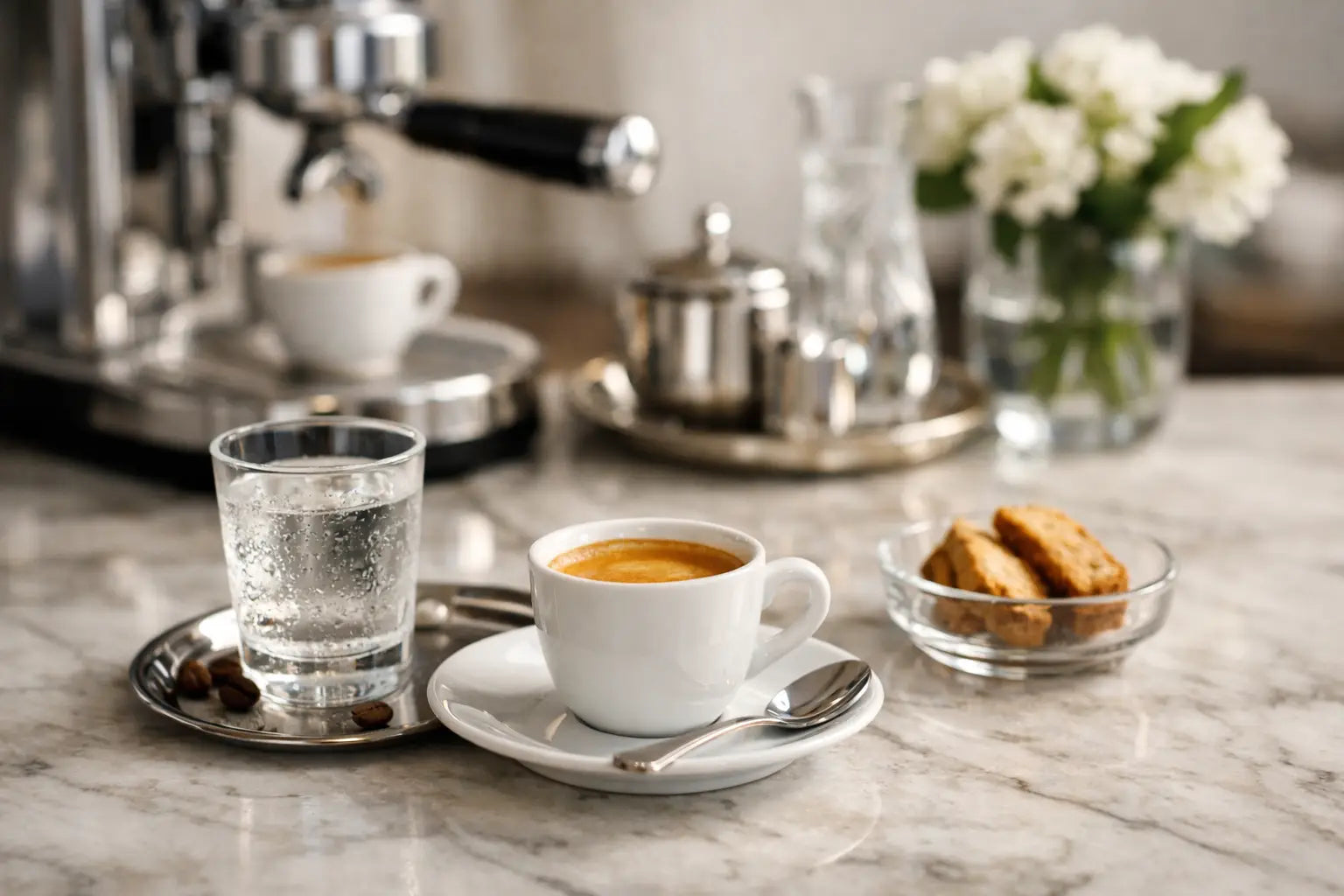
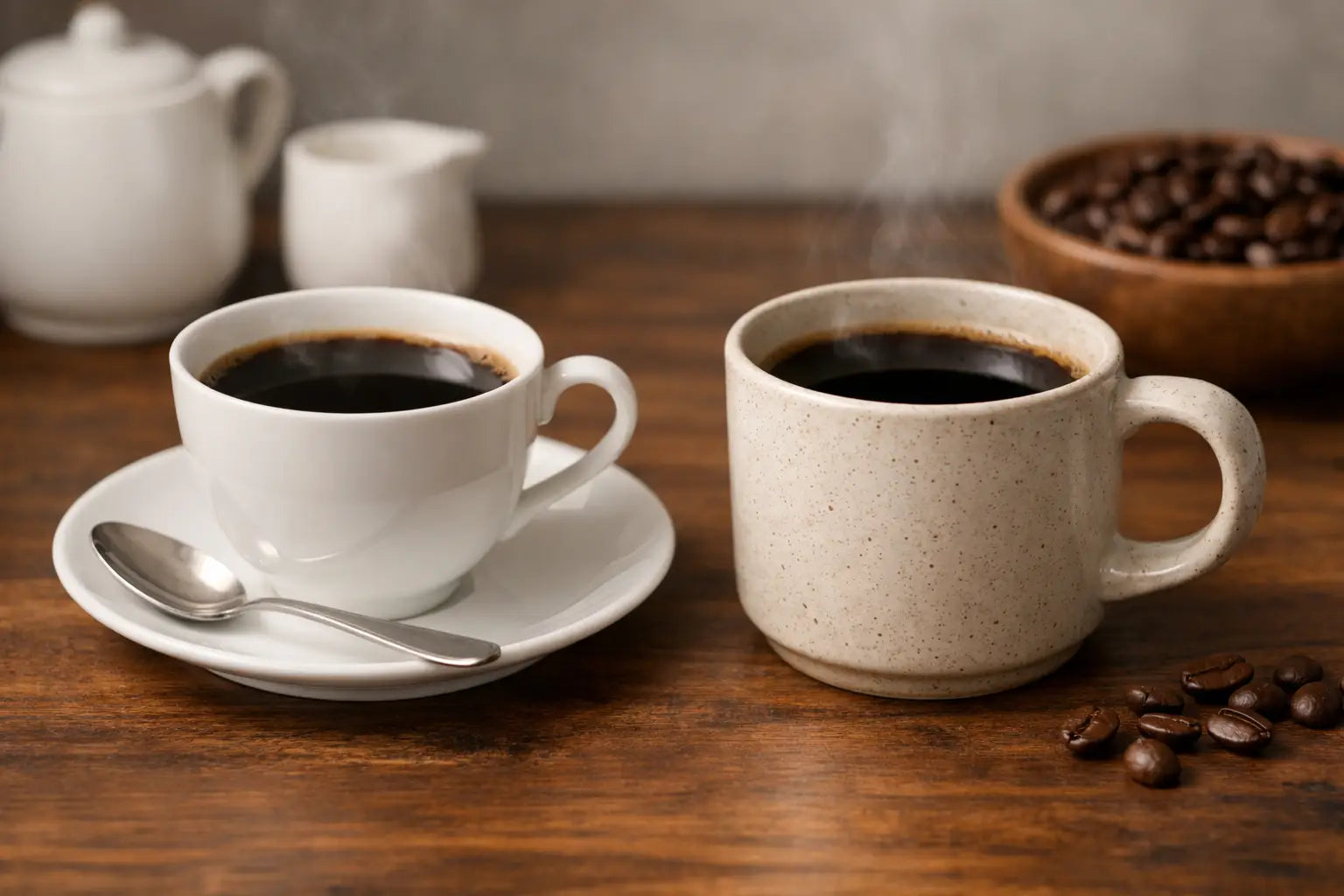
That shift matters because drinkware is never just a vessel. A coupe with the right proportion makes a cocktail feel composed before the first sip. A porcelain cappuccino cup with balanced weight and a clean silhouette changes how a morning table reads. In both homes and hospitality settings, the pieces people reach for most often are also the pieces that quietly define taste.
Why designer drinkware collections feel more elevated
The appeal starts with cohesion. When glasses and cups are designed as a collection rather than assembled one piece at a time, the table gains rhythm. Profiles relate to one another. Materials feel deliberate. Even when the forms vary by function, the collection still reads as one visual language.
That has a real effect on atmosphere. In a dining room, coordinated stemware and beverage glasses create a cleaner, more refined scene without feeling staged. In a café or restaurant, consistency across espresso service, water glasses, and cocktail presentation strengthens the guest experience in subtle but unmistakable ways. Good design removes friction. It lets the setting feel complete.
There is also a practical advantage to buying with a collection mindset. Individual statement pieces can be beautiful, but they often create gaps. The wine glass is elegant, the rocks glass feels too heavy, the coffee cups belong to another aesthetic entirely. Collections solve for that by making sure the proportions, finishes, and intended use cases work together from the start.
The design decisions that separate great collections from generic sets
Not every coordinated set qualifies as design-forward drinkware. The difference usually comes down to restraint, proportion, and material integrity.
Silhouette is often the first clue. Designer collections tend to avoid unnecessary ornament in favor of shape that feels considered. A stem that is too delicate may photograph well but frustrate daily use. A cup with beautiful geometry but an awkward handle fails where it matters most. The best collections find a balance between visual clarity and comfort in the hand.
Material is the second signal. Lead-free crystal brings brightness and crispness that instantly sharpens cocktails, wine, and sparkling pours. Porcelain, when properly finished, offers a smooth surface, clean presentation, and a satisfying sense of weight for coffee service. These are not superficial details. They influence clarity, temperature retention, durability, and how the piece performs over time.
Scale matters just as much. Oversized glasses can swallow a carefully built drink. Cups that are too small or too broad can throw off milk texture, crema retention, or simple serving balance. Great designer drinkware collections respect the ritual they are built for. They understand that proportion is part of performance.
Designer drinkware collections for the home
For home buyers, the strongest collections do two things at once. They make daily use feel better, and they make hosting look effortless.
A well-curated home setup usually starts with the pieces used most often: water glasses, wine glasses, and coffee service. From there, specialty forms like champagne flutes, coupes, or double old fashioned glasses can expand the experience without making the cabinet feel crowded. The goal is not to own every possible glass. It is to build a concise assortment that covers real habits while maintaining visual consistency.
This is where collection-based shopping becomes especially useful. If your home leans modern, sculptural, or minimal, random additions tend to stand out for the wrong reasons. A cohesive collection keeps the shelf, bar cart, and table looking edited. It also makes entertaining easier because the pieces naturally work together across casual breakfasts, dinner parties, and celebratory pours.
There is a lifestyle dimension here as well. People increasingly think about their homes through the lens of experience, not just utility. The coffee corner is styled. The bar tray is curated. Open shelving is part storage, part visual statement. Drinkware belongs in that conversation because it is used in public moments of the home - the moments guests notice and residents repeat every day.
Why hospitality buyers think in collections first
In hospitality, visual consistency is not a luxury. It is part of brand perception.
A restaurant may invest heavily in interiors, menu development, and plating, then undercut the effect with generic or inconsistent glassware. Guests notice, even if they do not name it directly. A refined beverage program needs drinkware that supports the concept, frames the pour correctly, and holds up through repeated service. The same is true for cafés, where the cup and saucer shape the drink’s first impression before aroma and taste fully arrive.
Collections make procurement more coherent. Instead of selecting isolated pieces by department or replacing stock reactively, operators can build a service program around a unified aesthetic. That creates a cleaner tabletop and simplifies reordering. It also helps staff present drinks with more confidence because each piece has a defined purpose.
Of course, hospitality buyers have to weigh durability and cost alongside design. A striking glass that chips easily or a porcelain cup that does not stack well can become expensive quickly. This is where premium collections earn their place when they combine presentation value with reliable everyday function. The strongest options do not ask buyers to choose between beauty and operational sense.
How to choose the right collection for your space
The smartest way to shop is to start with context, not trend. Ask how the pieces will live day to day.
If the primary use is home entertaining, look for versatility with enough character to feel special. Stemware should be elegant but stable. Everyday beverage glasses should feel polished without becoming fragile. Coffee service should complement the rest of the tabletop rather than read as an entirely separate style story.
If the setting is commercial, think about volume, storage, and service style. A fine dining room can support more delicate profiles than a high-turn cocktail bar. A neighborhood café may need porcelain cups that feel elevated yet durable enough for constant use. For both cases, the visual language should support the brand environment rather than compete with it.
It also helps to consider how a collection photographs and how it looks in natural light. Clear crystal with crisp lines can catch reflections beautifully on a dining table or back bar. Porcelain with a refined finish brings softness and contrast, especially when paired with wood, stone, or linen. These details matter because presentation now lives both in person and on camera.
One reason collection-led brands stand out is that they think through this full experience. Angeleno Drinkware, for example, frames glassware and coffee service not as isolated objects but as design-forward tabletop essentials shaped around modern rituals, visual coherence, and real use.
When a full collection makes sense, and when it does not
There is a case for restraint. Not every buyer needs a large matching assortment.
If your style is eclectic and intentionally layered, a full suite of coordinated drinkware may feel too uniform. In that case, one strong family of glasses paired with a contrasting coffee service can create a more personal result. Similarly, smaller households may prefer a compact edit over a complete entertaining arsenal.
Still, partial collection buying works best when the pieces share a clear design logic. The problem is rarely mixing categories. The problem is mixing without intention. A sculptural crystal glass can sit beautifully beside minimalist porcelain, but only if scale, finish, and mood are considered together.
For many buyers, the sweet spot is a core collection with selective additions. That approach preserves cohesion while leaving room for personality. It also makes replacement and expansion easier over time.
The real value of buying better drinkware
Premium drinkware is often discussed in terms of aesthetics, but the deeper value is how it shapes routine. Better pieces ask to be used. They make a quick sparkling water feel cleaner, a weeknight pour feel more composed, and a simple coffee break feel like a pause worth taking.
That is why thoughtful design has staying power. It does not rely on novelty. It improves the visual and tactile quality of moments that happen again and again.
If you are choosing drinkware for a home, a café, or a full hospitality program, the most successful pieces are rarely the loudest ones. They are the collections that bring clarity, proportion, and purpose to the table - and make every pour look like it belongs there.