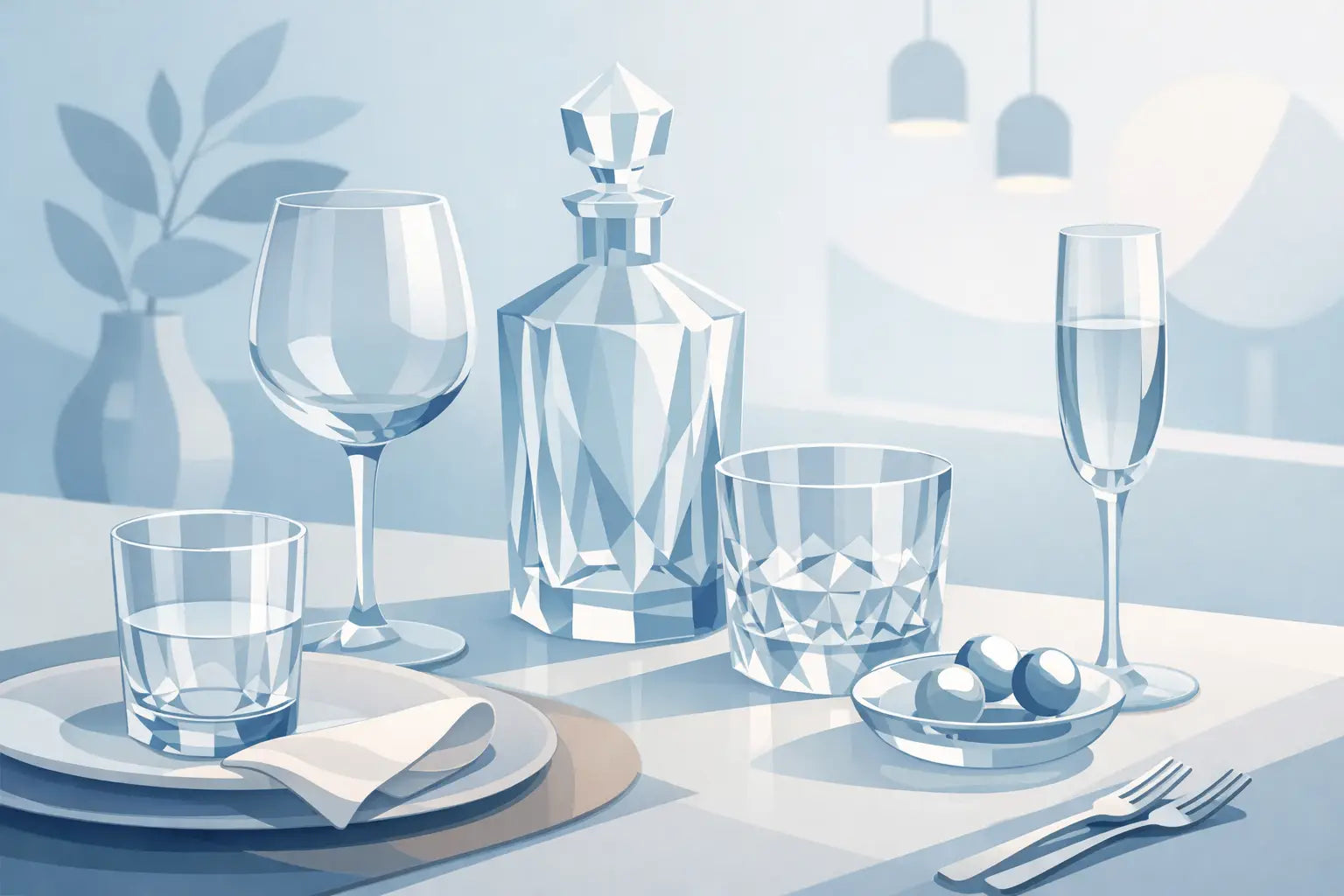
Lead Free Crystal Guide for Modern Tables
A great glass changes the way a drink arrives. The weight in the hand, the clarity at the rim, the way light moves through the bowl - these details shape the moment before the first sip. That is exactly why a lead free crystal guide matters. If you are choosing glassware for a well-styled home bar, a dining table with intention, or a hospitality setting where presentation carries real value, the material is not a small detail. It is the foundation.
Lead-free crystal sits in a sweet spot that appeals to both design-minded hosts and professional buyers. It offers the elevated look people often associate with fine crystal, but without the concerns tied to traditional lead content. For anyone building a cohesive tabletop, that balance of beauty, safety, and everyday usability makes it worth understanding.
What this lead free crystal guide actually means
The phrase crystal can be confusing because it does not always mean the same thing in every context. Traditional crystal was often made with lead oxide, which helped create brilliance, weight, and a softer material that could be cut with intricate detail. Lead-free crystal achieves a similar sense of polish and refinement by using other minerals instead of lead.
Depending on the manufacturer, those minerals may include magnesium, zinc, titanium, or barium. The result is glassware that still feels more elevated than standard soda-lime glass. It can be thinner, brighter, and more visually crisp, while also better suited to modern expectations around food-safe materials and daily use.
That distinction matters because many shoppers are not simply looking for a pretty glass. They want something that performs. They want stemware that flatters a pour of wine, cocktail glasses that hold their line through repeated use, and beverage pieces that feel curated rather than generic. Lead-free crystal answers that need with a cleaner, more contemporary proposition.
Why lead-free crystal appeals to modern buyers
For most people, the first draw is peace of mind. Lead-free crystal removes the concern many shoppers have about lead exposure, especially for glassware used regularly or for long periods of contact with beverages. That does not mean every old crystal piece is automatically unsafe in every scenario, but it does mean current buyers tend to prefer materials that align with present-day standards and habits.
The second draw is aesthetic. Good lead-free crystal has a bright, light-catching finish that feels polished without looking overly formal. It works just as well on a minimal dining table as it does on a layered bar cart. For a brand-conscious café, a cocktail program, or a home entertainer who cares about visual consistency, that versatility has real value.
Then there is practicality. Many lead-free crystal pieces are designed for frequent use. They can offer impressive clarity and a refined silhouette while still being more durable than people expect. That does not make them indestructible - thin rims and elegant stems always deserve care - but it does make them far more compatible with everyday rituals than the phrase fine crystal might suggest.
Lead-free crystal vs standard glass
A useful lead free crystal guide should be honest about trade-offs. Not every drinker needs crystal, and not every standard glass is inferior. It depends on how you serve, how often you entertain, and how much design presence you want from the piece itself.
Standard soda-lime glass is often more affordable and widely available. It can be durable, uncomplicated, and perfectly functional for casual use. But it may lack the brilliance, balance, and refined proportions that make a table or bar setup feel intentional.
Lead-free crystal tends to win on presentation. The walls can often be made thinner without feeling flimsy, which creates a more elegant drinking experience. The material usually delivers better visual clarity too, so cocktails look more jewel-toned, sparkling water appears cleaner, and wine reads with more nuance in the glass.
The trade-off is that quality lead-free crystal usually costs more. That higher price reflects both material and finish. For many buyers, especially those curating a full collection or furnishing a hospitality space, that investment makes sense because the glassware contributes directly to the overall impression.
What to look for when buying lead-free crystal
The quickest way to judge a piece is to look at its silhouette first and its claims second. Material matters, but so does proportion. A lead-free crystal glass should feel considered. The bowl, stem, base, or sidewall should have a sense of balance that supports the way the drink is served.
Clarity is another obvious marker. Well-made lead-free crystal has a clean, luminous appearance without a cloudy cast or greenish tint. When the glass catches natural or ambient light, it should look crisp rather than dull. This is one of the reasons crystal remains so compelling in restaurants and home entertaining alike - it enhances the visual experience before anyone tastes the drink.
Weight matters too, but not in the way people sometimes assume. Heavier does not automatically mean better. A well-designed rocks glass may have a substantial base that feels grounded and luxurious, while a wine glass should feel light and poised. The right weight depends on the use case.
Pay attention to the rim. A finer rim generally feels more elegant on the mouth and often signals a more elevated piece. For stemware, check the transition between bowl and stem, and between stem and foot. Those points reveal a lot about the quality of construction.
If you are buying for a business, consistency across a collection is just as important as the individual glass. The shape, height, and finish should feel cohesive. A table or back bar always looks more polished when the drinkware belongs to the same visual language.
The best use cases for lead-free crystal
Lead-free crystal shines where presentation and experience matter most. Wine service is an obvious example because bowl shape and clarity both influence perception. A well-made glass supports aroma, showcases color, and makes the pour feel more deliberate.
Cocktails are another natural fit. Martinis, negronis, old fashioneds, and champagne-based drinks all benefit from glassware that carries a little ceremony. The material gives spirit-forward drinks more visual depth, and it helps sparkling pours read with more energy.
It also performs beautifully for elevated everyday use. Water glasses, iced tea glasses, and stemless beverage pieces in lead-free crystal can bring a quiet sense of refinement to a weekday dinner. That may sound like a small luxury, but it is often the small luxuries that change how a home feels.
For hospitality settings, the benefit is even more strategic. Guests notice glassware, even when they cannot articulate why. A thoughtfully chosen lead-free crystal collection can sharpen brand perception, frame each beverage more attractively, and make service feel more composed.
Caring for lead-free crystal without losing the finish
The best glassware is made to be used, not admired from a cabinet. Still, care matters. Lead-free crystal is durable for its category, but durability is not the same as carelessness.
Hand washing is often the safest route for finer stemware and specialty cocktail glasses, especially if the rims are thin or the silhouettes are more sculptural. Use warm water, mild soap, and a soft cloth. Avoid stacking pieces that were not designed for it.
Some lead-free crystal is dishwasher safe, and for busy households or hospitality operations, that can be a meaningful advantage. Even then, it is worth checking the maker's guidance. Dishwasher-safe does not mean immune to crowding, chipping, or residue from hard water. If brilliance is part of the appeal, proper drying and thoughtful storage help preserve it.
A final practical note: store stemware where it will not knock against neighboring pieces. Crystal has visual lightness, but that elegance depends on keeping edges and rims clean and intact.
A lead free crystal guide for style-conscious tables
The best reason to choose lead-free crystal is not just that it avoids lead. It is that it offers a more complete answer to how people live and entertain now. It supports design, daily use, and a more polished drinking ritual without feeling trapped in old ideas of formal occasion-only glassware.
For some buyers, that means building a matching set for wine, cocktails, and sparkling pours. For others, it means selecting a few key silhouettes that bring more intention to the table. Either way, the goal is the same: glassware that looks considered, feels exceptional in the hand, and elevates the experience without asking for constant compromise.
That is where a well-designed collection earns its place. Brands like Angeleno Drinkware understand that material quality is only part of the story. The full experience comes from how clarity, shape, balance, and presentation work together. Choose pieces that make the ritual feel better, and you will notice the difference every time the glasses come out.