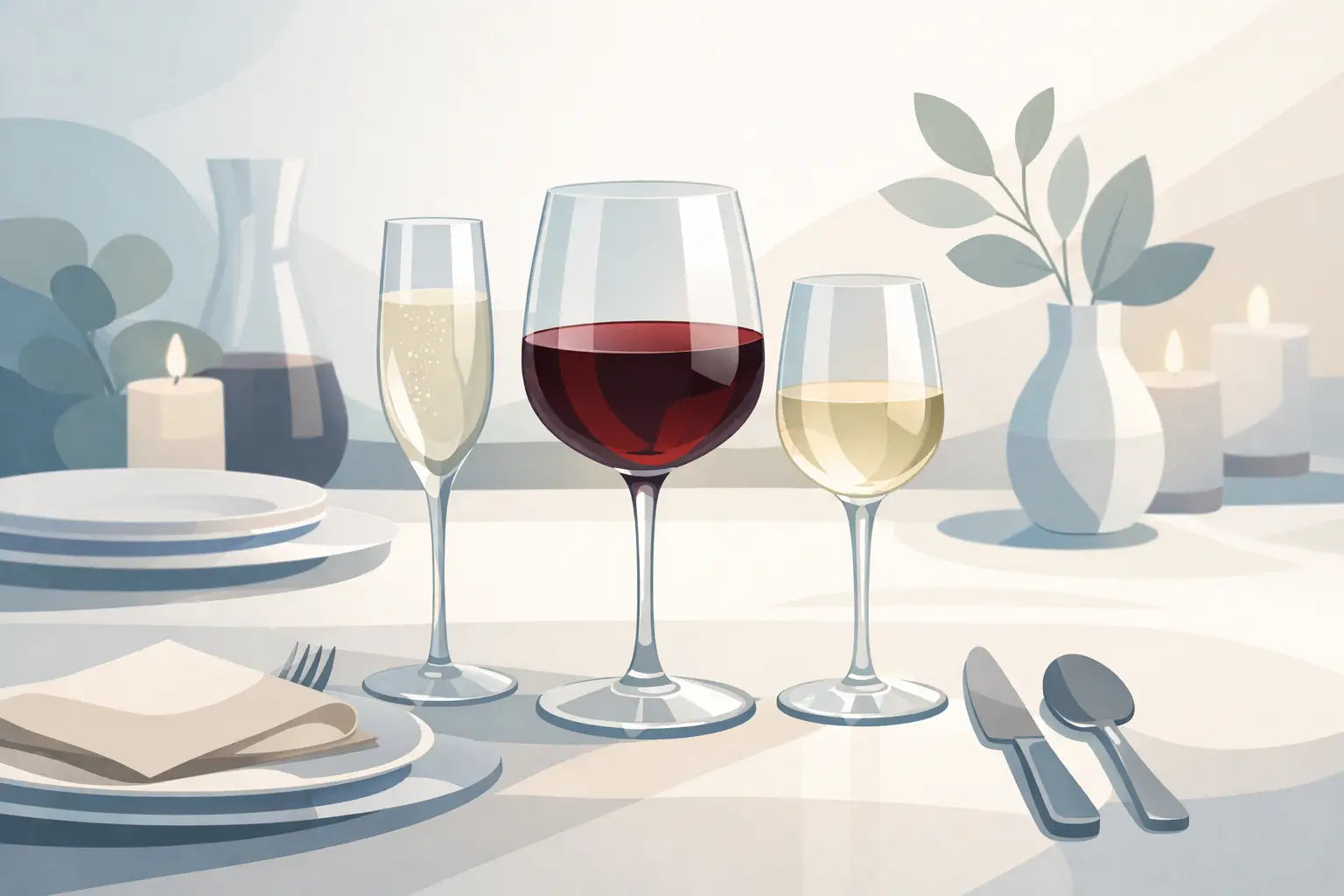
Choosing Champagne Glasses for Celebrations
A bottle pops, the room shifts, and suddenly the glass in your hand matters more than most people expect. The right champagne glasses for celebrations do more than hold sparkling wine - they shape aroma, preserve effervescence, and set the visual tone for the entire table. For hosts, gift buyers, and hospitality teams alike, that makes glass selection part of the experience, not an afterthought.
Why champagne glasses for celebrations make such a difference
Sparkling wine is uniquely sensitive to shape. A bowl that is too wide can let carbonation disappear quickly, while a rim that is too narrow can mute aroma and make each sip feel restrained. Good champagne glassware strikes a careful balance between lift, fragrance, and comfort in the hand.
There is also the question of presentation. Celebratory drinks are inherently visual. Fine bubbles rising through clear crystal, a well-proportioned stem, and a silhouette that complements the rest of the table all contribute to a more intentional atmosphere. Whether you are hosting a holiday dinner or serving a welcome pour in a dining room, glassware becomes part of the ritual.
This is where premium design earns its place. A thoughtfully made glass should feel refined without being fragile in spirit. It should photograph beautifully, sit comfortably in a curated place setting, and still perform when the evening stretches longer than planned.
The three main styles and what each one does best
When people shop for champagne glasses, they often start with aesthetics. That makes sense, but performance should lead the decision.
Flutes
The classic flute remains popular for a reason. Its narrow bowl helps preserve bubbles and creates that unmistakable vertical stream of effervescence. It feels festive, formal, and instantly recognizable, which is why so many hosts reach for it during weddings, anniversaries, and New Year gatherings.
Still, flutes have trade-offs. They emphasize sparkle more than aroma, so they can be less expressive for complex Champagne or sparkling wines with layered notes. If your priority is visual drama and a crisp celebratory feel, the flute works beautifully. If your priority is tasting nuance, you may want something more open.
Tulip glasses
For many modern tables, the tulip glass is the sweet spot. It offers a slightly broader body that allows aromas to develop, then narrows gently at the rim to preserve freshness and direct the bouquet. The result feels more balanced - lively enough for a toast, but sophisticated enough for serious sparkling wine service.
Design-minded hosts often prefer this silhouette because it looks contemporary without losing elegance. It also adapts well across occasions, from intimate dinners to larger celebrations where you want one glass that feels versatile and polished.
Coupes
The coupe has undeniable charm. It brings a vintage glamour that suits tower pours, cocktail service, and celebrations with a more theatrical sensibility. On the right table, a coupe can be stunning.
But coupes are not the strongest performers for sparkling wine. Their broad, shallow bowl encourages bubbles to dissipate quickly, and aromas disperse fast as well. That does not make them wrong - only specific. If the moment is about style, nostalgia, or serving sparkling cocktails, the coupe can be perfect. If the goal is preserving the wine at its best, it is rarely the first choice.
What to look for in quality champagne glasses for celebrations
Material is the first signal. Lead-free crystal is often preferred because it offers brilliance, clarity, and a finer rim than standard glass. That finer edge changes the drinking experience in subtle but noticeable ways. The sip feels cleaner, lighter, and more precise.
Balance matters just as much. A beautiful glass that feels top-heavy or awkward to hold becomes tiring over the course of an evening. The best pieces have a stable foot, a stem that feels graceful but secure, and a bowl proportioned to the hand as well as the eye.
Clarity is another detail worth paying attention to. Sparkling wine is one of the few drinks where visual texture is part of the pleasure. Tiny bubbles, pale gold tones, and the way light moves through the glass all become more pronounced in well-made crystal.
Then there is durability. Home entertainers may want a more delicate profile for special occasions, while restaurants and event spaces often need a glass that delivers elegance without creating constant replacement costs. That is where design and utility need to meet. A premium silhouette should still be suited to real service.
Matching the glass to the kind of celebration
Not every event asks for the same mood. A formal dinner party benefits from stemware that feels architectural and restrained. Clean lines, a polished profile, and cohesive proportions create a table that reads elevated without trying too hard.
For casual celebrations at home, versatility can matter more. If you host often but do not want separate glasses for every sparkling pour, a tulip-style shape offers range. It feels special enough for champagne, yet relaxed enough for prosecco, cava, or even a spritz served with intention.
For weddings, showers, and milestone events, consistency is key. Even if guests do not consciously notice matching stemware, they feel the difference when every place setting shares the same visual language. Cohesive glassware photographs better, supports the floral and table design, and makes the event feel more composed.
In hospitality settings, the choice becomes even more strategic. Champagne service is often one of the first visual impressions a guest receives. A refined glass can strengthen the perception of quality before the first sip even reaches the palate.
Design details that elevate the table
Silhouette is only the beginning. The way a champagne glass interacts with the rest of your tabletop matters. If your dinnerware is minimal and modern, overly ornate stemware can feel disconnected. If your setting leans romantic or classic, an ultra-severe shape may read cold.
This is where collection-based buying makes sense. When stemware shares a design language with your wine glasses, cocktail glasses, or coffee service, the entire environment feels more considered. It is the difference between assembling a table and curating one.
Scale matters too. Oversized glasses can overwhelm a smaller dining table or apartment setting, while very petite glasses may feel underwhelming at a larger event. The right proportion supports the room, the menu, and the style of service.
For a design-forward brand like Angeleno Drinkware, that balance of modern geometry and practical elegance is exactly where champagne glassware becomes most compelling. It should feel aspirational on the table, but never too precious to use.
How many glasses you actually need
For most homes, a set of six or eight is a strong starting point. Six suits intimate dinners and smaller celebrations. Eight gives you more flexibility for holidays, birthdays, and last-minute guests without pushing storage too hard.
If you entertain frequently, twelve can make more sense, especially if sparkling wine appears regularly at brunches, dinner parties, or seasonal gatherings. For hospitality buyers, the calculation shifts toward service flow, breakage replacement, and event volume. In that context, style has to work hand in hand with restocking practicality.
There is no single correct number. The better question is how you like to host. Buy for your real rituals, not an imagined one.
Care, storage, and keeping them celebration-ready
Champagne glasses reward a little attention. Hand washing is often the safest choice for preserving brilliance and avoiding rim damage, especially with finer crystal. Use a gentle cloth, hold the bowl and base carefully, and avoid twisting the stem during drying.
Storage should protect both shape and finish. If space allows, standing glasses upright is usually best. Crowding them into a cabinet may save room, but it also increases the chance of chips and dullness over time.
Before guests arrive, polish with a lint-free cloth to remove water spots and fingerprints. It takes only a minute, but the result is immediate. Sparkling wine always looks better in a glass that catches light cleanly.
A celebration begins before the toast. It starts in the details you choose to put on the table, and few details feel as quietly transformative as the right glass - one that holds the bubbles beautifully, complements the setting, and makes the moment feel worthy of being remembered.