Modern Drinkware Trends for Home Entertaining
A dinner table can be beautifully set and still feel unfinished when the glassware is an afterthought. The right vessel changes the posture of a gathering: a coupe makes a welcome cocktail feel considered, a generous wine glass gives even a simple weeknight pour more presence, and a porcelain cup turns coffee after dessert into a final, memorable course. That is the real appeal of modern drinkware trends for home entertaining. They are less about chasing novelty and more about choosing pieces that make hospitality feel intentional.
For hosts who care about interiors, menus, and atmosphere, drinkware now carries as much visual weight as serving platters or lighting. The current direction favors expressive silhouettes, cohesive collections, and materials that perform beautifully without feeling precious. Here is what is shaping the modern table - and how to bring those ideas home in a way that still works for your actual guests.
Modern Drinkware Trends for Home Entertaining
Sculptural silhouettes with a purpose
Drinkware is becoming more architectural. Think fine stems, softly angled bowls, tapered highballs, and low tumblers with a substantial base. These shapes photograph well, certainly, but their value goes beyond the visual. A thoughtfully proportioned cocktail glass frames the color and garnish of a drink. A wine glass with a generous bowl gives aroma space to develop. A weighted rocks glass feels balanced in the hand when serving an old fashioned or a zero-proof drink over one large cube.
The most successful sculptural pieces have restraint. They might feature crisp modern geometry or a subtly flared rim, rather than elaborate ornament. This makes them feel current while leaving room for the food, florals, and people at the table to share the scene.
There is a practical trade-off. Highly unconventional shapes can be harder to store, wash, or replace over time. If you entertain often, build your core around silhouettes that are distinctive but easy to use. Let one or two more expressive pieces, such as coupes for aperitifs or stemmed cocktail glasses for celebrations, provide the visual punctuation.
Clear glass, elevated by proportion
Colorful glassware still has a place, especially for outdoor lunches and festive holiday tables. Yet clear glass remains the most versatile choice for design-minded hosts. It allows the drink itself to become part of the palette: a ruby spritz, a pale pét-nat, espresso with a tawny crema, sparkling water with citrus.
What distinguishes a contemporary clear-glass collection is proportion. Fine rims create a more polished sipping experience, while balanced stems and clean bowl profiles bring a restaurant-level sense of occasion to the table. Lead-free crystal is particularly compelling for entertaining because it offers clarity and brilliance without making every gathering feel like a special-occasion-only event.
A unified clear-glass collection also solves a common hosting challenge. You can set wine, champagne, cocktails, and water together without competing colors or patterns. The result looks curated rather than matched too perfectly, particularly when the vessels vary in height and silhouette within the same design language.
The return of the complete drink ritual
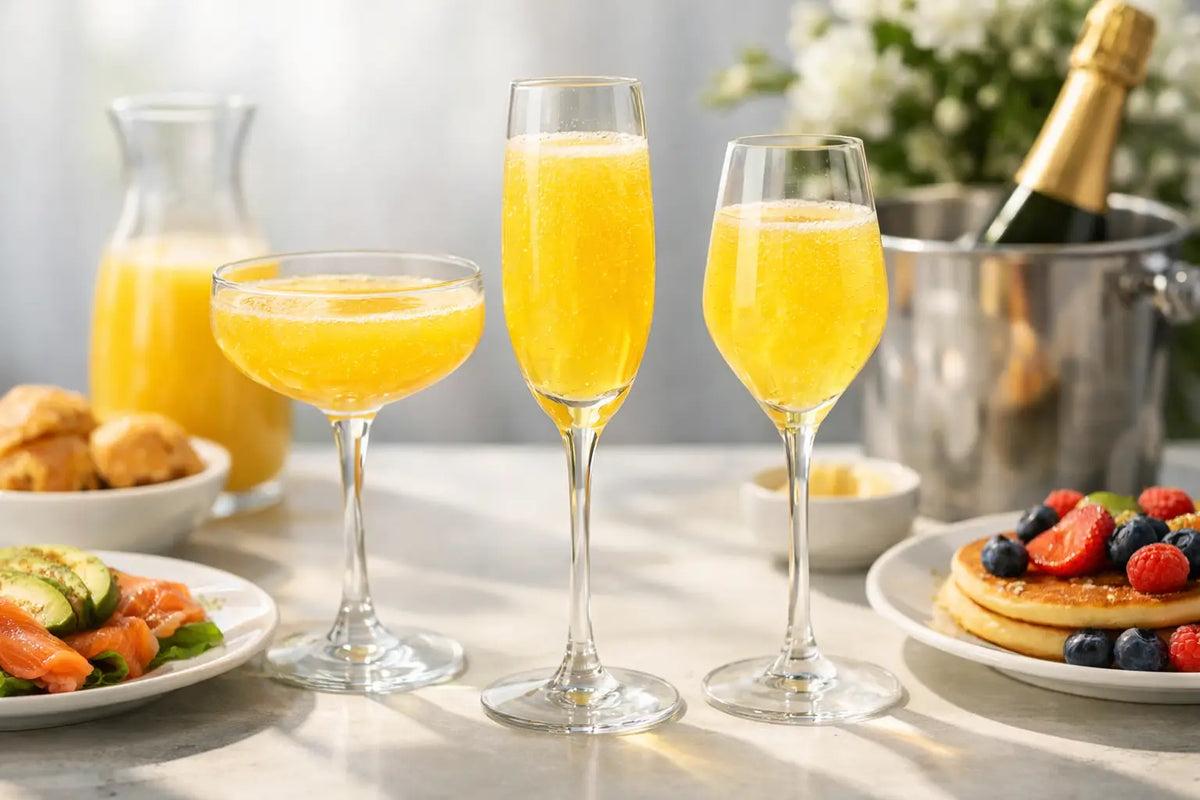
Home entertaining is moving beyond the idea that one all-purpose glass should handle every pour. Versatile glasses remain useful, especially in smaller spaces, but hosts are increasingly creating a sequence: sparkling wine to begin, a proper wine glass with dinner, a low tumbler for an after-dinner cocktail, and espresso or cappuccino served in a cup and saucer.
This does not require a crowded cabinet. It means choosing a few categories that support the way you actually host. A couple who regularly makes pasta for friends may prioritize red wine glasses and espresso cups. Someone known for rooftop happy hours may get more use from highballs, coupes, and beverage glasses. The goal is not formality for its own sake. It is giving each moment its own vessel and, with it, a little more attention.
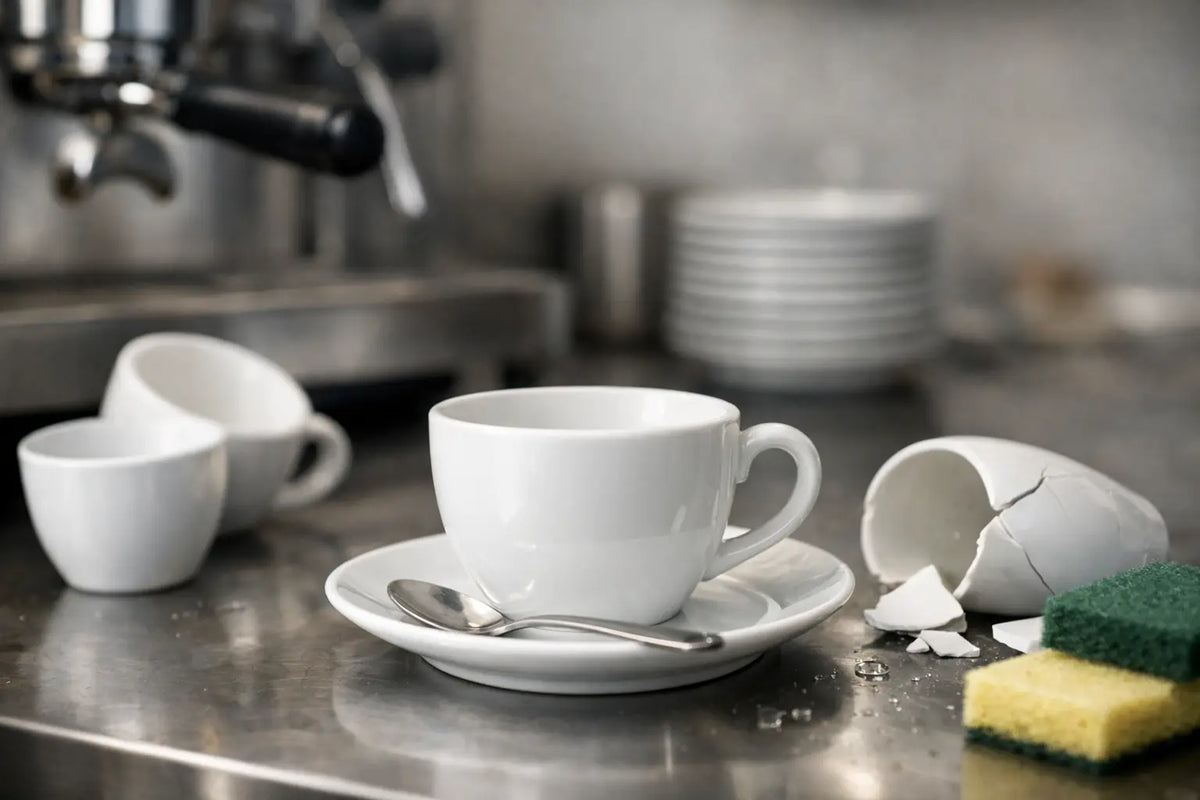
Coffee service is especially worth reconsidering. The rise of café culture at home has made porcelain espresso and cappuccino cups feel newly relevant. A matching saucer provides a natural place for a biscotti, lemon twist, or spoon, and it makes a simple coffee course feel composed. Porcelain also retains heat well, which matters when conversation stretches longer than expected.
Collections Over Random Assortments
One of the strongest modern drinkware trends is the move toward collection-based buying. Rather than accumulating unrelated glasses over years, hosts are choosing families of pieces that work together across occasions. This approach creates a recognizable table identity without requiring everything to be identical.
A well-designed collection might pair stemmed wine glasses with champagne flutes, cocktail coupes, and everyday beverage glasses that share a related profile. Add a porcelain coffee service in a complementary neutral tone, and the transition from cocktails to coffee feels natural. The table has continuity, even when the menu changes.
For apartment dwellers, this matters even more. Storage is finite, so every piece should earn its shelf space. Start with glasses that cover your most frequent needs, then layer in specialty shapes as your entertaining style develops. Six to eight matching pieces per category is often more useful than owning a large mix of four different patterns.
Angeleno Drinkware approaches this idea through curated glassware and coffee-service collections, allowing the table to feel polished from the first chilled pour through the last espresso.
Tactility is replacing excessive decoration
The modern table is not sterile. While glassware trends lean clean and refined, they also favor tactile contrast. The glossy clarity of crystal beside matte linen, the smooth surface of porcelain against a textured ceramic plate, and the cool weight of a tumbler in the hand all create dimension.
This is why restrained drinkware works so well with more expressive tablescapes. If your dinnerware has a hand-finished glaze or your napkins bring color, clear lead-free crystal gives the setting a visual pause. If your table is minimalist, a sculptural coupe or a porcelain cup with a distinctive profile can supply the necessary warmth and interest.
The key is to avoid making every element compete. Choose one material or silhouette to lead. Let the rest support it. A table built around polished glass can carry brighter produce and bolder flowers; a table built around richly colored glass may call for simpler linens and plates.
Everyday durability, without a casual look
The old divide between display-only glassware and everyday basics is fading. People want pieces that feel elevated on a Saturday night but are practical enough for a Tuesday dinner. That expectation has pushed durability, comfort, and easy maintenance into the design conversation.
For glassware, look for pieces that feel stable when placed on a crowded table and comfortable when held for a full conversation. For coffee cups, consider a handle that is easy to grasp and a saucer that provides a secure landing place. These details may seem small, but they affect whether a beautiful object becomes part of your routine or stays in the cabinet.
Durability does not mean every glass needs to be thick. Fine-looking drinkware can still be made for regular use when it is thoughtfully designed and treated with sensible care. The better question is whether the piece suits your home. A host with young children, a lively patio, or frequent large gatherings may favor a slightly more substantial glass than someone styling intimate dinner parties for four.
How to Set a Current, Personal Bar Cart
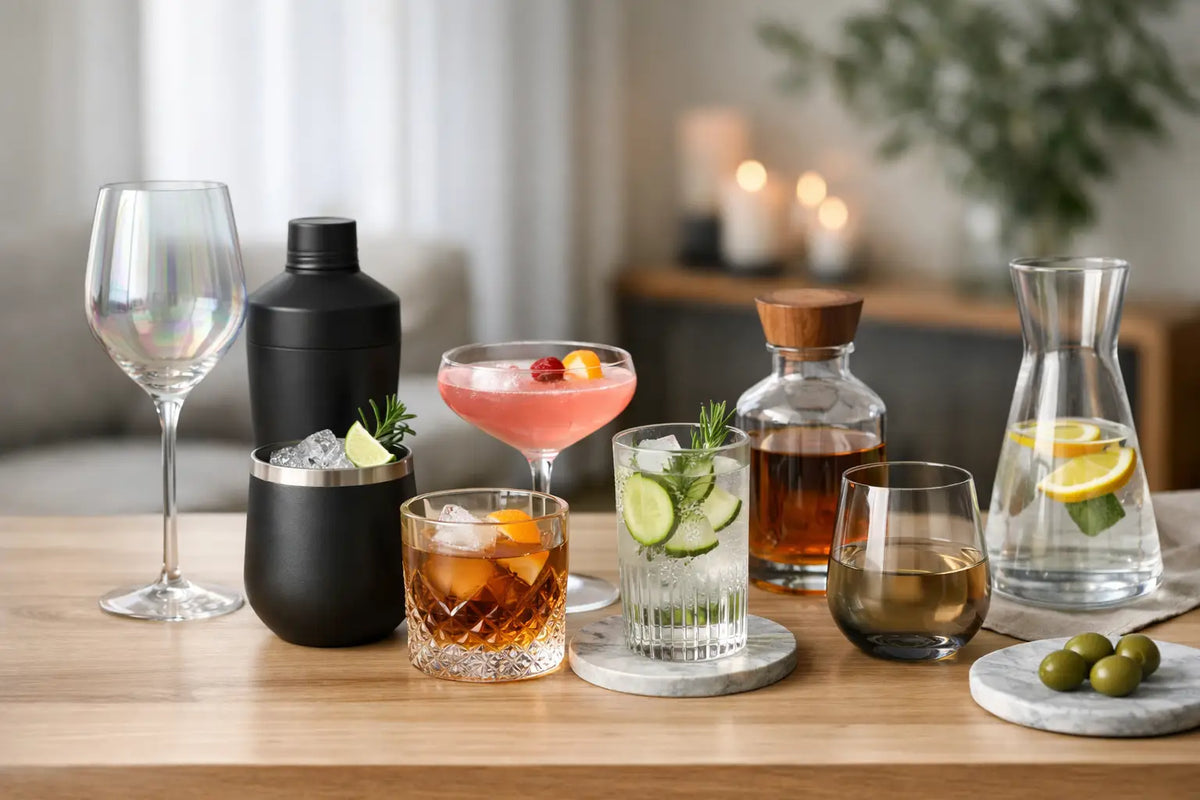
A modern bar cart does not need dozens of bottles or a collection of novelty accessories. It needs visual clarity and a few highly useful vessels. Keep your everyday spirits and preferred nonalcoholic options within reach, then use your drinkware to establish the mood. A pair of coupes signals celebration. Tall beverage glasses suggest spritzes, iced tea, or sparkling water. Low tumblers invite a slower, spirit-forward pour.
For a more generous hosting setup, arrange glasses by occasion rather than squeezing every style into one display. Keep wine and water glasses near the dining area, place cocktail pieces near your bar tools, and reserve cups and saucers for the coffee station. This makes service easier and lets each space feel purposeful.
Do not overlook scale. Oversized bar carts can overwhelm a compact home, while too many small accessories can make even a large cart feel cluttered. A few exceptional pieces with breathing room nearly always look more sophisticated than a crowded collection.
Color is an accent, not a rule
There is no requirement to avoid color. Amber, smoke, cobalt, and soft green glass can create a memorable table, particularly in warm weather or for a themed celebration. But color works best when it supports the atmosphere rather than dictates it.
If you love colored glassware, consider using it for water or aperitifs while keeping wine glasses clear. This preserves the visual expression of the wine and gives your tablescape a point of contrast. Alternatively, use one colored vessel per place setting and repeat the hue in a candle, floral stem, or menu card. The effect feels composed instead of costume-like.
Choose Pieces That Invite People to Stay
The best drinkware trend is ultimately the one that supports the way you gather. A refined glass should not make guests nervous to use it. A porcelain cup should feel as good in the hand during a quiet morning as it does when serving coffee to six. When form, material, and proportion are considered together, drinkware becomes part of the hospitality itself.
Build slowly, choose collections with a clear point of view, and leave space for the rituals you want to repeat. The glass you reach for is not merely a finishing detail. It is an invitation to pour something worth lingering over.