Can Porcelain Cups Retain Heat? What to Expect
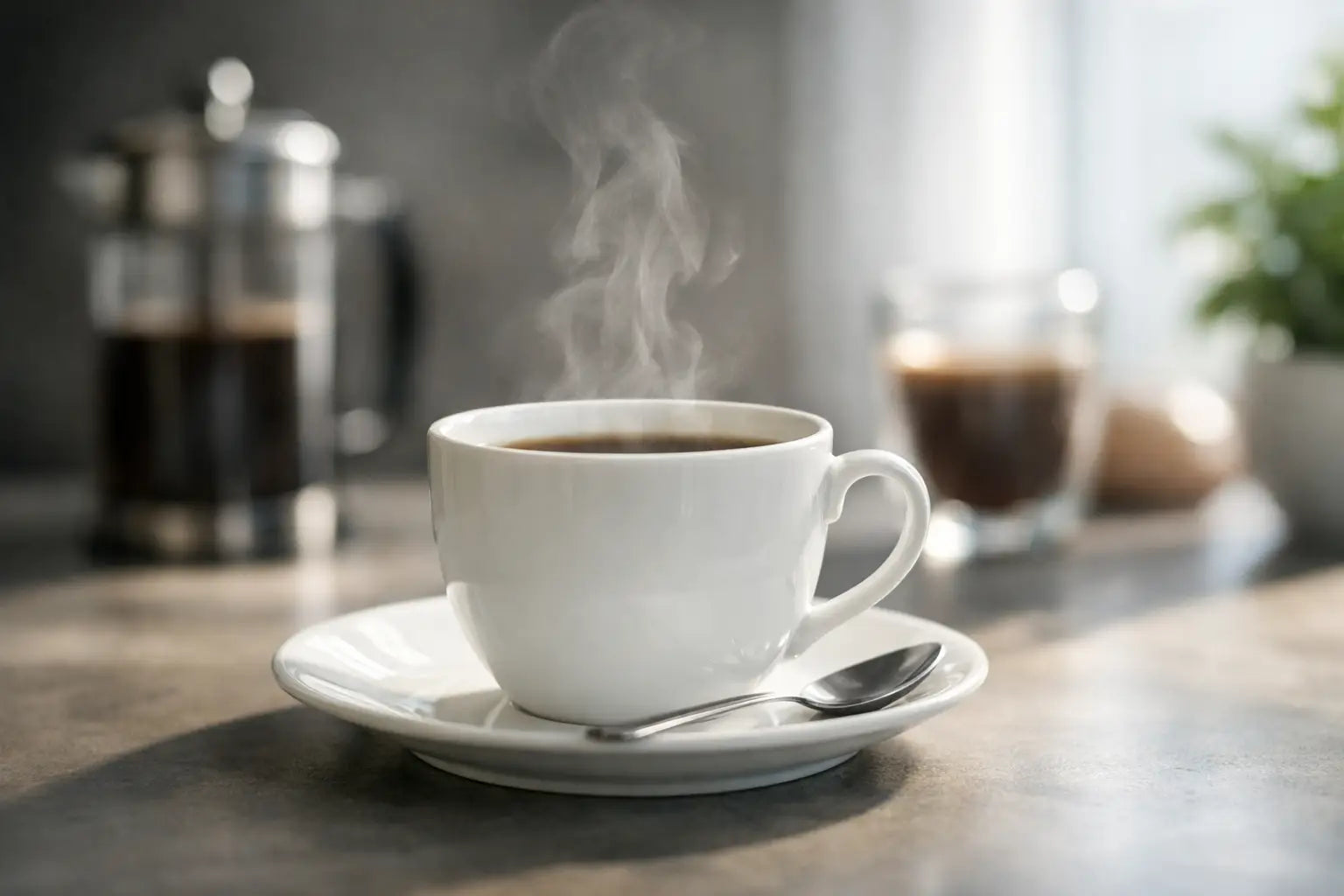
A cappuccino can look beautifully composed at the pass and still lose its appeal if it reaches the table in a cold cup. So, can porcelain cups retain heat? Yes. Porcelain is an excellent material for serving hot coffee, espresso, tea, and chocolate because it absorbs and releases heat at a measured pace, helping a drink feel warm and composed through the first few satisfying minutes.
That said, no cup can suspend time. Porcelain does not insulate in the way a double-wall travel tumbler does. Its advantage is more refined: when thoughtfully designed, properly warmed, and paired with the right drink, a porcelain cup preserves a better serving experience without compromising the tactile pleasure of a traditional coffee service.
Can Porcelain Cups Retain Heat Better Than Glass?
In most everyday coffee settings, porcelain holds heat more effectively than standard single-wall glass. Glass can be visually striking, especially for layered lattes and colorful beverages, but it generally allows heat to move quickly from the drink through the vessel and into the surrounding air. Porcelain's ceramic body slows that transfer, particularly when the cup has enough material weight and has been preheated.
Porcelain is fired at very high temperatures, creating a dense, low-porosity ceramic. This density gives it a smooth finish, a refined feel, and dependable performance at the table. Once warmed, the cup itself becomes a gentle reservoir of heat rather than an immediate cold surface that pulls warmth from a fresh pour.
The difference is most noticeable with espresso. A small volume of espresso cools quickly, and a room-temperature cup can lower its temperature almost immediately. A warm porcelain demitasse helps protect the crema, aroma, and rounded texture that make a well-pulled shot feel complete.
Why Porcelain Performs So Well for Hot Drinks
Heat retention is not only about the material. It is about the relationship between the material, the cup's proportions, and the ritual around it. Porcelain works especially well because it balances thermal performance with a thin, elegant drinking edge and a polished presentation.
Thermal mass creates a steadier pour
A porcelain cup with a moderately substantial body has more thermal mass than a very thin vessel. In simple terms, it takes more energy to warm the cup, but once it is warm, it does not immediately rob heat from the beverage. This is why the first step in a café-quality coffee service is often to warm the cup before the drink is prepared.
Thicker porcelain can retain warmth longer, but there is a design trade-off. A cup that is excessively thick may feel heavy in the hand and can make the rim feel less graceful. The most considered coffee cups find the middle ground: enough material to support temperature and durability, with a silhouette that still feels refined and comfortable.
A compact shape protects temperature
Wide, open cups expose more liquid to the air. That can be desirable for certain drinks where aroma and presentation take center stage, but it also means faster cooling. Narrower cups with a smaller surface opening tend to hold heat longer because less of the drink is exposed.
This is one reason espresso cups are compact. Their scale is not merely aesthetic. It supports temperature, crema, and concentration. Cappuccino cups are naturally more open to accommodate milk foam and latte art, so a porcelain body and a warmed saucer become even more valuable to the experience.
The handle and saucer matter, too
A well-proportioned handle keeps fingers comfortably away from the cup's hottest surfaces. It also reduces the need to cradle the vessel with both hands, which can interrupt a polished service setting. The saucer adds more than visual ceremony: it creates a stable landing place, catches drips, and helps the cup arrive as a complete, intentional presentation.
For cafés and restaurants, matching cups and saucers create consistency across the table. At home, they turn a weekday coffee into a small but meaningful pause.
Preheating Makes the Biggest Difference
If there is one habit that noticeably improves how long a hot drink stays enjoyable in porcelain, it is preheating. Even premium porcelain begins at room temperature. When hot coffee meets a cold cup, some of the drink's heat immediately transfers into the ceramic.
Preheat cups by filling them with hot water for about 30 seconds, then emptying and drying them just before pouring. An espresso machine's cup warmer is ideal in a professional setting, while hot tap water or water from a kettle works well at home. The goal is not to make the cup scorching hot. It is simply to remove the temperature shock between the beverage and the vessel.
This small step is particularly worthwhile for espresso, cortados, flat whites, and smaller cappuccinos. With a large mug of drip coffee, the effect is still helpful, though the greater volume of liquid has more heat to begin with.
Porcelain Cups and Double-Wall Mugs Serve Different Purposes
Double-wall glass and insulated stainless steel are designed for maximum temperature retention. If the priority is taking coffee on a commute, working through a long meeting, or sipping slowly outdoors, those materials may be the more practical choice.
Porcelain is designed for the moment of service. It is ideal when the drink will be enjoyed within a natural window, usually before a freshly made coffee has had time to lose its character anyway. Its appeal is both functional and sensory: the warmth of the cup in the hand, the clean sound of a spoon on a saucer, the visual calm of a coordinated tabletop.
For hospitality teams, this distinction matters. A stainless tumbler promises endurance. A porcelain cup signals care, craft, and an invitation to stay present with the drink. Neither is universally better. The right vessel depends on whether the occasion calls for portability or a more curated experience.
How Cup Size Affects Heat Retention
A cup should match the drink it serves. Oversizing is one of the quickest ways to make a hot beverage feel underwhelming. When a single espresso is poured into a large mug, it spreads across a broad surface, cools rapidly, and loses visual presence. A properly sized porcelain cup keeps the drink concentrated and gives the serving a sense of proportion.
For espresso, choose a compact cup that leaves room for crema. For a cappuccino, use a bowl-shaped cup that supports both foam and aroma without leaving the drink exposed in an oversized vessel. For Americanos and filter coffee, a slightly taller porcelain mug can offer a comfortable balance of capacity and warmth.
The Wilshire porcelain coffee service from Angeleno Drinkware reflects this principle with espresso and cappuccino proportions designed for a more considered coffee ritual. A matched silhouette makes the table look resolved, but it also supports the way each drink is meant to be enjoyed.
Care Habits That Protect Performance
Porcelain is durable enough for daily use, but its performance and finish benefit from thoughtful handling. Avoid extreme temperature swings, such as moving a cup directly from a very cold environment into boiling water. While quality porcelain is made for hot beverages, sudden changes can place unnecessary stress on any ceramic piece.
Keep cups clean and free of coffee oils, which can dull the bright visual appeal of white porcelain over time. If cups are stored in open shelving, warming them before service becomes even more worthwhile during cooler months. In a busy café, stacking cups near the machine or using a cup warmer creates a more consistent result from drink to drink.
The Better Question Is How You Want Coffee to Feel
Porcelain cups retain enough heat to make a genuine difference, especially when they are preheated and sized for the beverage being served. But their real value is not measured only in minutes. It is felt in the way a drink arrives with warmth, balance, and a sense of occasion.
Set out the saucer, warm the cup, and pour with intention. The coffee may not stay hot forever, but the ritual can stay with you long after the last sip.