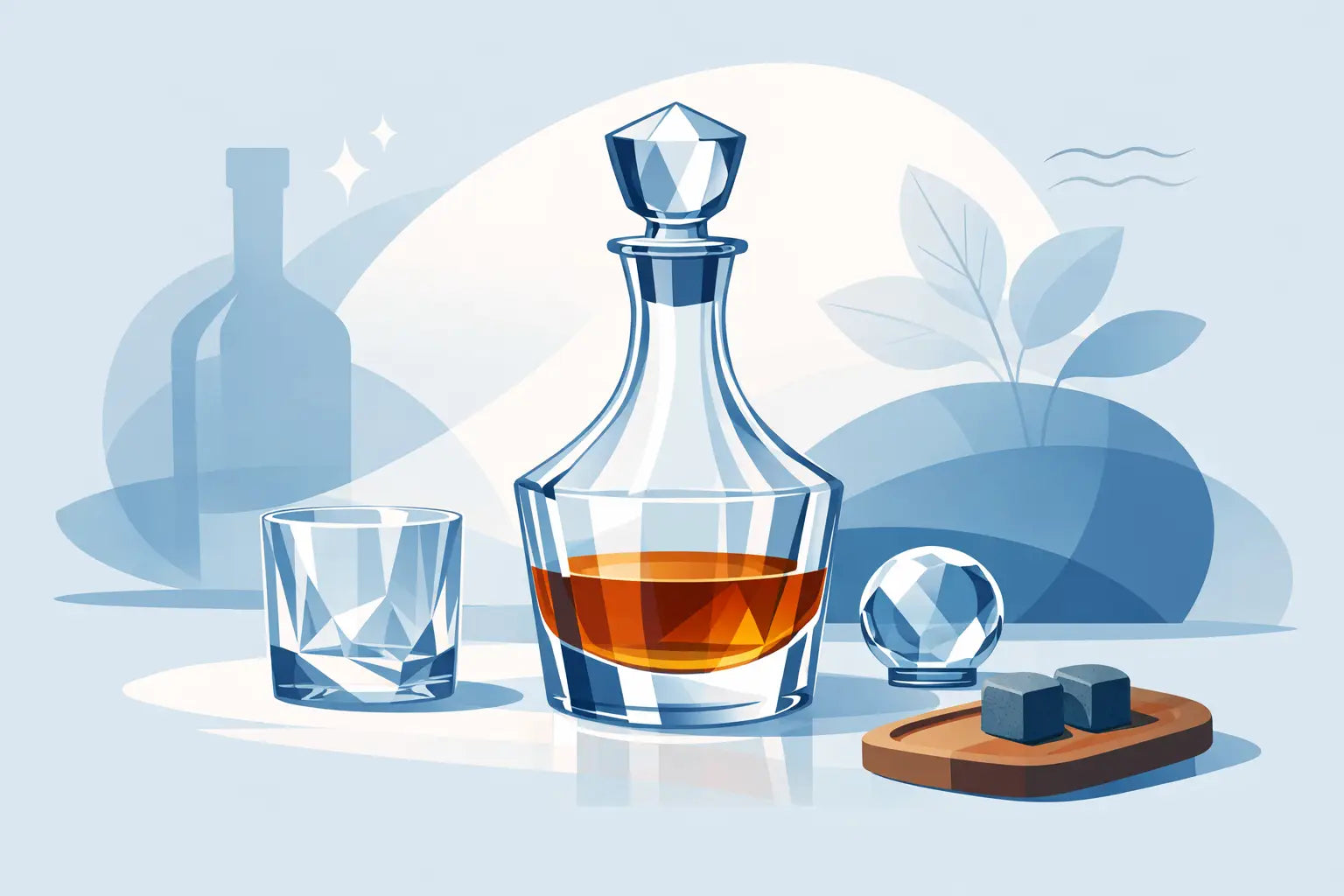
Best Glasses for Cocktails That Serve Well
A martini poured into a heavy tumbler loses its tension before the first sip. The drink may be technically the same, but the experience is not. Choosing the best glasses for cocktails is less about bar trivia and more about how shape, weight, temperature, and presentation work together at the table.
Good glassware does two jobs at once. It supports the mechanics of the drink - dilution, aroma, carbonation, ice format, garnish placement - and it sets the visual tone. For home entertaining, that means a more considered pour. For hospitality settings, it means every drink arrives with a stronger point of view.
What makes the best glasses for cocktails
The right cocktail glass starts with proportion. A vessel should suit the volume of the drink, including ice and garnish, without looking underfilled or crowded. That sounds simple, but it is where many setups fall short. Oversized glasses can make a well-built cocktail feel visually thin, while a glass that is too small leaves no room for expression.
Material matters just as much. Clear, lead-free crystal or high-quality glass tends to offer a brighter, more polished presentation than thicker, lower-grade alternatives. It also affects hand feel. A refined rim changes how a drink lands on the palate, while balanced weight gives the glass a sense of intention rather than bulk.
Then there is silhouette. A coupe creates a different mood than a double old fashioned glass, even before the drink is poured. One feels composed and celebratory. The other feels grounded and architectural. Neither is better in every case. The best choice depends on the cocktail style and the atmosphere you want to create.
The core cocktail glasses worth owning
If you want a versatile, design-forward bar setup, you do not need an endless cabinet of specialty stems. You need a small group of glasses that cover the major categories well.
Coupe glasses
A coupe is one of the most useful choices for served-up cocktails - drinks shaken or stirred, then strained and served without ice. Think daiquiris, sidecars, gimlets, and many modern classics. The broad bowl gives aromatics space to open, and the stem helps keep the drink cool by moving your hand away from the bowl.
Design-wise, coupes bring a polished presence to the table. They feel celebratory without becoming overly formal. Compared with a traditional V-shaped martini glass, they are often easier to carry and less prone to sloshing, which makes them especially appealing for dinner parties or restaurant service.
Martini glasses
There is still a place for the martini glass, particularly when you want a sharper, more iconic presentation. Nothing announces a martini quite like that angular silhouette. It creates drama and visual precision, which works beautifully for cocktails built around clarity and restraint.
The trade-off is usability. Martini glasses can be less forgiving in motion, and the exaggerated bowl shape is not ideal for every setting. For many people, a coupe does similar work with a softer edge. But if your entertaining style leans classic and crisp, the martini glass still earns its space.
Rocks glasses
A rocks glass is essential. This is the vessel for old fashioneds, negronis on ice, whiskey cocktails, and any short pour where ice plays an active role in the experience. A good rocks glass should feel substantial but not clumsy, with enough width for a large cube or expressive garnish.
This category is where modern geometry really shines. Clean lines, balanced heft, and clear walls give even a simple pour more presence. In both home and hospitality contexts, the right rocks glass can make a drink feel quieter and more luxurious at the same time.
Highball and Collins glasses
For sparkling cocktails, spritzes, ranch waters, mojitos, Tom Collinses, and other lengthened drinks, a taller glass is the right move. Highball and Collins shapes preserve verticality, show off bubbles, and leave room for ice, citrus, herbs, and effervescence.
These glasses are often underestimated, but they do a great deal of visual work. The taller profile makes layered color, carbonation, and garnishes more visible. If your style favors fresh, bright drinks with a lighter feel, this is one of the most important categories to get right.
How to match the glass to the drink
A practical way to choose the best glasses for cocktails is to think in service styles rather than by recipe name. Served up, on the rocks, and long over ice will cover most of what you make.
Served-up cocktails benefit from stemware because temperature control matters and the drinks are usually smaller in volume. They also tend to be more aromatic, so bowl shape has a greater effect. A coupe is often the most flexible answer here.
On-the-rocks drinks need a glass with enough diameter and stability to support ice and slow sipping. A double old fashioned glass is usually the sweet spot. It offers enough capacity for the spirit, dilution, and garnish without making the drink disappear visually.
Long cocktails need height. The ratio of liquid to ice is different, and the drink usually wants a narrower profile to preserve fizz and create a clean, elongated look. This is where highballs and Collins glasses outperform shorter vessels by a wide margin.
Style matters as much as function
The best cocktail glass is not only technically correct. It should also align with the setting. At home, glassware becomes part of the room. It sits against your tabletop, your linens, your lighting, and the pace of the evening. In a restaurant or hotel, it becomes part of brand perception.
That is why collection-based glassware feels more elevated than a random assortment of pieces. Cohesion creates calm. When stems, tumblers, and taller glasses share a visual language, the whole bar feels more intentional. Even a simple gin and tonic looks better when the vessel belongs to a clear design story.
This is where premium glassware stands apart. A refined silhouette, a consistent rim profile, and thoughtful scale bring the same kind of visual discipline you would expect from good furniture or lighting. The drink is still the star, but the glass gives it a proper frame.
What home hosts should prioritize
For most home bars, versatility is more useful than novelty. Start with a coupe, a rocks glass, and a highball. That trio handles the vast majority of cocktails while keeping storage realistic and presentation strong.
It also helps to think about how you entertain. If you often host seated dinners, stemware with a composed profile feels appropriate and elegant. If your gatherings are more relaxed and conversational, sturdy but refined rocks glasses may see the most use. If you lean toward aperitif hour, sparkling cocktails, or warm-weather serving, highballs will carry more of the load.
Buying fewer, better pieces usually leads to a stronger setup than collecting every possible format. A curated bar looks intentional because it is intentional.
What bars and restaurants should prioritize
Hospitality buyers have a slightly different equation. Visual impact matters, but so do stackability, replacement cost, service ease, and durability under repeated use. The best glasses for cocktails in a commercial setting need to earn their keep through performance as well as appearance.
That does not mean settling for generic glassware. It means choosing silhouettes that photograph well, support service flow, and reinforce the venue's identity. A well-designed coupe can make a house daiquiri feel signature. A strong rocks glass can elevate every spirit-forward serve on the menu.
For operators, consistency may be the biggest advantage of investing in a cohesive collection. It tightens presentation across the beverage program and makes each cocktail feel connected to the larger guest experience. That kind of clarity reads immediately, even when diners cannot quite name why the table feels more polished.
A few common mistakes to avoid
The biggest mistake is choosing glasses based only on trend. A dramatic shape may look striking online, but if it is awkward to hold, hard to clean, or mismatched to the drink, the novelty fades quickly.
Another common issue is going too large. Bigger is not more luxurious when the drink looks lost in the bowl. Precision almost always feels more premium than excess.
It is also worth avoiding a mix of styles that compete with one another. If one glass feels minimalist and architectural while another feels ornate and vintage, the overall presentation can become visually noisy. A cleaner point of view usually serves cocktails better.
Angeleno Drinkware approaches this with a design-led sensibility that values both table presence and everyday function, which is exactly the balance cocktail glassware should strike.
The best cocktail glass is the one that makes the drink taste considered before it even reaches the palate. Choose shapes that respect the recipe, materials that elevate the pour, and a visual language that makes the whole ritual feel more intentional.