How to Pair Glassware With Cocktails Well
A Martini served in a water tumbler may taste perfectly fine, but it loses a certain sense of occasion. The right vessel gives a drink its proportions, keeps it at the intended temperature, and frames every garnish, bubble, and layer of color with purpose. Learning how to pair glassware with cocktails is less about following rigid bar rules and more about understanding what each silhouette asks a drink to do.
For a home bar or a hospitality program, glassware is part of the recipe. It influences the first impression before a guest takes a sip, then quietly supports aroma, dilution, carbonation, and comfort in the hand. A considered collection makes even a simple pour feel like a curated experience.
How to Pair Glassware With Cocktails by Style
Start with the drink's structure. Is it served up, built over ice, shaken with citrus, topped with bubbles, or designed for a slow, spirit-forward sip? Those details point naturally toward the appropriate shape and capacity.
A stemmed glass is generally made for drinks served without ice. Holding the stem keeps warm hands away from a cold cocktail, preserving its temperature and its composed surface. A sturdy tumbler, by contrast, has the weight and room needed for ice, muddling, and a more relaxed style of service.
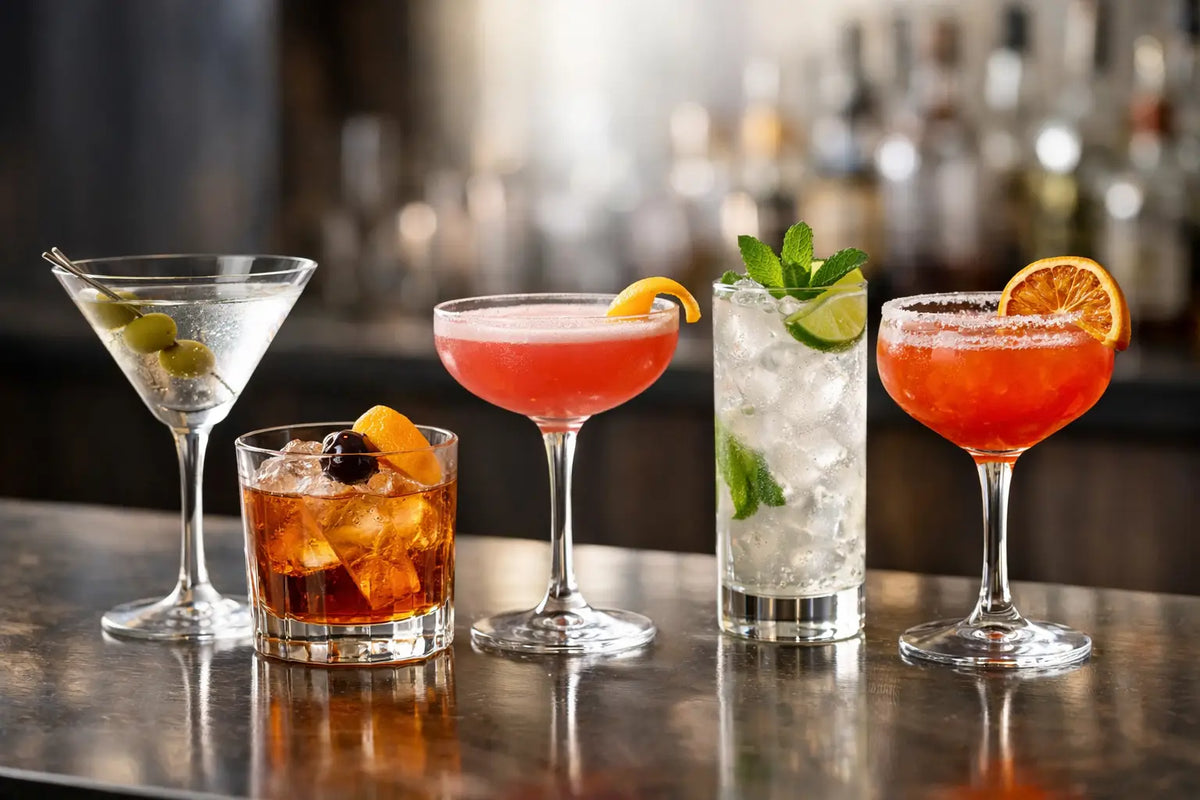
The classic pairings are useful because they solve real functional questions, not because they are untouchable tradition. A Manhattan belongs beautifully in a coupe or Nick and Nora glass because its chilled, stirred profile benefits from a smaller bowl and no ice. An Old Fashioned needs a low, substantial rocks glass with enough width for a large cube and an expressed orange peel. A highball needs vertical space for ice and carbonation. A Margarita often feels best in a wide-rimmed coupe or a refined stemmed glass that gives its salt garnish visual presence.
When choosing among shapes, consider these four variables together:
- Temperature: Drinks served very cold and without ice benefit from stems or smaller bowls that encourage a prompt, elegant serve.
- Aroma: Narrower openings concentrate botanical, citrus, and spirit notes; broader bowls allow aromatic garnishes to bloom.
- Dilution: Cocktails served over ice need enough volume to accommodate the correct amount of ice without crowding the liquid.
- Presentation: The glass should leave room for the drink's visual identity, whether that is a clear stirred cocktail, a frothy shaken sour, or a lively column of bubbles.
Begin With the Serve: Up, On the Rocks, or Long
The most reliable way to choose glassware is to identify how the cocktail is served.
Up cocktails need elegance and temperature control
Cocktails served up are chilled before pouring and arrive without ice. Think Martinis, Manhattans, Negronis served up, Sidecars, Gimlets, and Daiquiris. Since there is no ice continuing to cool the drink, a chilled stemmed vessel matters. It keeps the cocktail crisp while allowing the guest to hold it without warming the bowl.
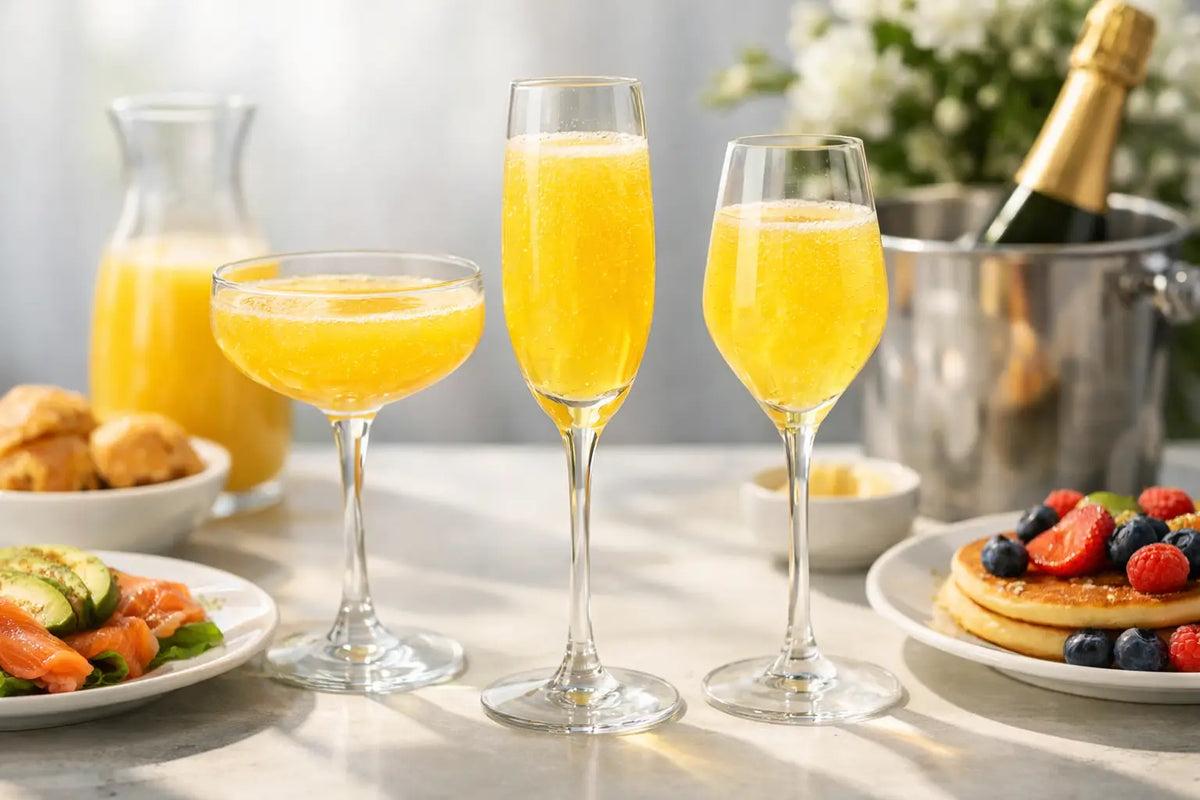
A coupe offers a broad, celebratory shape that suits sours, sparkling cocktails, and drinks with expressive garnishes. Its rounded bowl creates a graceful surface for foam or a citrus wheel. The trade-off is capacity: overfilling makes a coupe difficult to carry and easy to spill. Leave a little space below the rim so the presentation feels composed rather than precarious.
A Nick and Nora glass is often the more versatile choice for smaller, spirit-forward cocktails. Its gently curved bowl is less exposed than a wide coupe, which can help retain aroma while offering a polished, restaurant-ready profile. For a Martini, a classic V-shaped cocktail glass remains visually iconic, especially when a crisp, angular silhouette is part of the desired mood. Just keep the pour proportionate. An oversized Martini glass can make a three-ounce drink appear underpoured.
Rocks cocktails call for weight and room for ice
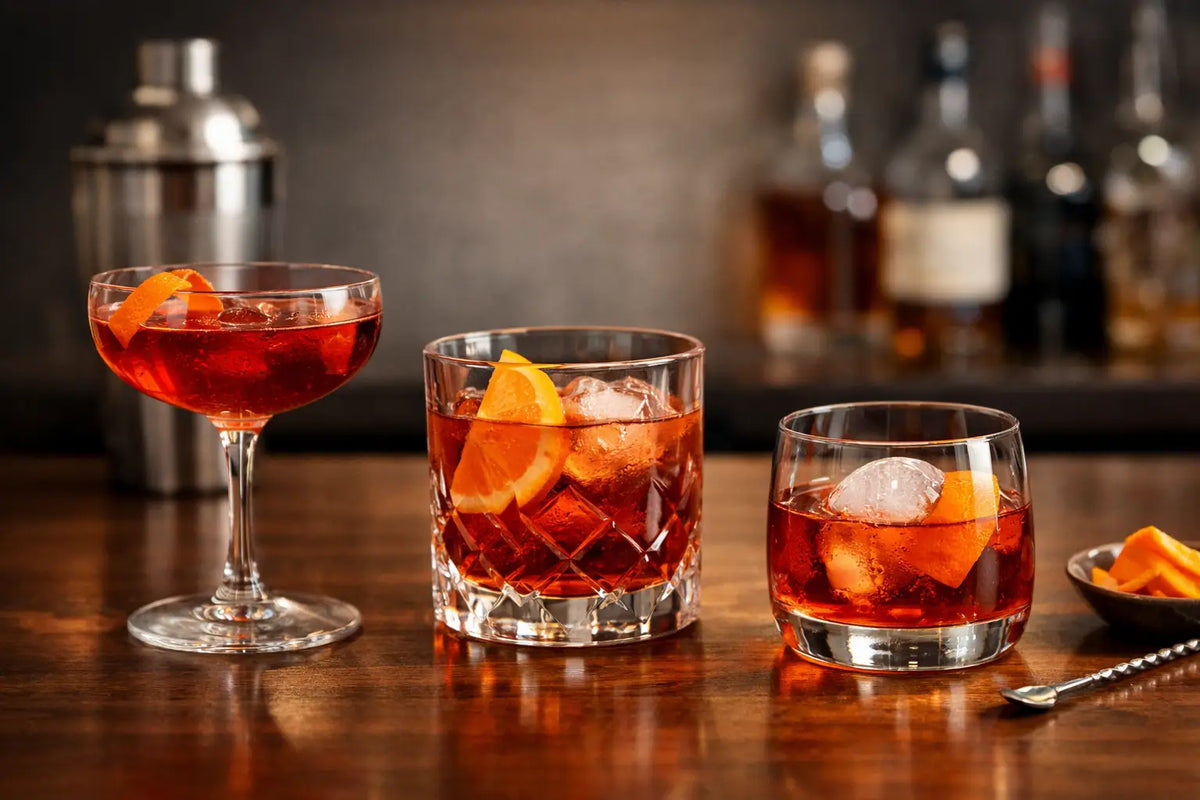
An Old Fashioned, Boulevardier, Whiskey Sour on ice, or Mezcal Negroni benefits from a double rocks glass or low tumbler. The wider format accommodates a large clear cube, which cools slowly and creates a dramatic focal point without turning the drink watery too quickly.
Here, material and proportion matter as much as shape. A substantial base gives the hand a sense of occasion and offers stability when building a drink directly in the glass. Lead-free crystal brings brightness and clarity to amber spirits, jewel-toned aperitifs, and carefully cut ice, allowing the color and texture of the cocktail to carry the visual story.
Do not assume every short drink needs the same glass, however. A compact rocks glass creates intimacy for a two-ounce pour, while a double rocks glass is better for a generous build with ice, soda, or muddled fruit. The goal is not to fill every vessel to the top. A little negative space makes a cocktail look deliberate.
Highballs and Collins drinks need height
Long drinks rely on dilution and carbonation, so they need a tall glass that gives ice, mixer, and garnish enough space to work together. A Gin and Tonic, Ranch Water, Paloma, Mojito, Tom Collins, or Whiskey Highball feels naturally at home in a highball or Collins glass.
The distinction is subtle but worthwhile. Highball glasses tend to be slightly shorter and broader, making them a good all-purpose choice for spirit-and-soda builds. Collins glasses are taller and narrower, lending themselves to more volume, layered ingredients, and abundant ice. Either can work for many recipes. Choose based on the final pour size, the amount of carbonation, and the garnish rather than treating one shape as a rule.
Tall, clear glassware also makes fresh ingredients more compelling. Cucumber ribbons, mint sprigs, grapefruit wedges, and translucent ice become part of the composition. If the drink has a vivid color or a sculptural garnish, a clean vertical silhouette gives it room to speak.
Let Aroma Guide the Glass
Glassware changes how a cocktail meets the nose. This is especially noticeable with drinks built around gin, agave spirits, aged whiskey, amaro, and sparkling wine.
A narrow opening directs aroma upward, making it an intelligent choice for a Martini, Vesper, or spirit-forward stirred drink. A gently tapered tulip shape can intensify the nose while preventing the drink from feeling overly exposed. Wider bowls create a more open aromatic experience and work well for citrus-forward sours, Champagne cocktails, and drinks finished with fragrant herbs.
Bubbles require particular restraint. A flute preserves carbonation with its narrow opening and elongated shape, making it well suited to a French 75 or a simple sparkling wine serve. A coupe creates a more festive visual effect but allows bubbles to dissipate faster. Neither is universally better. Choose a flute when freshness and lift are the priority; choose a coupe when the occasion calls for a softer, more expressive presentation.
Match the Glass to the Cocktail's Visual Language
A cocktail's color, texture, and garnish should inform the glass choice, particularly when you are setting a table for guests or developing a consistent service style for a bar.
Crystal-clear stirred cocktails benefit from precise, refined forms. The clean lines of a Figueroa lead-free crystal glass can spotlight the warm copper of whiskey, the ruby depth of a Boulevardier, or the pale clarity of a Martini without competing with the drink. Shaken cocktails with a velvety foam cap often look strongest in a coupe, where the surface becomes part of the presentation.
For tropical drinks, the answer depends on the expression you want. A tall glass gives a Mojito or Piña Colada a lighter, contemporary feeling, while a more generous stemmed or footed vessel can lean celebratory. Avoid choosing novelty over function. If a drink needs crushed ice, a large garnish, and a straw, the glass must have enough capacity to support all three without becoming awkward to hold.
Color also affects perception. Dark cocktails can disappear in heavy smoked glass, while pale drinks may gain definition against a lightly tinted vessel. Clear glass remains the most flexible foundation for a cocktail collection because it lets the drink provide the color. Use distinctive silhouettes, texture, or a considered stem instead of relying on ornament alone.
Build a Flexible Cocktail Glassware Collection
You do not need a different glass for every classic drink. A well-chosen set of four to five core silhouettes can cover most entertaining with a cohesive look.
Begin with a double rocks glass, a highball, a coupe or Nick and Nora, and a Champagne flute. Add a larger stemmed wine glass if you enjoy spritzes, Sangria, or cocktails with aromatic herbs and fruit. This edit supports everything from weeknight Whiskey Sours to dinner-party French 75s while keeping the cabinet visually calm and intentional.
For restaurants and cafés, consistency carries equal value. Choosing a collection with related proportions and material quality makes cocktail service feel connected to wine, water, espresso, and the rest of the tabletop. The best glass is not simply beautiful on its own. It should reinforce the atmosphere you want guests to remember.
Before your next pour, chill the glasses intended for up cocktails, choose ice that fits the vessel, and give the garnish enough room to feel intentional. A well-paired glass does not call attention to itself at the expense of the drink. It makes every sip feel exactly where it belongs.