Glassware Trends 2026 for Elevated Tables
A coupe can make a weeknight cocktail feel considered. A weighty wine glass changes the pace of a dinner table. The most compelling glassware trends 2026 are built around that simple idea: drinkware is no longer background equipment. It is part of the room, the menu, and the ritual.
For design-minded hosts and hospitality teams alike, the shift is less about chasing novelty than choosing pieces with a clear point of view. The best glassware feels beautiful in the hand, photographs with intention, and performs well through repeat pours, busy services, and unhurried Sunday mornings.
Glassware Trends 2026 Put Shape at the Center
The familiar, perfectly generic glass is giving way to silhouettes with more presence. Expect softly flared rims, gently tapered bowls, rounded bases, and crisp vertical lines that bring modern geometry to the table without making the setting feel theatrical.
This is not a call for fragile art objects that live behind cabinet doors. The appeal lies in restraint. A glass with a slightly more architectural profile can make sparkling water, a chilled martini, or a simple pour of orange wine feel more deliberate. It gives the table a visual rhythm, especially when paired with clean linens, stoneware, or a polished metal tray.
For restaurants and cafés, recognizable shapes can become part of service identity. Guests may not name the glass, but they notice when a drink arrives in a vessel that feels specific to the experience. For homes, shape offers a more approachable way to refresh a bar cart or dining shelf than replacing every piece of dinnerware.
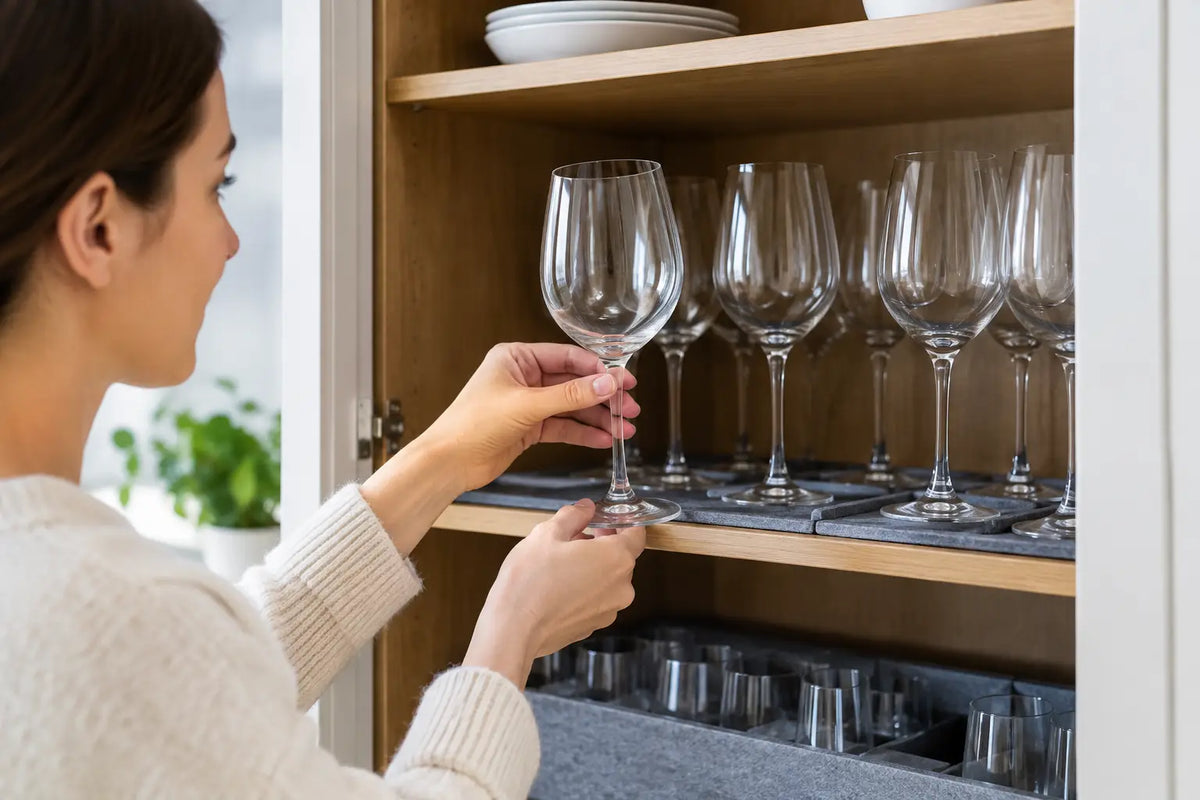
The trade-off is practicality. Highly unusual forms can be difficult to stack, store, or wash. Choose sculptural details that support the use of the glass rather than interrupt it. A distinctive stem, a balanced bowl, or a refined foot often delivers more lasting impact than an exaggerated silhouette.
Lead-Free Crystal Becomes an Everyday Standard
Clarity still matters. So does the bright, resonant feeling of a well-made glass. In 2026, lead-free crystal continues to define premium drinkware because it offers a polished visual quality while fitting the realities of modern use.
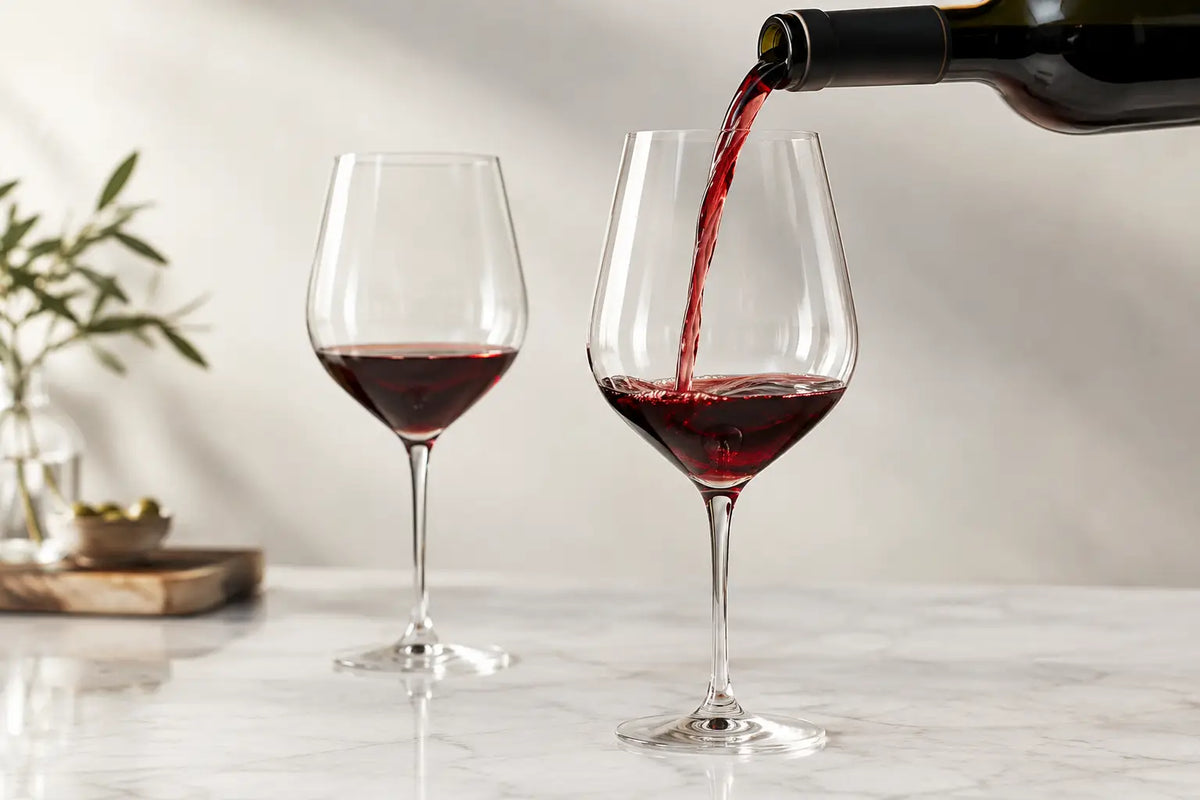
Fine-looking glassware should not be reserved only for formal celebrations. The contemporary table is more flexible: a bottle shared over takeout, an espresso after dinner, a low-lit gathering where cocktails and conversation move from kitchen to terrace. Lead-free crystal supports that ease. Its luminous clarity lets the color of a spritz, cabernet, or sparkling water become part of the presentation, while its refined feel brings a sense of occasion to everyday pours.
Durability remains essential, particularly in commercial settings. No material is indestructible, and thinner profiles require thoughtful handling. Yet hospitality buyers are increasingly looking beyond basic utility toward glassware that can hold up to regular service while improving the perceived quality of every drink. The right collection balances delicacy at the rim with confidence in the hand.
One Collection, Many Rituals
Another defining movement within glassware trends 2026 is the preference for edited collections over mismatched accumulation. Rather than buying a separate novelty glass for every possible beverage, people are building compact assortments that work across a wide range of occasions.
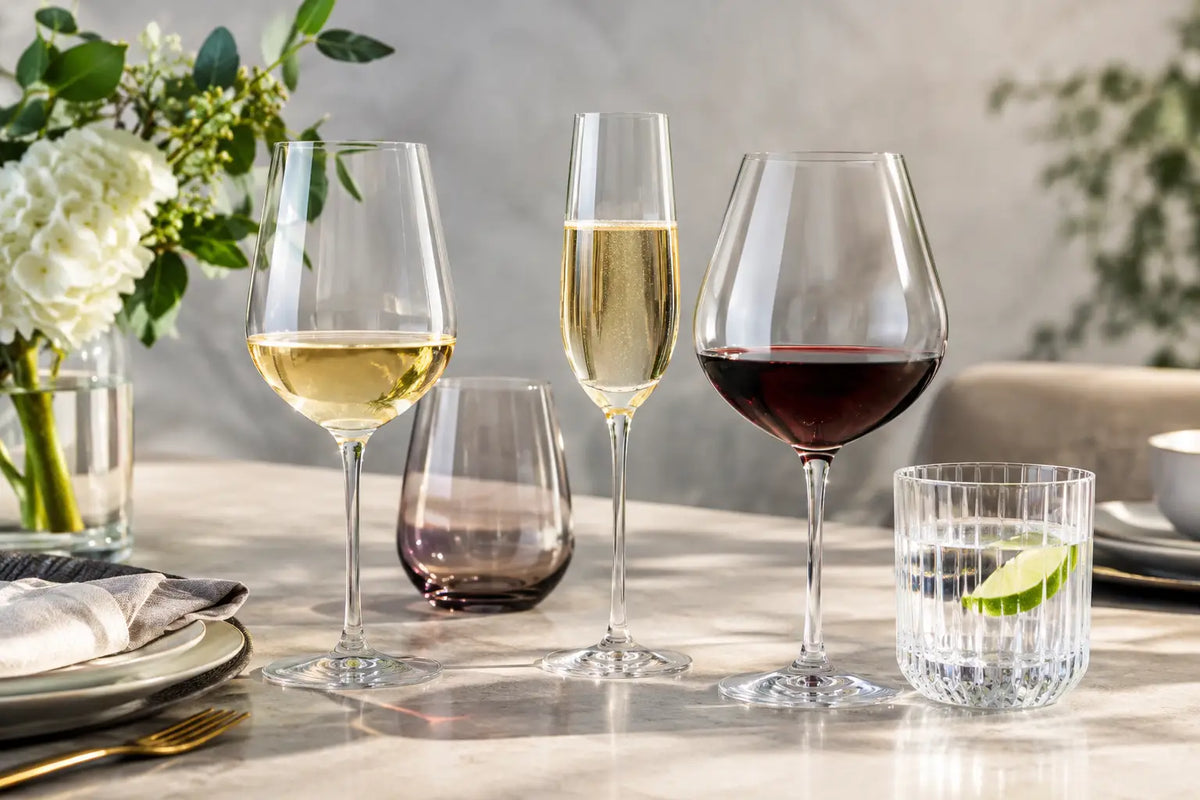
A versatile stemmed wine glass can carry red, white, rosé, and even a sparkling aperitif with ease. A coupe can serve champagne, a classic cocktail, or a composed dessert. An elegant beverage glass can move from iced coffee at noon to a Paloma at sunset. This flexibility is especially appealing in apartments, smaller kitchens, and hospitality programs where storage matters as much as style.
Cohesion does not mean everything must be identical. It means the pieces share a visual language. Perhaps each has the same polished clarity and restrained proportions, or perhaps the stemware and tumblers echo one another through a rounded base. A collection-based approach creates a composed table even when the menu changes.
For a first upgrade, begin with the vessels used most often. Four to six all-purpose wine glasses, a set of cocktail-ready coupes, and versatile beverage glasses can cover most hosting needs without overcrowding the cabinet. Add more specialized pieces only when they answer a real habit, such as frequent espresso service or a serious appreciation for Champagne.
The Return of the Intentional Cocktail Glass
Cocktail culture remains a strong influence, but the direction is more polished than performative. Oversized novelty vessels and overly complicated garnishes are making room for drinks presented with clean ice, excellent ingredients, and glassware that frames the pour beautifully.
Coupes remain relevant because they bring immediate elegance to stirred and shaken classics. Nick and Nora shapes appeal to those who prefer a more contained, quietly sophisticated serve. Low, substantial rocks glasses continue to anchor spirit-forward drinks, especially when the base has enough weight to feel satisfying without becoming bulky.
The key is matching the vessel to the drink's personality. A wide coupe amplifies aroma and visual drama, but it is less forgiving when guests are moving around a crowded room. A smaller stemmed glass may be better for a seated dinner. In a bar program, consistency is just as important: the chosen glass should look exceptional and feel natural for staff to carry, clear, and replace during service.
Coffee Service Joins the Tabletop Conversation
Glassware does not exist apart from the rest of the drink ritual. In 2026, more homes and cafés are styling coffee service with the same consideration given to evening cocktails. Porcelain espresso and cappuccino cups, paired with matching saucers, bring warmth and structure to a tabletop that might otherwise lean entirely transparent.
The contrast is part of the appeal. Crystal-clear beverage glasses catch light; matte or glazed porcelain creates a grounded counterpoint. Together, they make a coffee station or dessert course feel curated rather than assembled at the last minute.
Proportion matters here. Espresso cups should feel compact and balanced, with enough substance to retain warmth and enough refinement to make a short coffee feel ceremonial. Cappuccino cups need a broader opening that supports aroma and milk texture. Matching saucers are not merely decorative. They provide a composed place for a spoon, a small biscuit, or a thoughtful finishing detail.
For hospitality operators, a cohesive coffee service can extend the guest experience after the main meal. For hosts, it turns the final course into something guests remember.
Color Appears in Controlled Doses
Clear glass remains the foundation of premium tabletop design, but subtle color is gaining ground. Think smoke, pale amber, olive, and soft blush rather than a cabinet full of competing jewel tones. These shades add atmosphere, particularly for seasonal entertaining and tables set in warm evening light.
Color works best when it has a job to do. A smoky tumbler can add depth to a neutral dining room. Amber glass can make a late-summer table feel sunlit and relaxed. But color can also obscure a drink's hue and make a collection harder to expand over time. If versatility is the priority, build the core assortment in clear lead-free crystal and introduce color through a smaller accent set.
This approach keeps the table adaptable. It also allows a restaurant, café, or home bar to shift the mood without replacing its entire glassware program.
What Makes a Trend Worth Bringing Home
The most enduring choices are not defined by a single social post or a fleeting color. They are the pieces that improve the experience of serving and drinking. Before selecting a new collection, consider the drinks you reach for, the way you entertain, the storage you have, and the level of care you realistically want to give each piece.
At Angeleno Drinkware, that balance between visual distinction and everyday performance is central to the table. A refined glass should elevate a pour without asking you to save it for a hypothetical special occasion.
Choose shapes with presence, materials with clarity, and collections that make sense together. Then use them often. The most beautiful glassware earns its place not on a shelf, but in the small rituals that make a home or hospitality setting feel genuinely considered.