Best Espresso Cups for Home, Explained
That first espresso of the day does not ask for much - just a well-pulled shot, a little quiet, and a cup that makes the ritual feel complete. The best espresso cups for home are not simply small vessels. They shape temperature, crema, mouthfeel, and the visual impression of the drink in a way that is easy to overlook until you get it right.
For home coffee setups, cup choice sits at the intersection of performance and presentation. A great espresso cup should keep a shot warm long enough to enjoy it properly, feel balanced in the hand, and look considered on the counter or table. If your kitchen leans modern, minimal, or hospitality-inspired, the right cup also brings cohesion to the experience. That matters more than people think.
What makes the best espresso cups for home?
The answer starts with proportion. A standard espresso is small, usually around 1 ounce for a single and 2 ounces for a double, but the cup should offer a little extra room. That headspace protects crema, allows for easier carrying, and leaves enough visual breathing room so the drink looks intentional instead of cramped.
In practice, most home users do best with cups in the 2.5 to 4 ounce range. That size accommodates straight espresso comfortably and still works for a macchiato or a short cortado depending on the shape. Go too large and the shot can feel visually lost and cool more quickly. Go too small and you end up sacrificing ease of use for purity.
Material is the next major decision. Porcelain remains the classic choice for a reason. It retains heat well, has a smooth, refined finish, and creates a clean backdrop for the color and crema of the espresso itself. It also tends to feel timeless rather than trend-driven, which makes it a strong fit for anyone building a cohesive coffee service at home.
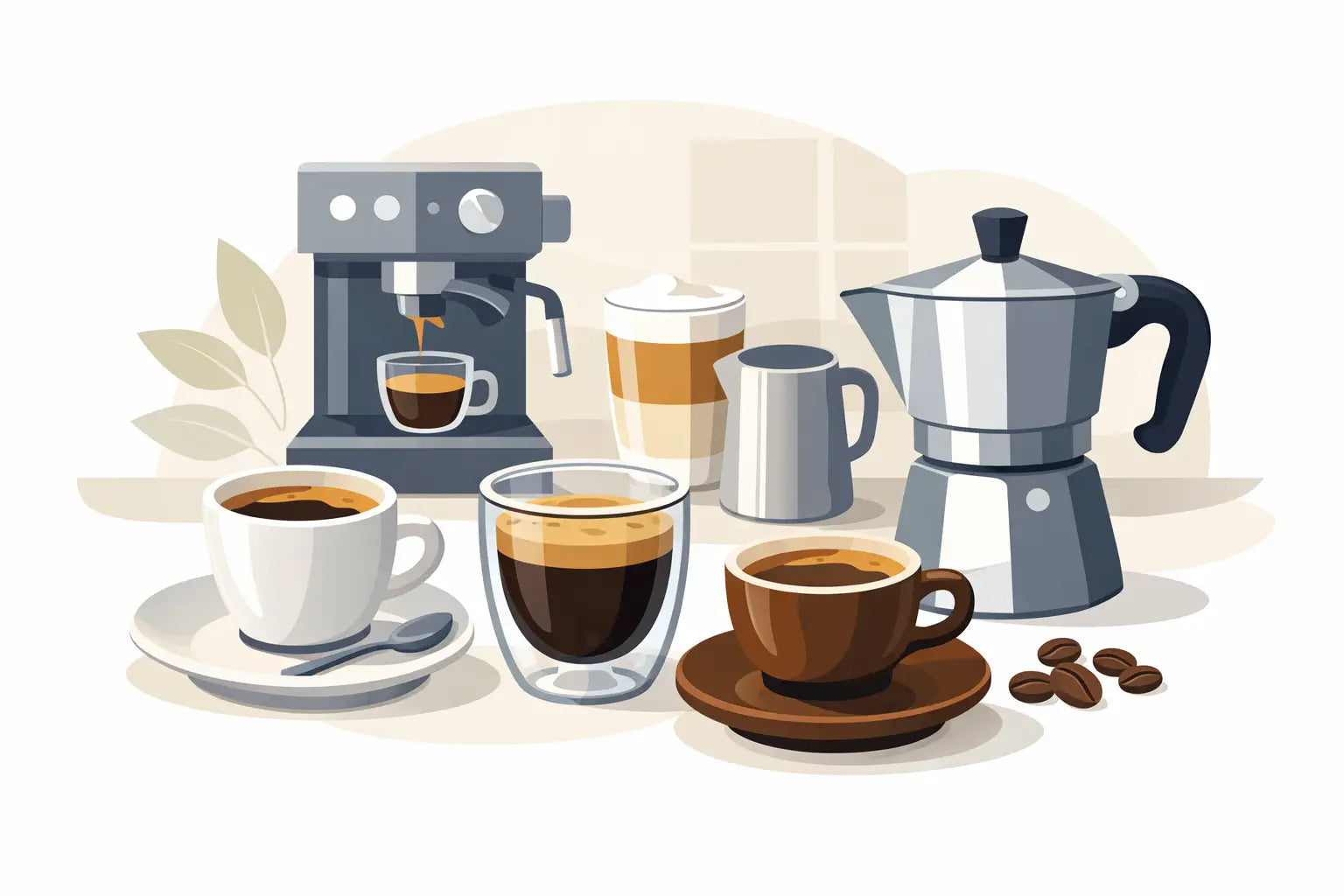
Glass has its own appeal, especially for people who want to highlight the layers, body, and gloss of the shot. A well-made glass espresso cup can feel contemporary and striking, particularly in design-forward interiors. The trade-off is heat retention. Unless the glass is insulated, espresso served in glass will usually cool faster than espresso served in a thicker porcelain cup.
Size and shape matter more than most people expect
When people shop for espresso cups, they often focus on exterior style first. That is understandable, but interior geometry deserves equal attention. The best espresso cups for home usually have a gently rounded interior rather than a sharp angle at the base. That curve helps preserve crema and makes the shot feel more integrated when poured.
Cup opening also changes the experience. A slightly narrower opening helps hold heat and aroma. A wider one can make sipping easier and showcase crema beautifully, but it may let the espresso cool faster. Neither is automatically better. It depends on whether you prioritize temperature retention or presentation.
Handle design is another small detail with outsized impact. A delicate handle can look elegant, but it still needs enough space to hold comfortably. If you entertain often or serve guests after dinner, this becomes especially relevant. Espresso service should feel precise, not fussy.
Saucer pairing deserves mention too. At home, a matching saucer does more than complete the look. It gives the cup a proper resting place, catches drips, and creates the kind of composed presentation usually associated with a good café or hotel lounge. If you care about tabletop styling, saucers are less optional than they might seem.
Porcelain vs. glass for home espresso
Porcelain is the safer recommendation for most households, especially if your goal is to create a polished daily ritual. It offers reliable thermal performance, a substantial feel, and a quietly luxurious look. White porcelain in particular gives espresso a crisp visual contrast that flatters everything from a deep ristretto to a glossy double shot.
Glass is often chosen for aesthetic reasons, and sometimes that is exactly the right call. If your home coffee station has a more modern, architectural feel, transparent cups can look sharp and contemporary. They can also be useful if you enjoy visually evaluating extraction. But there is a trade-off between beauty and insulation, and for many home users, porcelain simply performs more consistently.
There is also the question of longevity. High-quality porcelain tends to wear gracefully and resists looking dated. Some glass cups remain beautiful for years, while others begin to show the small signs of daily use more quickly. If you want a cup that feels like part of a long-term collection rather than a temporary accessory, porcelain often comes out ahead.
How design changes the ritual
A well-designed espresso cup does something subtle but meaningful. It slows the moment down. The weight feels intentional. The rim meets the mouth cleanly. The finish catches the morning light or the soft glow of an evening kitchen. Good drinkware turns coffee from routine into ritual without making it feel staged.
That is why aesthetics should not be treated as secondary. If you love the way a cup looks on your counter, on a tray, or beside a dessert plate, you are more likely to use it often and enjoy the experience more fully. For style-conscious homes, espresso cups should speak the same visual language as the rest of the space - clean lines, thoughtful materials, and a sense of cohesion.
Collection-based buying works especially well here. Choosing cups that belong to a broader family of cappuccino cups, saucers, and serving pieces creates a more curated experience. It is one of the easiest ways to make a home setup feel elevated without adding complexity.
Features worth looking for before you buy
Thickness is one of the most overlooked factors. A slightly thicker porcelain wall helps preserve temperature and gives the cup a more substantial hand-feel. Too thick, though, and the cup can feel heavy or visually blunt. The sweet spot is enough material to support heat retention without losing elegance.
Finish matters too. Glossy porcelain tends to look cleaner and more formal, while matte finishes can feel more artisanal and design-led. Both can work beautifully, but glossy interiors are often easier to keep looking pristine over time.
Stackability may matter if you have limited kitchen storage, though it sometimes comes at the expense of silhouette. If you have open shelving, visual impact may be more important than storage efficiency. Again, it depends on the home and how you actually use your drinkware.
Durability should stay in the conversation. Espresso cups live in a high-use category. They are handled frequently, washed often, and sometimes moved from machine to table in quick succession. A premium cup should feel refined, but it also needs to hold up to real life.
Choosing the right espresso cups for your home style
If your kitchen is minimal and modern, look for cups with clean geometry, restrained detailing, and a crisp neutral finish. These styles tend to feel architectural and calm, letting the espresso itself provide warmth and contrast.
If your home leans more classic or layered, a softly rounded porcelain cup with a matching saucer will feel at home. This kind of silhouette has staying power. It signals hospitality without trying too hard.
If you entertain frequently, prioritize sets that feel complete and guest-ready. Consistency matters on the table. Matching cups and saucers create a more refined presentation than an assortment of collected pieces, even if each individual cup is attractive on its own.
For buyers who want that balance of modern design and everyday practicality, Angeleno Drinkware's porcelain espresso service reflects exactly where good home entertaining is heading - considered, cohesive, and meant to be lived with.
A few mistakes to avoid
The most common mistake is buying oversized cups labeled for espresso. They may look versatile online, but in use they often make a beautiful shot feel visually underwhelming. Espresso benefits from scale and containment.
Another mistake is choosing novelty over function. An unusual shape can be compelling, but if it is awkward to hold, hard to clean, or poor at retaining heat, the appeal fades quickly. Home coffee rituals are daily rituals. The cup needs to earn its place through repeated use.
It is also worth resisting the impulse to mix too many styles within a small coffee setup. A tighter visual edit usually feels more premium. When cups, saucers, and neighboring pieces share a common design language, the entire space looks more intentional.
The right espresso cup does not have to be flashy to feel luxurious. It simply needs to perform well, look beautiful in context, and make each shot feel a little more composed than the last. Choose for the way you actually drink coffee, the way you want your space to feel, and the kind of ritual you want waiting for you every morning.