Choosing Bar Glassware for Hotels
A hotel bar rarely gets judged by the backbar alone. Guests notice the weight of a rocks glass in hand, the clarity of a coupe under low light, and whether the stemware on the rooftop feels considered or generic. That is why bar glassware for hotels is not a minor purchasing detail. It is part of the atmosphere, part of the service rhythm, and part of how a property signals taste before a guest takes the first sip.
Why bar glassware for hotels matters more than it seems
In hospitality, presentation does quiet but powerful work. A well-composed cocktail can lose impact in a glass that feels too thick, too cloudy, or disconnected from the setting. The reverse is also true. The right silhouette sharpens the drink’s visual appeal, supports temperature and aroma, and makes the entire exchange feel more refined.
For hotels, the stakes are even higher than in a standalone bar. One property may be serving welcome spritzes in the lobby, negronis at a signature bar, sparkling wine during events, and morning juices through in-room dining. Glassware has to function across multiple touchpoints while still feeling coherent. Guests may not comment on the exact bowl shape of a wine glass, but they do register whether the overall experience feels elevated.
That makes glassware a design decision as much as an operations decision. It should photograph well, suit the property’s identity, and hold up under real service conditions. If any one of those factors is ignored, the collection starts to feel expensive in the wrong way.
Start with the hotel’s concept, not the catalog
It is tempting to source glassware by category alone: martini glasses, highballs, coupes, flutes, and move on. But the better starting point is the property itself. A boutique hotel with a moody cocktail lounge needs a different visual language than a coastal resort, a business hotel, or a design-forward rooftop venue.
A contemporary urban property often benefits from clean lines, modern geometry, and crystal-clear profiles that feel architectural without becoming cold. A more classic setting may call for softer curves and timeless proportions. The goal is not to make every glass a statement piece. It is to create a collection that supports the room, the menu, and the guest’s expectations in a way that feels natural.
This is where collection-based thinking matters. When bar glassware feels related across categories, the entire beverage program looks more intentional. A neat pour in a double old fashioned glass, a sparkling serve in a flute, and a shaken cocktail in a coupe should not look like they were sourced from three unrelated universes.
The core silhouettes every hotel bar should get right
Most hotels do not need an oversized assortment. They need the right assortment. A tight, versatile collection usually performs better than a sprawling one filled with niche shapes that break easily and spend more time in storage than on the floor.
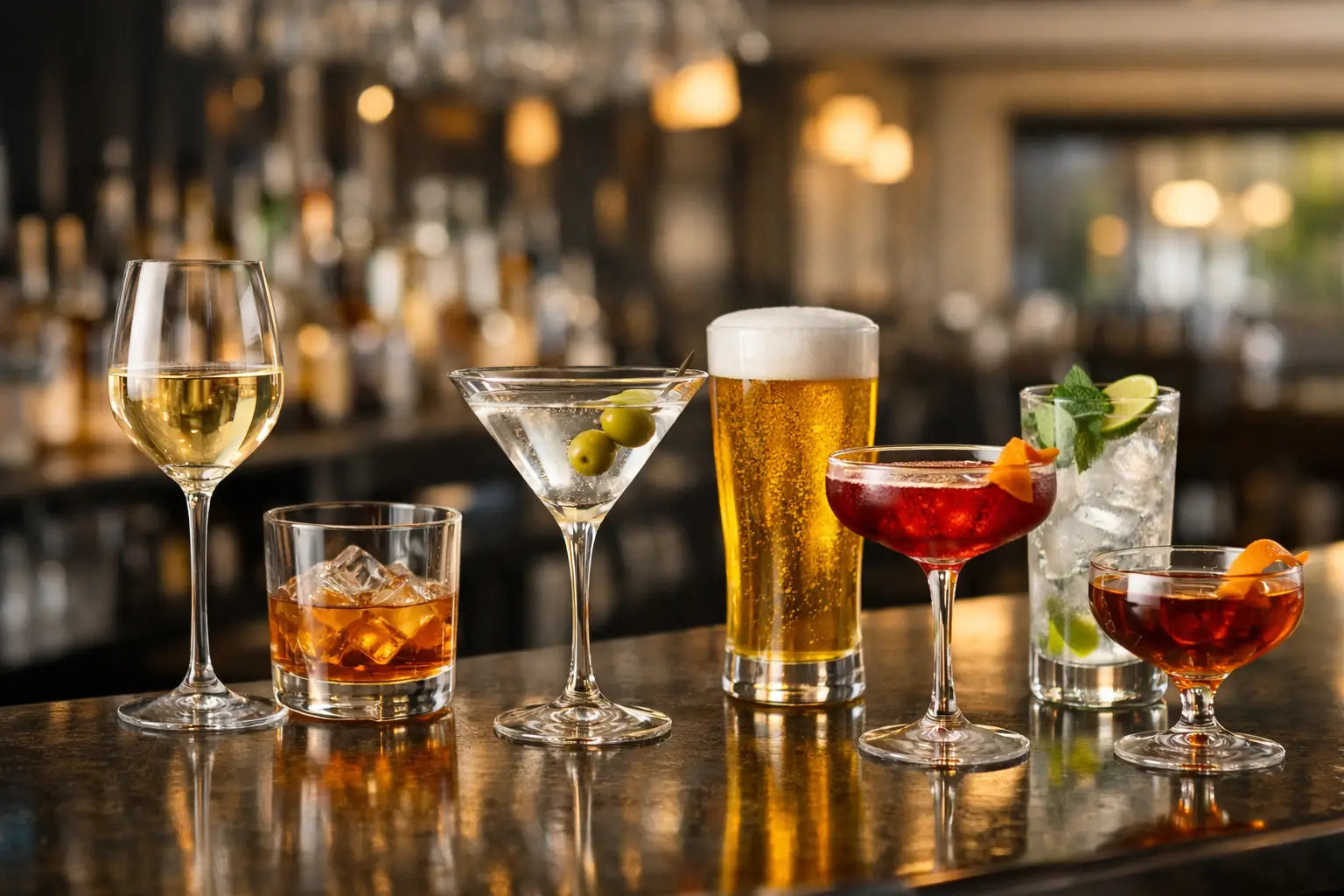
The essentials typically begin with a rocks glass, a highball, a coupe or martini-style stem, a universal wine glass, and a flute or sparkling glass. If the program leans into premium spirits, a dedicated tasting or neat-pour glass may also make sense. If beer service is important, that category deserves just as much design attention rather than being treated as an afterthought.
Each silhouette should earn its place. A rocks glass should feel substantial without becoming bulky. A highball should be elegant enough for cocktails and practical enough for soft drinks and sparkling water. A coupe should deliver visual drama but still stack into service routines that make sense. The best hotel glassware is beautiful, but never precious to the point of slowing everything down.
Material quality changes the guest experience
Not all clear glass performs the same way. For hotel operators, material quality affects appearance, durability, and long-term value. Lead-free crystal is often appealing because it offers exceptional clarity and a more elevated hand feel, allowing drinks to look brighter and more polished under bar and dining room lighting.
That visual crispness matters. Ice looks cleaner. Carbonation reads better. Garnishes feel sharper and more intentional. In a premium setting, those details add up quickly.
Still, there is always a trade-off to consider. Finer glassware can create a more luxurious impression, but the environment matters. A lobby bar with steady all-day traffic may need slightly more forgiving pieces than a reservation-only cocktail lounge. Outdoor service, poolside programs, and banquet operations all come with different breakage risks and handling realities. The smartest choice is rarely the most delicate one. It is the one that delivers the right level of refinement for the service context.
Durability is not glamorous, but it is part of luxury
Guests experience luxury as ease. They do not see the polishing, racking, dishwashing, and transport behind the scenes. Hotel teams do. That is why durability should be evaluated with as much seriousness as visual appeal.
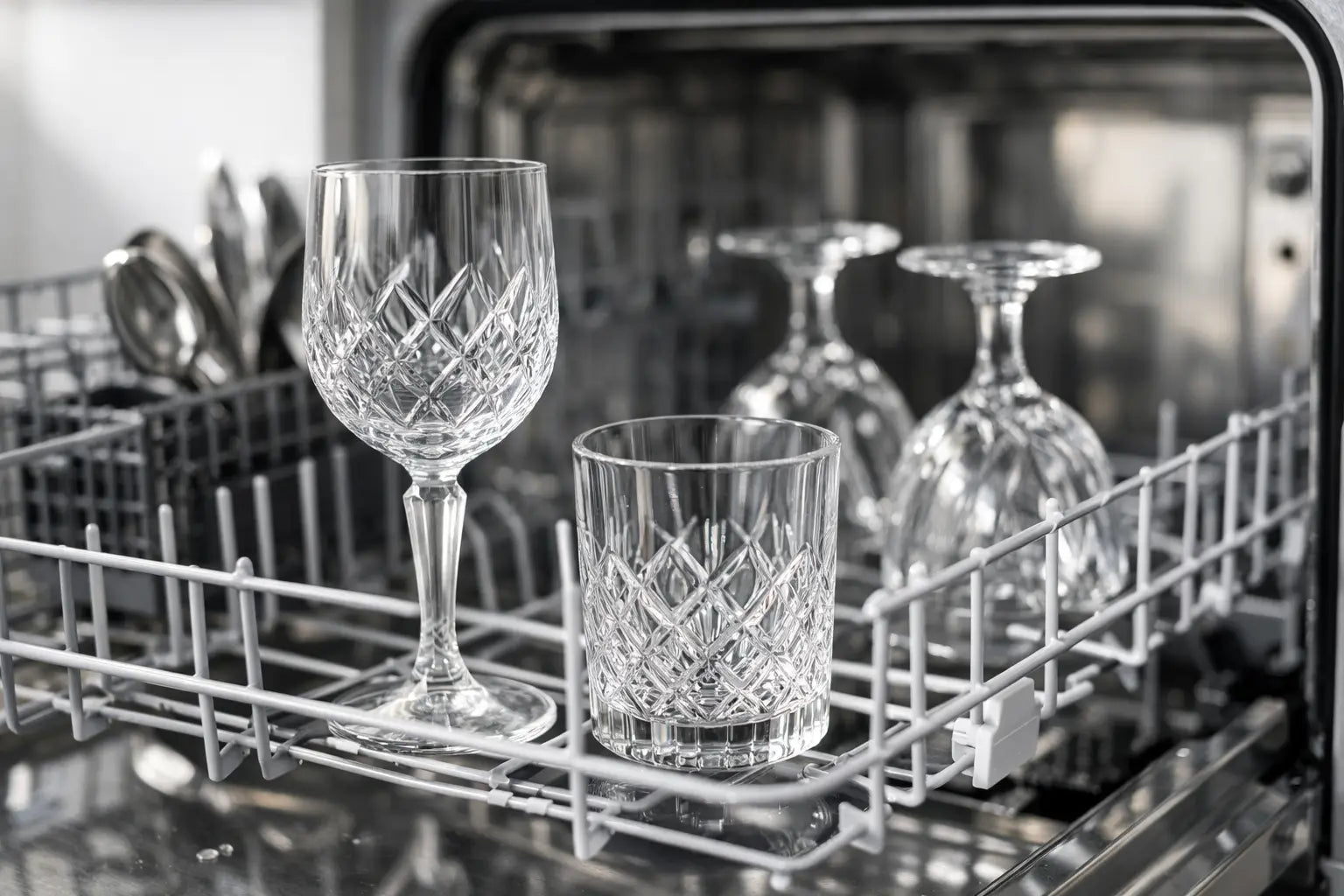
Thin rims can feel exquisite, but they also need to stand up to repeated washing and high-volume handling. Stemmed pieces elevate presentation, yet they can increase breakage in fast-paced environments if storage and workflow are not set up correctly. Stackability may help one property and hurt another, depending on bar layout and the risk of scratches or chips.
There is also replacement planning. Even excellent glassware breaks. A hotel should be able to reorder styles consistently and preserve a unified look over time. Constantly substituting near-matches creates a bar program that slowly loses its visual discipline. Premium hospitality benefits from continuity.
Matching glassware to service flow
A bar manager, a beverage director, and a designer may all want different things from the same glass. The right decision sits where those priorities overlap.
A dramatic coupe may look perfect in brand photography, but if it is too top-heavy for tray service, staff will feel the problem immediately. A beautiful faceted tumbler may catch candlelight brilliantly, but if it complicates garnishing or slows dishwashing turnaround, its real cost grows. This is why hotels should test glassware in motion, not just on a sample tray in a conference room.
Think through the whole cycle. How does the glass feel when carried three at a time? Does it fit the dishwasher racks already in use? Can bartenders build efficiently in it, or is every pour becoming more delicate than necessary? Can banquet teams move and reset it at scale? The best bar glassware for hotels supports a polished guest-facing experience because it is equally intelligent behind the scenes.
Design consistency creates a stronger brand impression
Hospitality design often focuses on furniture, lighting, textiles, and scent. Glassware deserves a place in that conversation. It sits directly in the guest’s hand. Few objects have more intimate contact with the experience of a stay.
When a hotel’s drinkware is cohesive, the beverage program feels more curated. Cocktails appear more premium. Tables look cleaner. Even nonalcoholic service gains presence. A sparkling water in a thoughtfully chosen glass says something different than the same pour in a generic vessel.
For design-conscious properties, this is a quiet advantage. The glassware does not need to compete with the drink or the room. It should frame both. Angeleno Drinkware approaches this balance well, with collection-driven silhouettes that feel modern, elevated, and practical enough for hospitality use.
Where hotels often overspend or underspec
Some properties overspend on novelty. They buy highly specific glasses for menu moments that may not last past one seasonal update. Others underspec by choosing utility-first options that flatten the guest experience and make premium cocktails look ordinary.
The better approach is selective investment. Spend more on the silhouettes guests handle most often and notice most immediately. Be disciplined about edge cases. If a specialty glass supports a signature serve that truly defines the program, it can be worth it. If not, versatility usually wins.
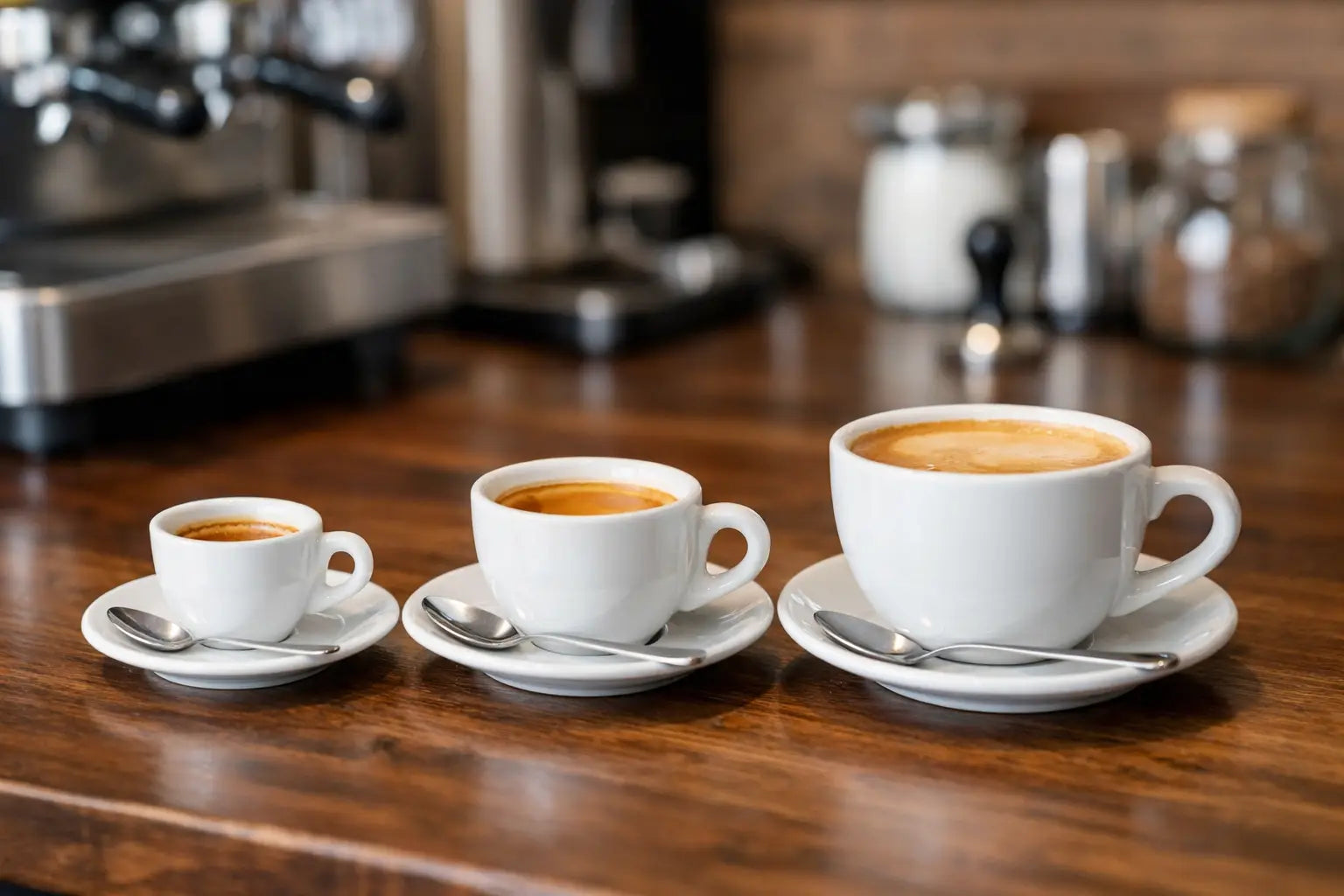
It also helps to think beyond the bar alone. Hotels benefit when beverage presentation feels connected from morning to night. Coffee cups, water glasses, wine stems, and cocktail vessels do not need to match exactly, but they should feel like they belong to the same property. That coherence reads as care.
How to choose with confidence
The smartest purchasing process blends design review with service testing. Start by narrowing options according to concept and beverage menu. Then sample the shortlist in real conditions. Use them during mock service. Wash them repeatedly. Hold them under the lighting guests actually see. Ask bartenders and service staff what feels intuitive and what feels fragile or awkward.
Cost per piece matters, but so does cost over time. A slightly higher upfront investment can be the wiser choice if it delivers better durability, stronger presentation, and easier reorder consistency. Hotels rarely regret glassware that makes service look polished and photographs beautifully across seasons.
A guest may not remember the exact name of the coupe used for their first-night cocktail. They will remember how the moment felt. Well-chosen glassware helps make that feeling look effortless, which is often the clearest sign that a hotel got it right.