Choosing Durable Glassware for Busy Bars
Friday at 8:30 p.m. is not when a glass gets to be precious. In a full bar, stemware is moving from rack to rail to table in constant rotation, cocktail glasses are clinking in tight quarters, and dish cycles are running hot and fast. That is exactly why durable glassware for busy bars matters - not as a back-of-house detail, but as a direct part of service quality, replacement cost, and the visual standard guests notice immediately.
The right glassware has to do two jobs at once. It needs to survive the pace of hospitality, and it needs to look considered in the hand, on the bar top, and under low evening light. For operators who care about presentation, that balance is where smart buying happens.
What durable glassware for busy bars actually means
Durability is often reduced to one question: will it break? In practice, the better question is how well a glass performs across repeated stress. A busy bar exposes glassware to stacked racks, rushed polishing, thermal shifts, impact at the well, and hundreds of wash cycles. A glass can feel heavy and still fail quickly if the rim chips, the foot is unstable, or the bowl shape makes it awkward to store.
Truly durable glassware is built with service conditions in mind. That usually means a well-balanced silhouette, walls that are refined but not fragile, and a shape that bartenders can grip confidently when speed matters. It also means consistency. If one case of coupes has slight variation and another sits unevenly on the table, the problem is not only breakage. It is the loss of a polished, intentional look.
Material and construction matter more than weight
Many buyers still equate thicker glass with stronger glass. Sometimes that is true, but not always. Thick, cheap glass can feel sturdy while looking dull, and it can still be prone to edge damage where stress concentrates. By contrast, lead-free crystal and well-made soda-lime options can offer better clarity, better balance, and surprisingly strong performance when the design is right.
Lead-free crystal is especially appealing for bars that want a more elevated presentation. It brings brightness and a finer visual profile, which helps cocktails and wine look more expressive across the table. The trade-off is that not every crystal glass belongs in a high-volume environment. The key is choosing pieces designed with enough structural integrity for repeated commercial use, rather than selecting the thinnest, most delicate silhouette because it photographs well.
A busy neighborhood cocktail bar and a hotel rooftop may land on different answers here. One might prioritize a slightly sturdier all-purpose rocks glass with excellent stack security. The other may accept a bit more delicacy for a refined stemmed martini glass because presentation is central to the guest experience. Durable does not mean one-size-fits-all. It means appropriate strength for the actual pace and style of service.
Where bars lose money on glassware
Breakage is the obvious cost, but it is rarely the only one. Poorly chosen glassware slows service, creates storage friction, and makes a program look less cohesive. If bartenders have to baby a glass every time they reach into the rack, you have already introduced inefficiency. If the base is too narrow and tips easily on crowded tables, replacement costs are only part of the issue.
There is also the matter of visual fatigue. Glassware that clouds, scratches, or loses its crisp finish after repeated washing can quietly lower the perceived quality of the entire beverage program. Guests may not identify the source, but they register the difference between a drink served in a clear, well-proportioned vessel and one served in tired glassware that looks worn before its time.
That is why procurement should be tied to cost per service life, not just cost per piece. A less expensive glass that needs frequent replacement may be the pricier decision over a year. A premium-looking glass that holds up through heavy use can protect both margins and brand perception.
The shapes that tend to work best in high-volume service
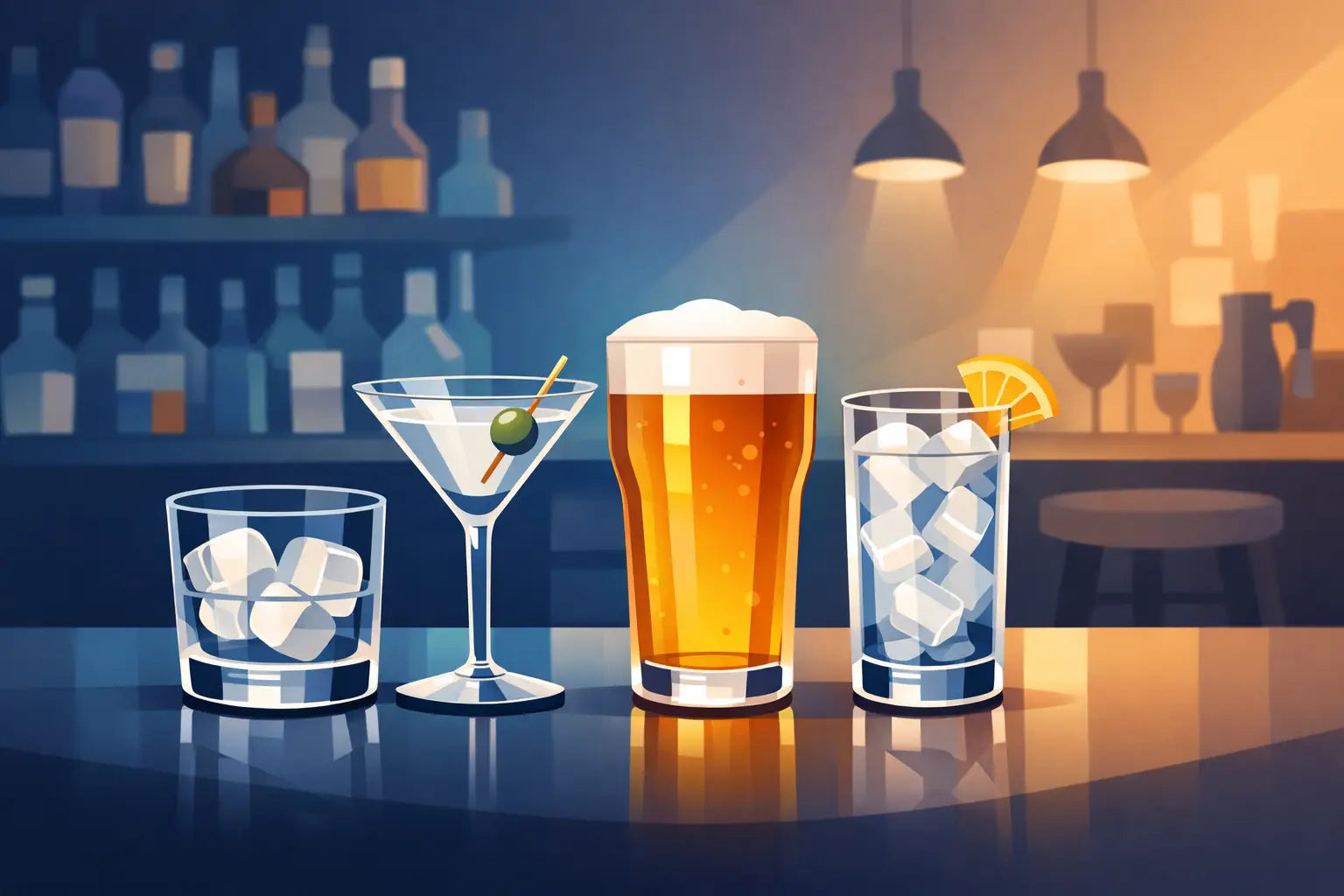
Some silhouettes are naturally better suited to fast, demanding environments. Rocks glasses and double old fashioned glasses usually perform well because they are compact, easy to handle, and versatile across spirits, stirred cocktails, and nonalcoholic serves. Highballs can also be excellent workhorses, especially when the base is weighted enough for stability but not so heavy that racks become cumbersome.
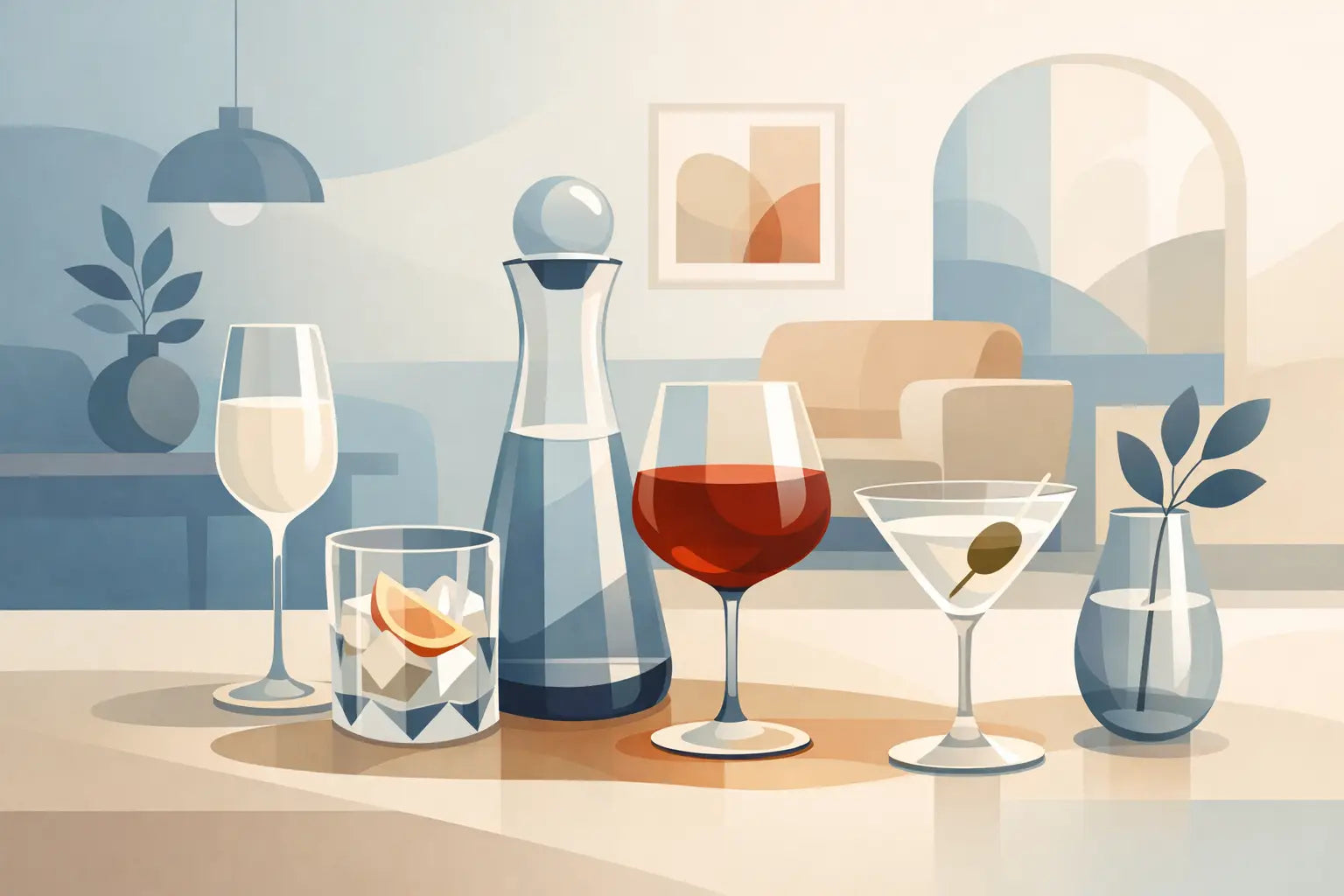
Stemmed glassware needs a more selective approach. Coupe glasses create a beautiful moment for up cocktails and sparkling serves, but the bowl-to-stem relationship matters. If the stem is too fine or the foot too light, breakage climbs quickly during polishing and transport. Wine glasses for by-the-glass programs should feel elegant, but they also need practical bowl dimensions and a stable base that can withstand dense table turns.
A useful rule is to reduce unnecessary SKU complexity. When one glass can serve multiple drinks without compromising the experience, the bar gains speed, storage efficiency, and a cleaner visual language. Collection-based sourcing helps here because it keeps proportions and design cues consistent across categories.
Design still matters - perhaps more than you think
In busy hospitality settings, function often gets treated as separate from aesthetics. The reality is that presentation is part of function. A well-designed glass frames the drink, supports aroma, feels balanced in the guest's hand, and reinforces the atmosphere of the room.
That is especially true for bars that want to feel elevated without becoming fussy. Modern geometry, clean profiles, and clear, light-catching material can make even a simple pour look more considered. A refined rocks glass can strengthen the visual identity of a classic cocktail menu. A cohesive wine and cocktail assortment can make the whole bar feel more intentional, even during peak service.
For that reason, durable glassware for busy bars should never be selected on survivability alone. The pieces also need to belong to the space. A casual patio concept may want a relaxed, unfussy silhouette. A design-forward restaurant bar may need sharper lines and more sculptural forms. The right choice is one that performs under pressure without losing the sense of occasion.
Questions to ask before you place a wholesale order
Before committing to a set, it helps to evaluate the glassware against real operating conditions. Think about how many times each piece will be handled in a single night, how it fits in existing dish racks, and whether the shape works with your menu now and six months from now.
It is also worth asking who will be using it most. Bartenders care about grip, weight, and speed. Servers notice balance and tray stability. Managers care about replacement cycles and case consistency. Guests, meanwhile, notice the silhouette, the sparkle, and whether the drink feels worth its price.
If possible, test a few pieces in service rather than making a decision from specs alone. The best glass on paper can still prove awkward in a tight well or unstable on a marble table. Operators who buy with both the guest view and the service view in mind tend to make better long-term choices.
Building a glassware program that lasts
A strong bar program does not need dozens of fragile specialty shapes to feel premium. It needs a disciplined edit. Start with your highest-volume drinks, then choose glassware that can absorb real use while preserving a cohesive look across the bar, dining room, and beverage photos.
That is where design-forward hospitality brands such as Angeleno Drinkware can offer a compelling advantage. When glassware is sourced as a collection rather than a random assortment, the result feels more curated from the first pour to the final table touch. That coherence has practical value. It simplifies purchasing, supports a stronger visual identity, and gives service a more composed rhythm.
The most successful bar glassware is not the most delicate, and it is not the most indestructible. It is the glassware that understands the room - the volume, the pace, the aesthetic standard, and the kind of experience the guest came for. Choose pieces that can take the pressure and still make every pour feel intentional. That is usually the difference between simply getting through service and serving with style.