Stemmed vs Stemless Wine Glasses
The moment you set the table, glassware starts speaking before the wine does. In the debate over stemmed vs stemless wine glasses, the real question is not which style is better in the abstract. It is which silhouette best supports the kind of experience you want to create - visually, practically, and socially.
For some hosts, that means a classic profile that brings polish to a dinner party. For others, it means a more relaxed shape that feels easy to reach for on a weeknight. In hospitality settings, the choice can affect not only presentation, but storage, handling, breakage, and how guests perceive the entire service ritual.
Stemmed vs stemless wine glasses: what actually changes?
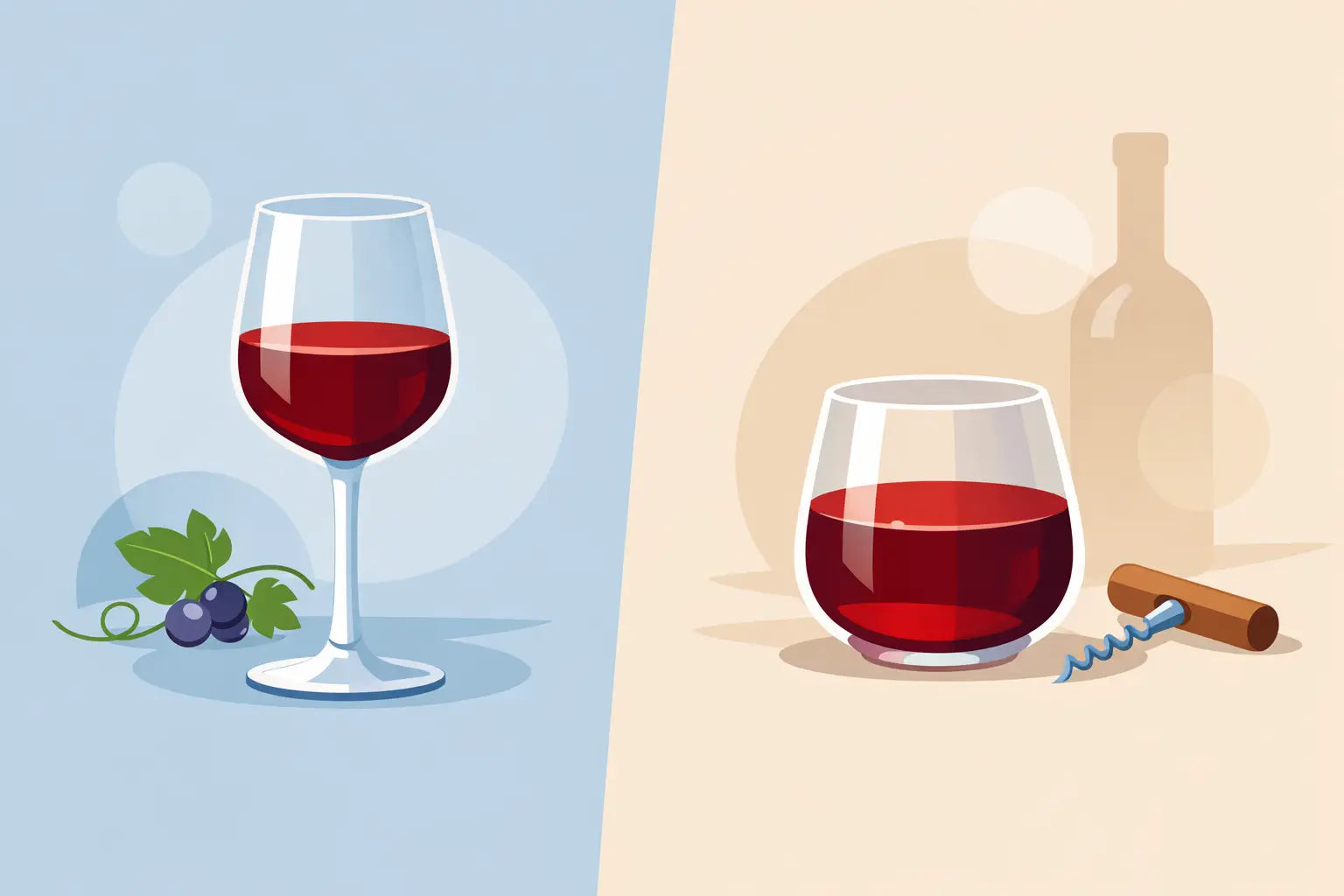
At a glance, the distinction seems simple. A stemmed glass separates the bowl from the base with a slender stem, while a stemless glass removes that middle element and sits directly in the hand or on the table. But that structural difference changes more than appearance.
A stemmed wine glass tends to feel formal, composed, and intentional. It has height, negative space, and a silhouette that instantly reads as traditional wine service. A stemless wine glass feels more contemporary. It is often lower, more grounded, and visually closer to modern tabletop design, especially in spaces where clean lines and casual luxury matter.
That difference in form affects temperature, grip, stability, storage, and mood. It also influences how a place setting photographs, how a bar cart reads from across the room, and how guests interact with the glass once it is poured.
Why stemmed wine glasses still define classic service
There is a reason stemmed wine glasses remain the standard in fine dining and formal entertaining. Holding the stem instead of the bowl helps reduce heat transfer from your hand, which is especially useful for whites, rosés, and sparkling wines that benefit from staying cooler longer.
There is also a performance element. A stem gives the drinker a natural place to hold the glass, making swirling easier and keeping fingerprints off the bowl. If visual clarity matters - and with wine, it usually does - a clean bowl better showcases color, texture, and movement.
From a design perspective, stemmed glassware brings vertical elegance to the table. It creates rhythm across place settings and adds a more refined architectural quality to the scene. For dinner parties, holiday tables, tasting events, and restaurants aiming for a more elevated guest experience, that extra height can make the entire setting feel more curated.
Of course, stemmed glasses are not perfect. They can feel more delicate, require a little more care in storage, and are often perceived as easier to knock over or break. In busy environments or smaller homes, that trade-off matters.
Best uses for stemmed glasses
Stemmed glasses are particularly well suited to formal entertaining, multi-course dinners, wine-forward service, and moments when presentation is part of the pleasure. They also make sense for anyone who enjoys varietal-specific pours or wants a table setting that feels distinctly polished.
Why stemless wine glasses became so popular
Stemless wine glasses entered the mainstream because they offer something many people want from modern drinkware: ease. They are approachable, versatile, and often feel less precious than stemmed glasses, even when the material and finish are every bit as premium.
For everyday use, stemless glasses can be genuinely convenient. They fit more comfortably in many cabinets, tend to feel sturdier in hand, and transition easily from casual dinners to outdoor entertaining. They also align with a more relaxed style of hosting, where the atmosphere is elevated but not rigid.
There is a visual advantage too. Stemless wine glasses can look especially strong in contemporary interiors because they feel understated and sculptural. On a minimalist table, the lower profile can create a cleaner line without sacrificing sophistication.
That said, stemless glasses come with their own compromises. Because the bowl is held directly, the wine can warm more quickly. The glass also picks up fingerprints more easily, which can slightly interrupt the pristine look many people want when serving wine.
Best uses for stemless glasses
Stemless glasses work beautifully for relaxed entertaining, apartment living, mixed-use drinkware collections, and hospitality settings that want a modern look with practical durability. They are also appealing for hosts who prefer pieces that feel intuitive and less ceremonial.
Design, mood, and table presence
The choice between stemmed and stemless is often less about rules and more about atmosphere. Stemmed glasses suggest occasion. They create a sense of ritual that can make a simple bottle feel more considered. If your hosting style leans toward layered table linens, candlelight, and composed place settings, stemmed glassware usually fits the mood.
Stemless glasses suggest ease, but ease does not mean lack of sophistication. In the right silhouette, a stemless glass can feel just as luxurious - only quieter. It complements a table that favors modern geometry, natural textures, and a more edited visual language.
For design-minded hosts, this is where the decision gets interesting. Glassware should not fight the room. It should support the broader environment, from dinnerware and flatware to lighting and the shape of the table itself.
Which is better for red, white, and sparkling wine?
If the question is purely technical, stemmed glasses have the edge for temperature-sensitive wines. White wine and sparkling wine generally benefit from less hand contact with the bowl, making stems the more traditional and often more functional choice.
For red wine, the gap narrows. Since many reds are served slightly warmer, a stemless glass can work perfectly well for casual drinking. The key is the bowl shape. A generous, thoughtfully designed bowl will matter more than dogmatic rules for most everyday wine drinkers.
If you regularly serve multiple wine styles and care about optimizing each pour, stemmed glasses offer more flexibility. If your approach is more lifestyle-driven and you want one beautiful all-purpose option, stemless may feel more natural.
Stemmed vs stemless wine glasses for hospitality
For restaurants, wine bars, hotels, and event spaces, the choice is rarely only aesthetic. Service flow matters. Storage matters. Replacement cost matters. So does the kind of impression left at the table.
Stemmed glasses often signal a more elevated service standard. They frame the pour with ceremony and can make the guest experience feel more premium, especially in full-service environments. For tasting menus, wine programs, or celebratory occasions, that visual language still carries weight.
Stemless glasses can make operational sense in faster-paced or more casual settings. They are often easier to store, easier to transport, and less intimidating for guests in high-volume environments. They also suit venues that want a contemporary identity rather than a traditional fine dining look.
For many operators, the strongest answer is not either-or. It is selecting the right silhouette for the concept. A rooftop lounge, boutique hotel, or design-forward cafe may benefit from stemless wine service in some contexts, while a formal dining room may still call for stems. Angeleno Drinkware approaches glassware the same way many strong hospitality brands do - as part of the visual language of service, not just the vessel itself.
How to choose for your home
If you are deciding for your own collection, start with how you actually entertain. Not how you imagine entertaining once a year, but how you host most often.
If you love dinner parties, care about traditional wine presentation, or want your table to feel elevated with minimal effort, stemmed glasses are hard to beat. They instantly sharpen the look of a place setting and make even a modest bottle feel a little more special.
If your style is more relaxed, your storage is limited, or you want glasses that can move easily from wine to spritzes to water without feeling out of place, stemless glasses may be the smarter choice. They tend to integrate more naturally into everyday life.
There is also the mixed-collection option, which is often the most practical and the most stylish. Stemmed glasses for dinners and celebratory pours. Stemless glasses for weeknights, outdoor settings, and casual gatherings. A well-built drinkware collection does not need to commit to one expression of elegance.
Material and silhouette matter as much as the stem
One final point often gets overlooked: a poorly designed stemmed glass will not outperform a beautifully balanced stemless one. The quality of the glass, the clarity of the material, the proportion of the bowl, and the way the rim meets the mouth all shape the drinking experience.
Lead-free crystal, for example, tends to offer a brighter, more refined visual finish than ordinary glass, along with a lighter hand feel that enhances the sense of occasion. Likewise, a stemless glass with a well-proportioned bowl can feel far more elevated than a bulky, generic stemmed option.
So when choosing between the two, look beyond the category label. Pay attention to silhouette, weight, clarity, and how the piece lives in your hand and on your table.
The best wine glass is the one that makes the moment feel more intentional, whether that means a tall stem catching candlelight across a dinner table or a stemless bowl that brings quiet sophistication to an ordinary Tuesday night.