Article: Lead Free Crystal for Restaurants That Performs
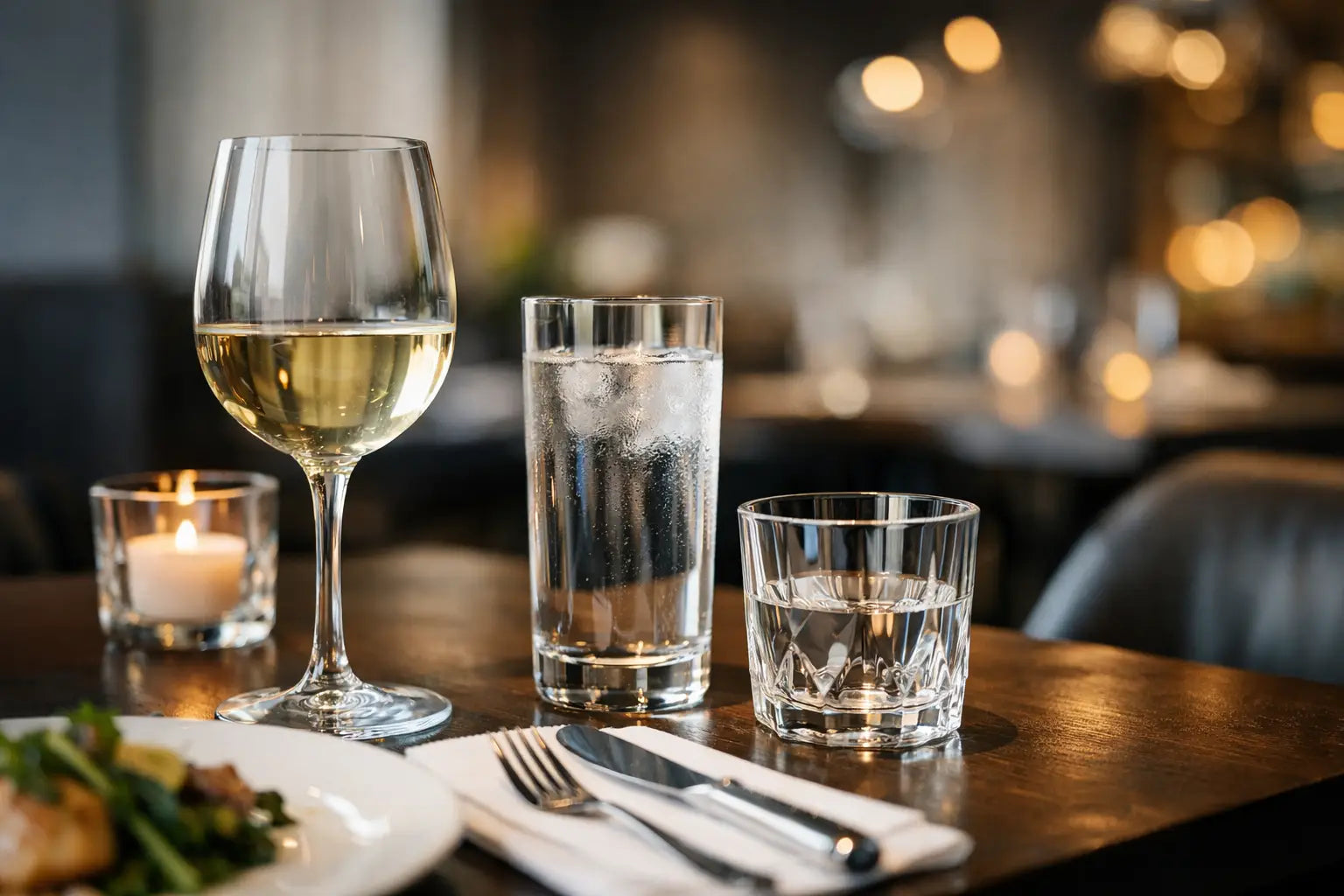
Lead Free Crystal for Restaurants That Performs
A wine program can be impeccably chosen, a cocktail beautifully built, and a dining room thoughtfully composed - then a heavy, cloudy, or poorly proportioned glass interrupts the experience at the table. Lead free crystal for restaurants gives hospitality teams a more considered alternative: glassware with the clarity and brilliance guests associate with crystal, designed for the pace and expectations of contemporary service.
For restaurants, bars, hotels, and cafés, the choice is not simply about selecting a vessel that holds a drink. Glassware shapes aroma, temperature, grip, presentation, and the perceived value of every pour. The right collection brings visual continuity to the room while giving staff pieces they can handle with confidence through a demanding service.
Why Lead Free Crystal Belongs in Modern Restaurants
Traditional lead crystal earned its reputation through its distinctive sparkle, weight, and ability to refract light. Lead-free crystal is made without lead oxide, using alternative mineral formulations that can deliver comparable brilliance and a refined, resonant feel. It offers a way to achieve a polished crystal presentation while aligning with the material preferences of many modern hospitality programs.
The appeal begins with clarity. In a bright dining room, a well-made lead-free crystal wine glass makes a pale Sancerre look luminous. At the bar, it allows the color and texture of a stirred cocktail to read cleanly. These are small visual details, but they are central to the guest's impression of care.
There is also a practical consideration. Restaurants increasingly want to understand the materials behind every item they place on the table, from dinnerware and cutlery to glassware. Choosing lead-free crystal supports a more intentional procurement standard without asking a beverage program to sacrifice elegance.
That does not mean every lead-free crystal glass performs identically. Mineral composition, wall thickness, rim finishing, stem construction, and manufacturing quality all affect how a glass looks and wears. The designation is a starting point, not a complete measure of quality.
The Restaurant Test: Beauty Must Work Hard
In a home setting, a beautiful glass might be used a few times each month. In a restaurant, it can move from dishwasher to shelf to table several times in a single day. That difference should guide the buying decision.
A restaurant-ready glass needs to feel balanced when carried on a tray, comfortable for guests to hold, and proportioned for the drinks it serves. A bowl that is too broad may make a modest wine pour appear sparse. A stem that is too delicate for the operation may lead to unnecessary replacement costs. A thick rim may be durable, but it can flatten the experience of a carefully selected Champagne or cocktail.
The best choices sit in the middle of those extremes. They have enough visual delicacy to feel special in the hand, with enough substance to support real service. This is where collection-based buying becomes especially valuable. When water glasses, wine stems, Champagne glasses, and cocktail vessels share a design language, the table looks composed even as menus and dayparts change.
Consider the pace of your service
A fine-dining tasting menu, a neighborhood wine bar, and a high-volume brunch operation have different needs. Fine dining may prioritize a thinner profile and specialized bowl shapes that enhance aroma. A bustling all-day restaurant may prefer versatile silhouettes that work across multiple wines and are easy for servers to clear, polish, and reset.
There is no universal “best” crystal glass. The right answer depends on the beverage program, average covers, dishwashing setup, storage space, and the level of handling a team can reasonably support. A glass that is too precious for the service style will not stay pristine for long.
Choosing Lead Free Crystal by Beverage Program
Start with the drinks guests order most often, rather than building a collection around every possible use case. A concise, well-chosen glass program tends to look more disciplined and is easier for staff to maintain.
For wine-led concepts, an all-purpose stem is often the foundation. Look for a generous bowl with enough space for swirling and a subtly tapered opening that helps direct aroma. This silhouette can serve many reds and whites gracefully, reducing the need for a separate glass for every varietal. Add a dedicated Champagne glass when sparkling wine is a meaningful part of the program, especially if the restaurant serves vintage Champagne, sparkling cocktails, or celebratory bottle service.
For cocktail programs, the glass should reinforce the drink's intention. A sleek coupe gives shaken drinks an elegant, celebratory profile. A substantial rocks glass makes an Old Fashioned or spirit-forward serve feel grounded and tactile. Taller drinkware suits highballs, spritzes, and nonalcoholic refreshments, where ice, effervescence, and garnish need room to perform visually.
Water glasses deserve equal attention. They are often the first piece a guest touches and the one that stays on the table throughout the meal. A clear, balanced tumbler can establish the room's visual language before the first course arrives. It should feel polished enough for dinner service while remaining useful for juice, iced tea, or a zero-proof aperitif during daytime hours.
Details That Signal Quality at the Table
A glass can appear beautiful online and still feel unremarkable in person. Before committing to a large restaurant order, evaluate samples under the actual conditions of your space. View them in daylight, under warm evening lighting, and against the colors of your tabletop. Fill them with the drinks you plan to serve. The goal is not only to inspect the glass but to see how it participates in the whole setting.
Pay particular attention to balance. A good stem should feel poised rather than top-heavy, and a tumbler should sit securely without feeling bulky. Examine the rim as well. A finely finished rim can make sipping feel more precise and refined, particularly with wine and sparkling drinks.
Consistency matters, too. Hospitality teams need pieces that stack, polish, carry, and replace predictably. Selecting a cohesive collection makes it easier to maintain that standard over time, instead of assembling a tabletop from unrelated shapes that compete for attention.
Angeleno Drinkware's Figueroa collection reflects this approach, pairing lead-free crystal clarity with modern geometry across cocktail, wine, Champagne, and beverage glassware. For operators, a coordinated collection can make the room feel more intentional without turning every service decision into a separate sourcing project.
Care Practices That Protect the Investment
Even durable lead-free crystal benefits from a disciplined care routine. The most common threats are not dramatic accidents but repeated small abrasions, harsh chemical exposure, improper rack loading, and rushed polishing.
Use glass racks that keep pieces from touching during the wash cycle, and make sure the dishwasher detergent and rinse aid are suited to your water conditions. Mineral-heavy water can leave spotting that obscures clarity, while an unsuitable chemical balance can gradually dull the surface. Staff should handle stems by the base or lower bowl when possible and polish with clean, lint-free cloths rather than using excessive pressure around the rim.
It is also wise to keep a modest par level of replacements on hand. This is not an admission that a glass program will fail. It is a way to preserve consistency when normal breakage occurs. A restaurant table loses some of its composed quality when one replacement glass is noticeably thicker, shorter, or different in color than the rest.
Make Every Pour Feel Considered
Lead-free crystal earns its place in a restaurant not because it is decorative, but because it makes the beverage experience feel complete. It gives a bartender's final garnish, a sommelier's selection, and a guest's first sip the setting they deserve.
Choose pieces that suit the rhythm of your service, train the team to care for them well, and let the collection carry a clear point of view. When the glass feels right in the hand and looks right under the room's light, the table quietly communicates that every detail was considered.