Crystal Glassware That Elevates Every Drink
The first impression of a drink happens before the first sip. Light catches a clean bowl, the rim meets the hand with just the right delicacy, and a familiar pour suddenly feels considered. Crystal glassware creates that shift. It gives a weeknight martini, a dinner-party red, or sparkling water at lunch the presence of a proper occasion without making the ritual feel precious.
For a home bar, dining table, café, or restaurant, the appeal is not simply shine. Well-designed crystal is an exercise in proportion, clarity, and touch. The right glass feels intentional in the hand, supports the character of the drink, and brings a cohesive point of view to the table.
What crystal glassware changes at the table
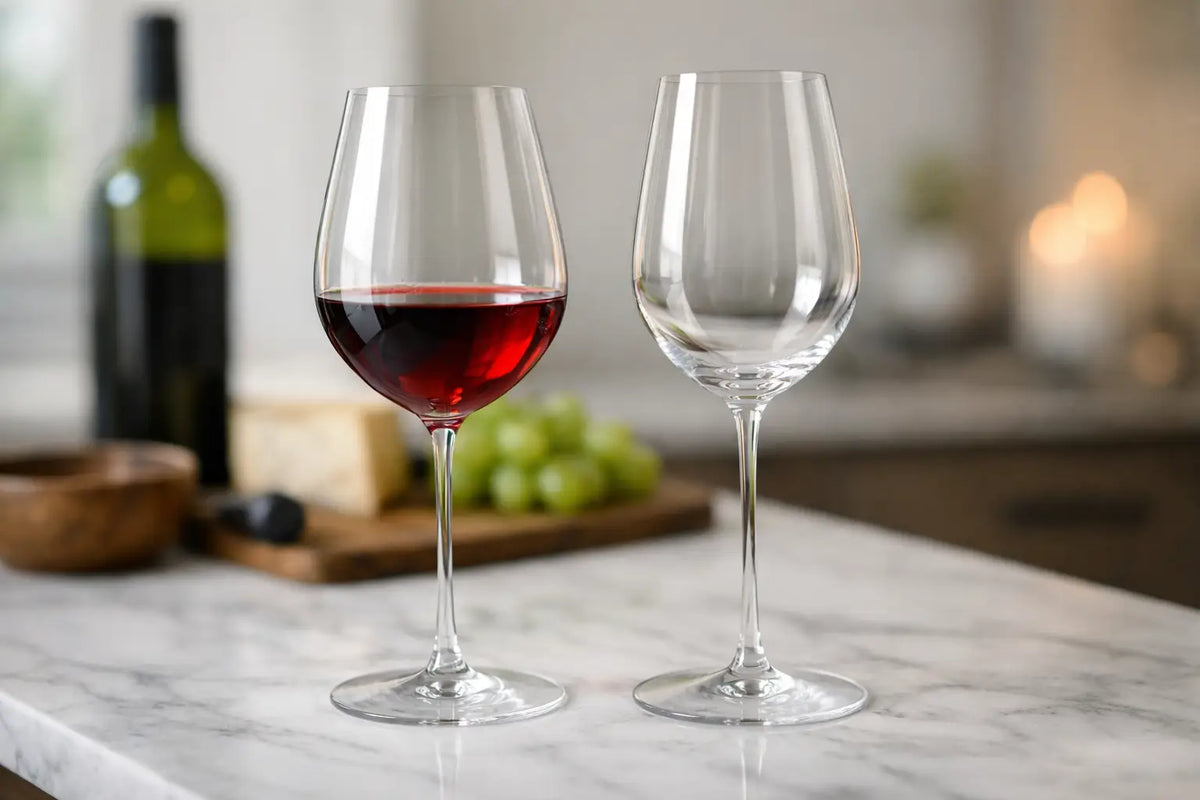
A thoughtfully chosen glass has visual authority. Crystal's clarity allows the color, carbonation, and texture of a beverage to become part of the presentation. A pale cocktail appears more luminous. Champagne bubbles feel more celebratory. The deep garnet of a red wine has room to show itself.
There is also a tactile difference. Crystal glassware is often made with finer walls and a more refined rim than basic drinkware, making the experience feel lighter and more precise. That does not mean every glass should be featherlight. A substantial base can make an old fashioned feel grounded, while a slender stem can make a coupe feel distinctly elegant. Good design balances these qualities rather than choosing one at the expense of the other.
For hospitality, that visual and tactile detail becomes part of service. Guests may not name the glass shape or material, but they register the care behind it. A cocktail arrives looking finished. A table setting feels more composed. In spaces where atmosphere carries as much weight as the menu, those signals matter.
Lead-free crystal offers modern practicality
Traditional crystal has long been associated with lead oxide, which contributes to brilliance and workability. Contemporary lead-free crystal offers a different route to the same elevated experience: exceptional transparency, a bright reflective quality, and a refined feel without relying on lead.
For many modern households and hospitality teams, lead-free crystal is the more natural choice. It delivers the polished appearance people expect from crystal while fitting an everyday entertaining style. A beautiful glass should not spend its life behind a cabinet door, waiting for a formal holiday. It should be ready for a Friday night aperitif, an afternoon iced coffee, or a table set for six with little notice.
Durability is still a matter of construction and care, not just material. Fine drinkware deserves mindful handling, especially around crowded sinks, hard stone counters, and stacked storage. Yet choosing a collection designed for regular use makes it easier to reach for the good glasses more often.
Brilliance is only part of the equation
The most compelling pieces do more than reflect light. Their silhouettes should also suit the drinks they hold. A wide coupe offers an expressive surface for shaken cocktails and sparkling pours, though it may not preserve carbonation as long as a narrow flute. A generous wine bowl gives aroma room to develop, but can feel oversized for a casual midweek pour.
These are not flaws. They are useful choices. The best glass is rarely the one that claims to do everything. It is the one that suits the way you serve, the drinks you return to, and the atmosphere you want to create.
How to choose crystal glassware for real life
Start with your most frequent ritual rather than an imagined formal dinner. If you make cocktails at home, prioritize a versatile rocks glass and a stemmed option for martinis, Manhattans, and Champagne cocktails. If wine anchors your entertaining, choose a balanced universal wine glass before building out more specialized shapes.
For smaller spaces, a coordinated collection is more useful than a crowded cabinet of one-off pieces. Repeating a silhouette across cocktail, wine, and beverage glasses creates continuity even when the menu changes. That visual rhythm is particularly effective for open shelving, bar carts, and tables where the drinkware remains part of the room's design.
Consider scale with care. Oversized glassware can be dramatic, but it should still feel comfortable in the hand and practical on the table. A low tumbler should leave enough room for a large cube and garnish without forcing an overfilled pour. A wine glass should have a bowl generous enough for swirling, yet a stem and base proportioned for a stable, relaxed grip.
For restaurants and cafés, capacity and consistency deserve equal attention. A glass that photographs beautifully but creates strain for busy staff is not a complete solution. Look for pieces that can move confidently through repeated service, fit the beverage program, and maintain a unified visual language across the bar and dining room.
Shape, rim, and weight matter more than decoration
Cut crystal has undeniable occasion value, particularly when a table calls for ornate texture and old-world glamour. But modern crystal glassware often makes its statement through cleaner lines. Faceted bases, soft curves, crisp angles, and modern geometry can feel just as luxurious as elaborate patterning while working more easily with contemporary interiors.
The rim is one of the smallest details and one of the most felt. A fine, polished rim keeps the drinking experience focused on the beverage rather than the vessel. It is especially meaningful for wine, Champagne, and spirit-forward cocktails, where the glass should guide the pour gracefully rather than announce itself with bulk.
Weight should be deliberate too. Stemware benefits from visual lightness, while a rocks glass can carry a satisfying sense of substance. Neither approach is inherently better. The question is whether the weight supports the purpose of the piece. A dense base can give a short cocktail glass confidence; too much thickness around the rim can make even an excellent drink feel less refined.
Styling a more considered pour
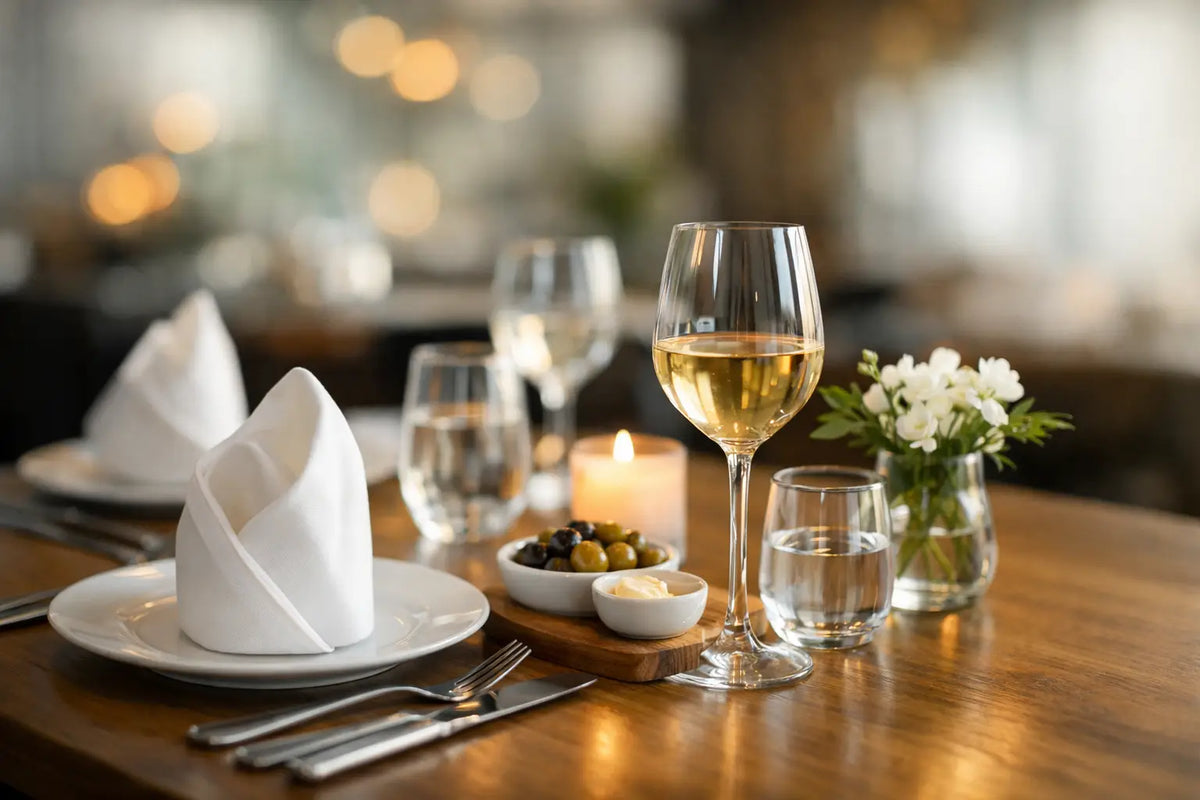
Elevated drinkware does not require a fully styled bar cart or a ten-step cocktail recipe. A few quiet details can change the mood: a clear ice cube in a sculptural tumbler, a citrus twist cut with intention, a linen napkin beneath a wine glass, or a carafe of water set alongside dinner.
Crystal also rewards restraint. Let the glass, the beverage, and one thoughtful garnish do the visual work. When every element competes, the experience can feel staged. When the shapes are clean and the colors are allowed to stand out, even a simple sparkling water with a lemon wheel takes on a more curated presence.
This is where collection-based drinkware has an advantage. Matching or complementary forms bring order to a mixed menu. A coupe, wine glass, and tumbler can each serve a different purpose while still looking like they belong at the same table. The result feels polished without feeling overly formal.
Caring for crystal without treating it like a museum piece
Regular use calls for a care routine that is careful, not complicated. Rinse glasses soon after use when possible, especially after red wine, citrus, dairy-based cocktails, or sugary mixers. Wash with warm water and a gentle detergent, avoiding abrasive sponges that can dull a brilliant finish over time.
Handwashing is often the most cautious choice for fine crystal, particularly for stemware and pieces with delicate edges. If a glass is labeled dishwasher-safe, give it space in the rack and avoid crowding, where movement can lead to chips. Let pieces cool before handling after a heated cycle, and store them upright when the rim is especially fine.
For water spots, a soft lint-free cloth is usually enough. Polish the bowl and base with separate areas of the cloth, and avoid twisting the bowl against the stem. These small habits preserve clarity while keeping the collection in active rotation.
A beautiful glass does not ask for a grand event. It asks for a drink worth noticing. Set out the crystal, pour with a little more care, and let the ordinary ritual meet the standard you would usually save for guests.