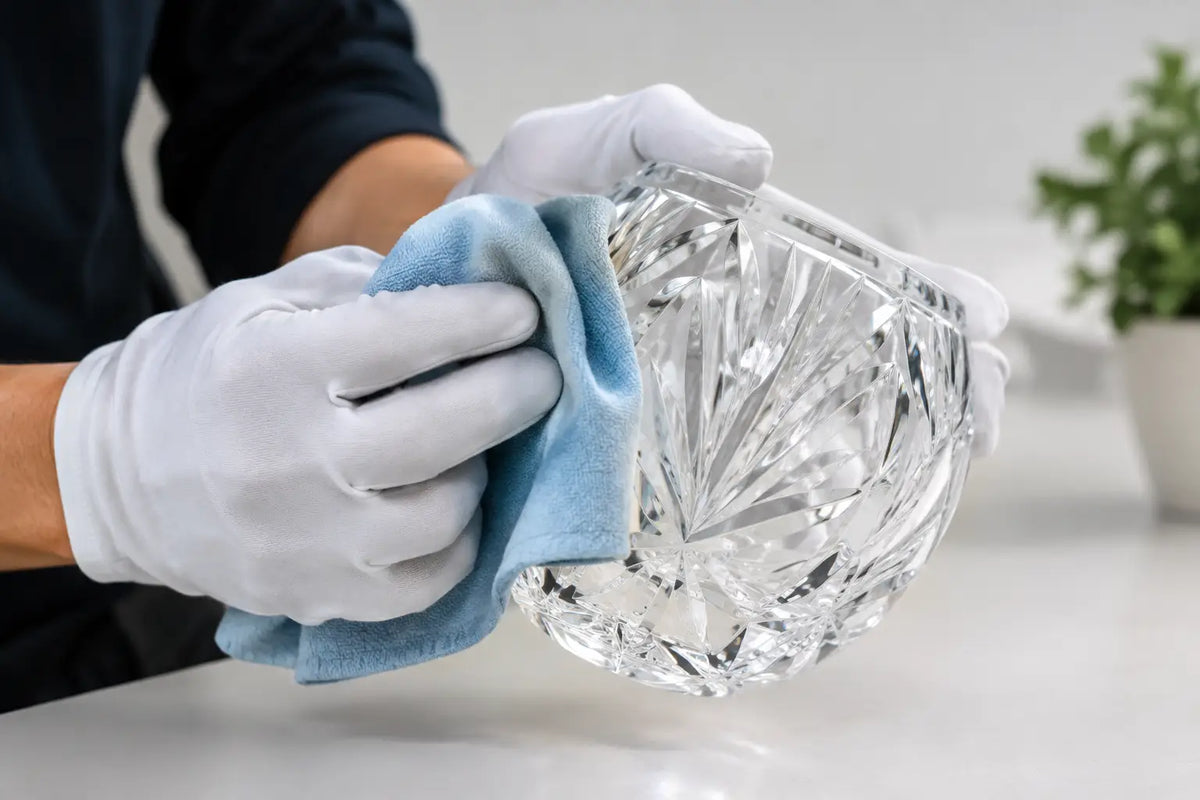
Crystal Glass Polishing for a Clearer Finish
A beautiful cocktail can lose some of its theater when it arrives in a glass veiled by water spots, fingerprints, or a dull film. Crystal glass polishing is less about making glass look artificially perfect and more about preserving what made the piece compelling in the first place: brilliant clarity, a fine rim, and a silhouette that gives every pour a more considered presence.
Whether you are setting a dining table for friends or preparing barware for a busy service, the right technique matters. Crystal is luminous because of its clarity and light-reflecting qualities. Treating it with rough cloths, abrasive powders, or rushed cleaning habits can leave faint scratches that interrupt that polished finish.
Start by identifying what is clouding the glass
Not every dull-looking glass needs the same treatment. Before reaching for a polishing cloth, look closely at the surface in natural light. If the haze disappears when the glass is wet but reappears as it dries, mineral deposits from hard water are the likely cause. If it remains visible while wet, you may be seeing scratches or permanent etching instead.
A greasy or smudged appearance is usually simpler. Lip balm, cocktail garnish oils, and lingering detergent can leave a film that softens the glass's sparkle. This type of residue typically responds well to a gentle wash followed by careful drying.
Etching is different. It can occur when glassware is washed repeatedly in a harsh dishwasher cycle, exposed to overly alkaline detergent, or allowed to rub against other pieces. Once the surface itself has been altered, polishing may improve its appearance slightly, but it cannot fully restore the original clarity. Knowing the difference prevents unnecessary effort and helps you choose the right care routine going forward.
The refined approach to crystal glass polishing
For everyday polishing, restraint is the luxury. Use a clean, lint-free microfiber cloth or a dedicated glass polishing cloth with no fabric softener residue. These materials lift moisture and fingerprints without dragging particles across the surface.
Begin with glassware that is clean but still slightly warm from rinsing, or lightly mist the exterior with clean water if it has fully dried. Hold the bowl securely in one hand and polish with the other, using smooth, light motions rather than forceful pressure. Work from the bowl toward the rim, then finish the stem and base.
Avoid gripping a stemmed glass by the bowl while twisting the base. That motion can put stress on the stem, particularly with delicate wine and champagne shapes. Instead, support the bowl and base independently. It takes a few extra seconds, but it is a far more graceful way to care for finely made drinkware.
For a flawless final pass, inspect the glass from several angles. The goal is not to chase every reflection obsessively. It is to remove visible moisture, smudges, and lint so the glass feels crisp in the hand and clear at the table.
A simple routine for mineral spots
Hard-water marks are common, especially in areas where tap water leaves a visible white residue on fixtures and dishware. A diluted white vinegar solution can help dissolve these deposits. Mix equal parts white vinegar and warm water, then briefly soak the affected area or wipe it with a soft cloth dampened in the solution.
Rinse thoroughly with warm water afterward. Vinegar should not remain on the glass, and it should never be paired with abrasive scrubbers. Dry and polish promptly with a lint-free cloth to prevent new spots from forming.
For narrow champagne flutes or tall beverage glasses, avoid forcing a cloth deep into the bowl with your hand. Wrap the cloth loosely around a soft, nonabrasive tool if necessary, and use a gentle motion. Pressure inside a narrow vessel is an unnecessary risk.
How to remove fingerprints and bar-service haze
At a dinner party or behind the bar, fingerprints tend to return at precisely the wrong moment. The quickest correction is usually a clean microfiber cloth reserved only for glassware. If a dry polish does not lift the mark, dampen one corner of the cloth with water, wipe lightly, then buff dry with a separate dry section.
Do not reach for window cleaner. Many formulas contain additives, fragrances, or dyes that are not designed for drinkware and can leave residue. The same goes for paper towels, which can shed lint and feel unexpectedly abrasive on a delicate surface.
What not to use on crystal glass
The products that promise instant shine often create the most trouble over time. Crystal glass polishing should never involve scouring pads, powdered cleansers, toothpaste, or gritty baking soda pastes. Even when they appear gentle, they can leave micro-scratches that scatter light and make the surface look less clear.
Skip metal polishes as well. Crystal glass is not silver or brass, and formulas made for those materials are inappropriate for a drinking surface. Strong degreasers and bleach should stay out of the process for the same reason.
Heat deserves caution, too. Extreme temperature changes can stress glass. Do not move a chilled glass directly into hot water, and do not wash a warm-from-service glass under very cold water. Let it return closer to room temperature first.
Washing habits that make polishing easier
The best polish begins before the cloth comes out. Wash crystal soon after use so wine tannins, citrus, coffee, and cocktail sugars do not dry onto the surface. Use warm, not hot, water and a small amount of mild, unscented dish soap. Rinse well, because detergent film is one of the most common reasons glassware loses its clean brilliance.
Handwashing is the safer choice for stemware and pieces with a particularly refined rim. A dishwasher can be practical for some lead-free crystal glasses if the manufacturer specifically says it is dishwasher safe, but the trade-off is cumulative wear. Heat, minerals, detergent chemistry, and glass-to-glass contact can all reduce clarity over time.
If you choose the dishwasher for durable everyday pieces, give each glass room. Do not let bowls touch, use a gentle cycle, and remove the pieces promptly when the cycle ends. A quick hand polish after drying can make a meaningful difference in presentation.
For hospitality settings, establish a dedicated glass-care station: clean towels separated from general kitchen towels, filtered or softened rinse water where possible, and enough drying space that staff do not stack freshly washed pieces. This is a small operational detail with an outsized effect on the guest's first impression.
Storage protects the finish between occasions
A polished glass can lose its clarity in the cabinet if it is stored carelessly. Keep glasses upright when space allows, particularly stemware. Storing them rim-down may seem protective, but it can trap moisture and place pressure on the most delicate part of the glass.
Choose a clean, low-dust shelf away from cooking grease and steam. If your collection is used less often, a breathable cloth cabinet liner can soften contact with the shelf. Avoid wrapping everyday glasses tightly in paper or plastic, which can trap humidity and transfer odors.
For a curated collection, consistency also elevates the visual result. Matching wine glasses, cocktail coupes, and beverage vessels create an intentional rhythm on open shelving and at the table. Angeleno Drinkware designs its lead-free crystal collections with that kind of cohesive presentation in mind, but the same principle applies to any glassware you choose to keep in view.
When polishing cannot fix the problem
A glass that looks permanently foggy may be etched rather than dirty. A fingernail dragged lightly across the surface can sometimes reveal roughness, and a cloudy finish that does not improve after washing and vinegar treatment is another clue. At that point, aggressive polishing will only risk further damage.
Small scratches are often less noticeable when the glass is filled, especially with wine, sparkling water, or a well-garnished cocktail. For sentimental or especially valuable crystal, professional restoration may be worthwhile. For hardworking everyday barware, replacement can be the more sensible decision when the clarity no longer supports the experience you want to serve.
A polished glass is a quiet form of hospitality. It catches candlelight, frames the color of a pour, and tells a guest that the details were considered. Keep the method gentle, keep the cloth clean, and let the glass do what it was designed to do: make an ordinary drink feel beautifully composed.