Why Do Wine Glasses Matter for Every Pour?
A chilled bottle can be beautifully chosen, the menu perfectly timed, and the table thoughtfully set. Yet if the wine arrives in a thick, squat tumbler or an oversized bowl that loses its cool within minutes, the experience shifts. Why do wine glasses matter? Because the vessel influences how a wine smells, tastes, feels, and looks before the first sip has even settled.
That does not mean every Tuesday-night pour requires a cabinet of highly specialized glassware. It does mean a well-designed wine glass earns its place at the table. The best ones make wine more expressive while lending a sense of intention to the ritual, whether you are hosting six friends or opening a bottle for two.
Why Do Wine Glasses Matter Beyond the Table?
Wine is unusually dependent on aroma. Much of what we call flavor comes through the nose, not just the tongue, and a glass gives those aromas a place to gather. A broad bowl creates surface area for the wine to meet oxygen, while a gently narrowed opening helps direct its fragrance upward rather than letting it disappear into the room.
This is why the same bottle can feel more vivid in one glass than another. A properly proportioned bowl may reveal citrus, herbs, dark fruit, florals, or spice that seemed muted in a smaller, straight-sided vessel. The wine itself has not changed. Your ability to experience it has.
Shape also guides the pour across the palate. The rim affects where the wine first lands, and the bowl influences how naturally you tilt the glass as you drink. These details are subtle, but they can make a bright white feel more focused, a red feel rounder, or a sparkling wine feel more precise.
Then there is temperature. Stemmed glasses allow you to hold the vessel without warming the bowl with your hand. That matters most for whites, rosés, and sparkling wines, which can lose their freshness when they warm too quickly. A stem also keeps fingerprints away from the bowl, preserving the clean visual clarity that makes the color of a wine part of the presentation.
The Bowl Is a Design Decision
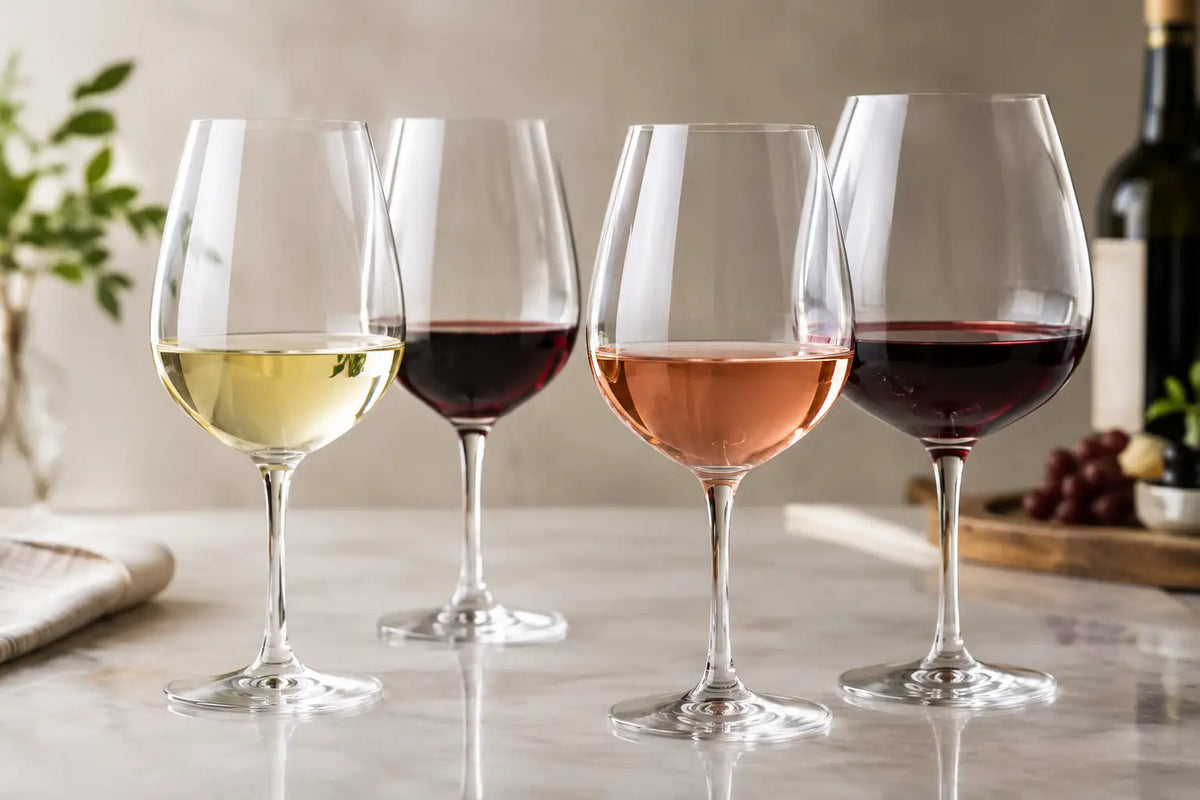
The bowl is where function and silhouette meet. A glass with a larger bowl is often associated with fuller-bodied red wines because it offers more room to swirl and aerate. Cabernet Sauvignon, Syrah, and Bordeaux-style blends can benefit from that extra space, particularly when they are young or freshly opened.
A slightly smaller bowl works beautifully for wines that need to stay cool and crisp. Sauvignon Blanc, Pinot Grigio, dry Riesling, and many rosés feel at home in a glass with a more contained profile. The shape keeps the wine composed while still allowing its aromatics to rise.
For sparkling wine, the traditional flute remains elegant and celebratory, especially when the goal is to preserve bubbles and create a formal, vertical line on the table. But a tulip-shaped sparkling glass often gives Champagne and other fine sparkling wines more room to show their aroma. The choice depends on the moment: a flute favors visual drama and effervescence, while a broader tulip favors a more complete tasting experience.
There is no need to treat these distinctions as rigid rules. A versatile, medium-sized wine glass can serve red, white, and rosé with ease, especially in a home where storage matters. The goal is not to turn a dinner party into a test of technical correctness. It is to choose glassware that supports the wine and suits the way you actually entertain.
A Fine Rim Changes the Feel of a Sip
A wine glass communicates quality through touch as much as sight. Thin, carefully finished rims feel lighter against the lips and keep the transition between wine and palate unobtrusive. Thick rims can make even an elegant pour feel more casual or heavy-handed.
This is one reason lead-free crystal has become a compelling choice for contemporary drinkware. It offers notable clarity and a refined, lightweight feel without relying on lead. When well made, it brings a luminous, polished quality to the table while remaining practical enough for regular use.
Weight matters, too. A glass should feel balanced in the hand, not fragile to the point of anxiety or so heavy that it becomes cumbersome. The ideal is a considered sense of presence: substantial enough for everyday confidence, graceful enough to make a simple pour feel elevated.
Stemmed or Stemless: Choose for the Occasion
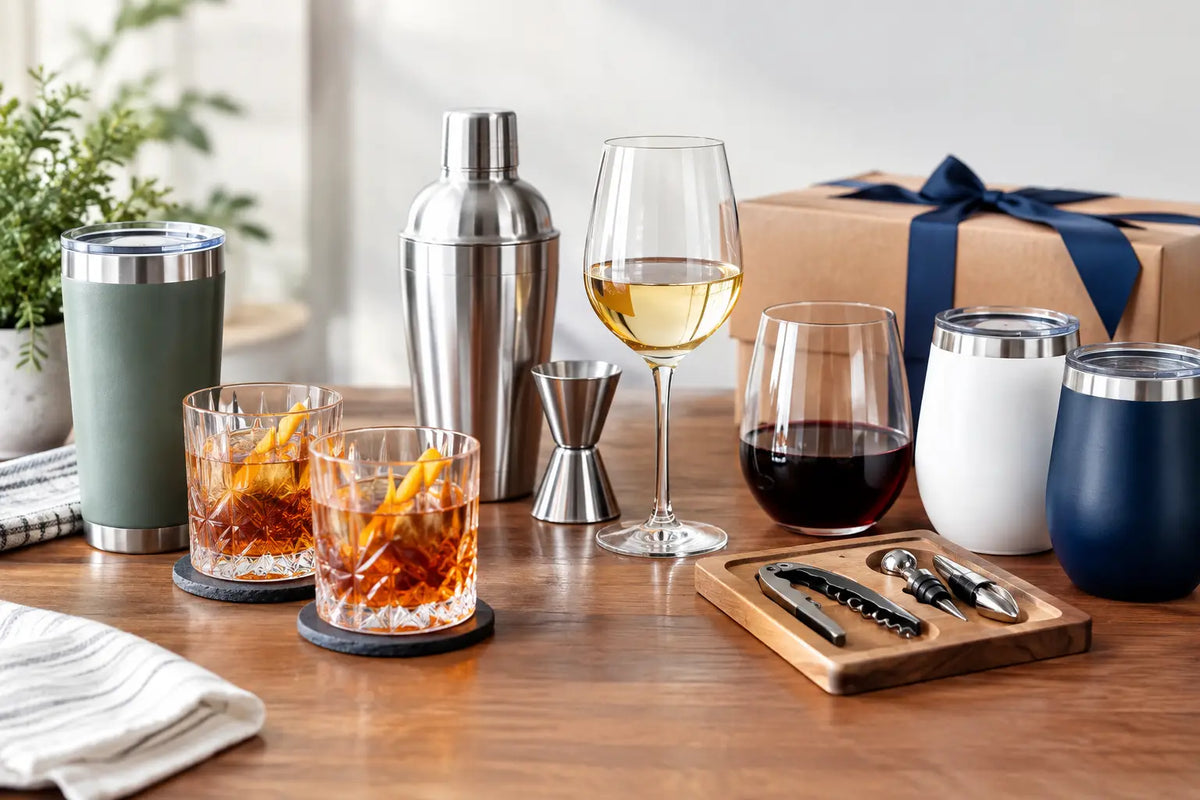
Stemless wine glasses have a relaxed, modern appeal. They are easy to store, less likely to tip, and useful beyond wine for water, cocktails, or casual outdoor gatherings. Their compact profile can work particularly well in apartments, on smaller tables, and during low-key meals where ease is part of the charm.
The trade-off is temperature. Holding a stemless glass naturally warms the wine, and frequent contact can leave fingerprints across the bowl. For chilled wines or a more formal setting, stemmed glassware offers a clear advantage. It keeps the wine cooler, highlights the color, and creates the poised table presence many people want for dinner parties and celebrations.
For hospitality settings, the decision also involves service style. A restaurant serving crisp whites by the glass may favor stemmed pieces for temperature control and polish. A busy patio program may prefer a sturdy stemless option for its stability and versatility. Neither choice is universally better. The right glass supports the pace, menu, and visual language of the space.
Glassware Shapes the Mood of a Gathering
Wine glasses do more than perform a technical job. They establish a visual rhythm across the table. Their proportions interact with plates, linens, candlelight, and the color of the wine itself. A cohesive set of glassware can make even a simple pasta dinner feel more curated, while mismatched vessels can bring an intentionally collected, relaxed character to a casual meal.
That visual impact matters at home and in hospitality. Guests may not describe a glass by its bowl-to-rim ratio, but they notice when a table feels considered. They notice the way light catches clear crystal, the clean geometry of a silhouette, and the confidence of being served in something that feels made for the occasion.
This is where collection-based glassware has particular appeal. When wine glasses, champagne coupes, cocktail pieces, and water glasses share a common design point of view, the table feels composed without becoming overly formal. Angeleno Drinkware approaches glassware as part of that larger visual story: functional pieces designed to create a more refined daily ritual.
How to Build a Better Everyday Wine Glass Collection
If you are starting from scratch, begin with a versatile stemmed wine glass rather than chasing a different shape for every grape. Look for a clear bowl with enough room to swirl, a gently tapered opening, a comfortable stem, and a stable base. This one shape can carry most dinners, celebrations, and gifts with ease.
From there, add based on how you drink. If sparkling wine is a fixture at birthdays, brunches, or end-of-week celebrations, choose a dedicated sparkling glass. If you regularly serve structured reds, a larger bowl can become a worthwhile second shape. If you entertain outdoors or prefer a more relaxed tabletop, add stemless glasses as a complement rather than a replacement.
Consider care before committing. Delicate-looking glassware can still be suitable for frequent use, but check whether it fits your approach to washing, storage, and service. For a restaurant, café, or event program, durability and replacement consistency may matter as much as silhouette. For a gift or a home bar, the emotional lift of a beautifully proportioned piece may be the deciding factor.
Most of all, use the glasses you love. Fine glassware should not wait for a holiday or a guest list. Pour a weekday red into a glass that lets it open. Set out a pair for takeout and candlelight. The right vessel does not make the occasion meaningful on its own, but it gives you a graceful reason to notice the moment already in front of you.