Restaurant Glassware That Earns Its Place
A perfectly chilled martini can lose some of its allure in a thick, scratched coupe. A thoughtful pour of sparkling water feels more generous in a clear, well-proportioned tumbler. Restaurant glassware is not background equipment. It is one of the first tactile signals a guest receives about the care behind the table.
For restaurants, bars, cafés, and hospitality spaces, the right glassware has to work harder than a beautiful home collection. It must withstand repeated washing, move confidently through a fast service, complement the menu, and still look composed under dining room light. The strongest selections make all of that feel effortless.
Restaurant Glassware Sets the Tone Before the First Sip
Guests may not name the silhouette of a wine glass or measure the clarity of a highball, but they notice the overall effect. A cohesive glass program creates visual order across the table, reinforcing the same point of view expressed through lighting, linens, menus, and plating. It turns beverages from an afterthought into part of the restaurant's presentation.
This matters because drinks occupy the table from the opening greeting through the final course. Water glasses frame every place setting. Wine stems catch candlelight. A cocktail vessel can make a familiar recipe feel signature. When each piece belongs to a considered collection, the room feels more intentional without becoming overly formal.
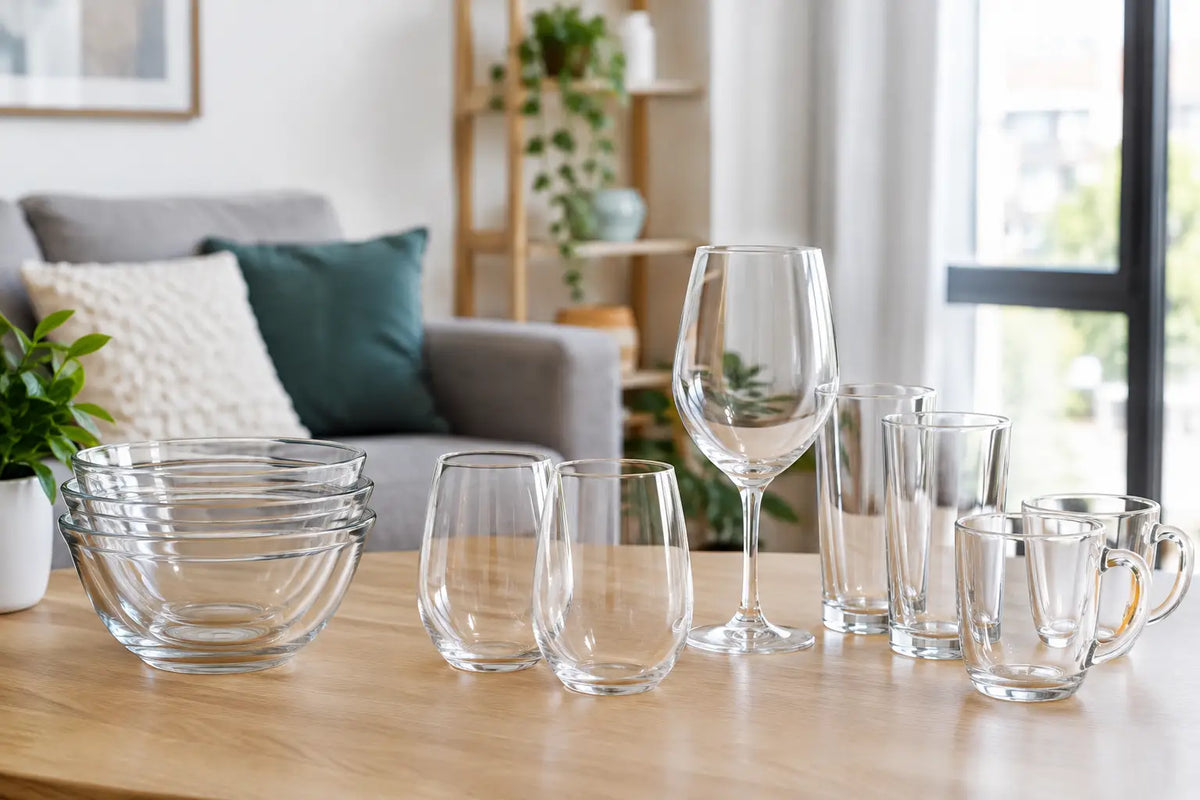
There is also a practical guest experience at stake. A glass should feel balanced in the hand, offer a comfortable rim, and suit the drink it carries. A broad bowl gives aromatic wines room to open. A tall, straight-sided highball preserves the refreshing visual of ice and carbonation. A coupe creates a more celebratory moment for cocktails served up, while a rocks glass gives spirit-forward pours a grounded, tactile presence.
Start With the Beverage Program, Not a Trend
The most successful restaurant glassware programs are built around how the operation actually serves. It is easy to be drawn to dramatic shapes online, but a glass that photographs beautifully may prove awkward on crowded trays or difficult to store beneath the bar. Design should lead the decision, but it should not be separated from service reality.
Begin with the drinks that appear most often and the moments that matter most to the concept. A wine-driven dining room may need versatile stems that flatter reds, whites, and sparkling wine without creating a crowded back-of-house inventory. A cocktail bar may prioritize coupes, Nick and Nora glasses, highballs, and rocks glasses with enough distinction to support its menu. A daytime café may need all-purpose beverage glasses that feel elevated alongside porcelain espresso cups and cappuccino service.
Consider these four questions before narrowing a collection:
- Which beverages generate the highest volume, and what vessel presents each one at its best?
- How much shelf, rack, and bar-well space can the operation realistically give to glassware?
- Will the glass be carried on trays, cleared quickly, or used in a high-turnover setting?
- Does its silhouette align with the room's material palette, from relaxed coastal to polished urban dining?
Choose Proportions That Serve the Drink
Capacity deserves more attention than it usually receives. A glass should provide enough room for the intended pour, ice, garnish, or foam while leaving considered negative space at the top. Overfilling can make even a premium cocktail look hurried. A vessel that is too large can make an appropriate pour feel sparse.
For wine, bowl shape affects both aroma and visual generosity. For cocktails, weight and opening diameter influence the rhythm of the sip. For nonalcoholic beverages, clear glass lets fresh citrus, herbs, and carbonation become part of the presentation. These details are not precious. They influence whether a drink feels finished when it reaches the guest.
Material and Durability Are Part of the Design Brief
Hospitality glassware faces a different life than a glass brought out for a dinner party. It goes from rack to dishwasher to tray to table, often several times a day. Durability therefore belongs in the earliest conversation, not in the fine print after a design decision has been made.
Lead-free crystal offers exceptional clarity and a refined, resonant feel that can elevate wine and cocktail service. It is particularly compelling for restaurants where the beverage program is central to the guest experience. Modern lead-free crystal can also be a practical choice when produced for regular use, though every operation should follow the maker's care guidance and consider its own washing conditions.
Standard soda-lime glass can be a sensible option for high-volume water service, casual beverage programs, or spaces where replacement pressure is intense. It may not deliver the same brilliance or delicacy as crystal, but the trade-off can be right for the concept. There is no universal winner. The best material is the one that supports the level of presentation guests expect while meeting the pace and budget of the operation.
Pay attention to rim thickness, the join between stem and bowl, the stability of the base, and the glass's overall balance. A stem that looks graceful but feels vulnerable in a server's hand can create an expensive operational problem. Conversely, overly heavy pieces may survive service yet undermine a menu built around lightness, detail, and refined indulgence.
Build for Washing, Storage, and Replacement
A beautiful glassware program should be manageable at 11 p.m. on a busy Saturday. Confirm whether pieces fit standard dish racks, stack safely where appropriate, and clear the dishwasher without excessive spotting or moisture trapped in narrow forms. The simplest operational details often determine whether a collection continues to look pristine over time.
Replacement availability matters, too. Glassware breaks. A collection with a consistent visual language and accessible replenishment protects the investment in the room. Instead of gradually collecting mismatched substitutes, the restaurant can preserve the look that guests recognize.
Make the Table Feel Curated, Not Overdesigned
Cohesion does not require every vessel to match exactly. It means the pieces speak the same visual language. Modern geometry, soft curves, crisp rims, or quietly weighted bases can each establish a point of view. What matters is that wine stems, cocktail glasses, water vessels, and coffee service do not compete with one another.
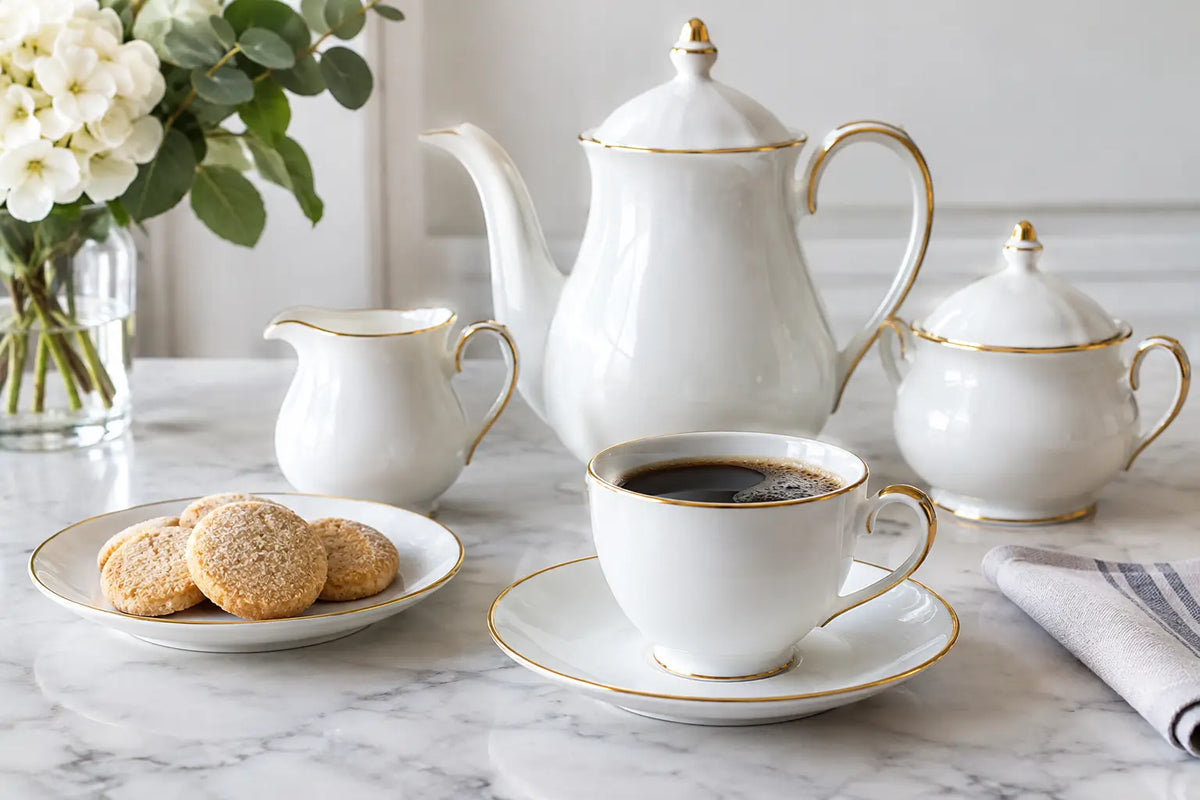
For a contemporary dining room, clean lead-free crystal with purposeful proportions can bring polish without feeling ceremonial. Pair it with porcelain espresso and cappuccino cups that carry a complementary silhouette, and the experience remains considered through dessert. At Angeleno Drinkware, that collection-minded approach is central: drinkware is designed to read as part of the setting, not as a series of isolated purchases.
Color can be used sparingly and strategically. Clear glass remains the most flexible choice for showcasing beverages and adapting to seasonal menus. Tinted or textured pieces can create memorable visual identity, but they work best when the beverage, lighting, and tableware allow them room to perform. In a dim room, heavily colored glass can obscure a carefully composed drink. In a bright, graphic setting, it may be exactly the detail that makes the table distinctive.
Train the Team to Protect the Experience
Even exceptional glassware loses its impact when it arrives with water spots, lipstick marks, or a chipped rim. Service standards should include a final visual check before drinks leave the bar and before tables are reset. Polishing cloths, appropriate rack loading, and clear handling expectations preserve both the glass and the guest's perception of it.
Staff education also helps the beverage program land as intended. A server who understands why a particular wine is served in a larger bowl or why a cocktail belongs in a coupe can present it with quiet confidence. The explanation does not need to become a lecture. A few precise words can make a guest feel that the details were chosen for a reason.
Thoughtful restaurant glassware brings hospitality into focus through the small moments guests hold in their hands. Choose pieces that can meet the demands of service, then let their clarity, proportion, and presence make every pour feel worth pausing for.