How to Choose Durable Cafe Cups
The fastest way to make a beautiful coffee service feel careless is with the wrong cup. Chips at the rim, heat that scorches the hand, a shape that stacks poorly during rush hour - these details show up quickly in a café and just as quickly at home when your daily ritual gets real use. If you are figuring out how to choose durable cafe cups, the answer is not just thicker walls or a heavier feel. Durability is a balance of material, form, finish, and the way the cup lives in service.
A good café cup should survive repeat use without looking industrial or uninspired. It needs to feel refined in the hand, hold temperature well, move cleanly from machine to table, and still look composed after months of washing, stacking, and constant circulation. That is where thoughtful selection matters.
How to choose durable cafe cups without sacrificing style
Many buyers make the same early mistake - they treat durability and presentation as separate decisions. In practice, they are the same decision. A cup that looks elegant but chips easily is expensive to keep replacing. A cup that lasts forever but feels clunky can flatten the guest experience and make a carefully designed café feel generic.
The strongest choices usually come from porcelain or high-fired ceramic. These materials offer a more polished balance of resilience, heat retention, and visual presence than many lower-cost alternatives. Porcelain, in particular, has a density and refinement that works beautifully in café settings because it can feel crisp and elevated while still handling daily use. It also tends to present coffee with a cleaner, brighter look on the table, which matters more than people think when drinks are part of the overall brand impression.
Stoneware can also work, especially if the concept leans more rustic or handmade in mood. But it often comes with more visual variation and additional weight. That can be a feature in some spaces and a drawback in others. If staff are carrying full trays all day, weight starts to matter.
Start with the material, then the firing quality
A cup can look substantial and still be fragile. What matters is how well the material is made, not just how it feels in a quick pickup. High-fired porcelain and well-crafted ceramic tend to resist chipping better because of their density and finish. They also hold up more consistently through dishwashing and temperature shifts.
Look closely at the glaze. It should appear even, smooth, and well bonded to the body of the cup. Inconsistent glaze can be more than a cosmetic issue. It may signal weaker manufacturing standards, and over time that can mean crazing, staining, or a surface that loses its finish too quickly.
The rim deserves special attention. Thin rims can feel elegant, but if they are too delicate for the pace of service, they become the first point of failure. A well-made cup often has a rim that is refined without feeling sharp or overly fragile. The goal is controlled delicacy, not something that feels precious.
Shape matters more than most people expect
The silhouette of a cup affects durability in everyday ways. Tall, narrow cups can look striking, but they are sometimes less stable on saucers and more prone to tipping in fast-moving service. Very wide cups may showcase latte art beautifully, but if the lip is exposed and broad, the edge can take more impact during stacking and washing.
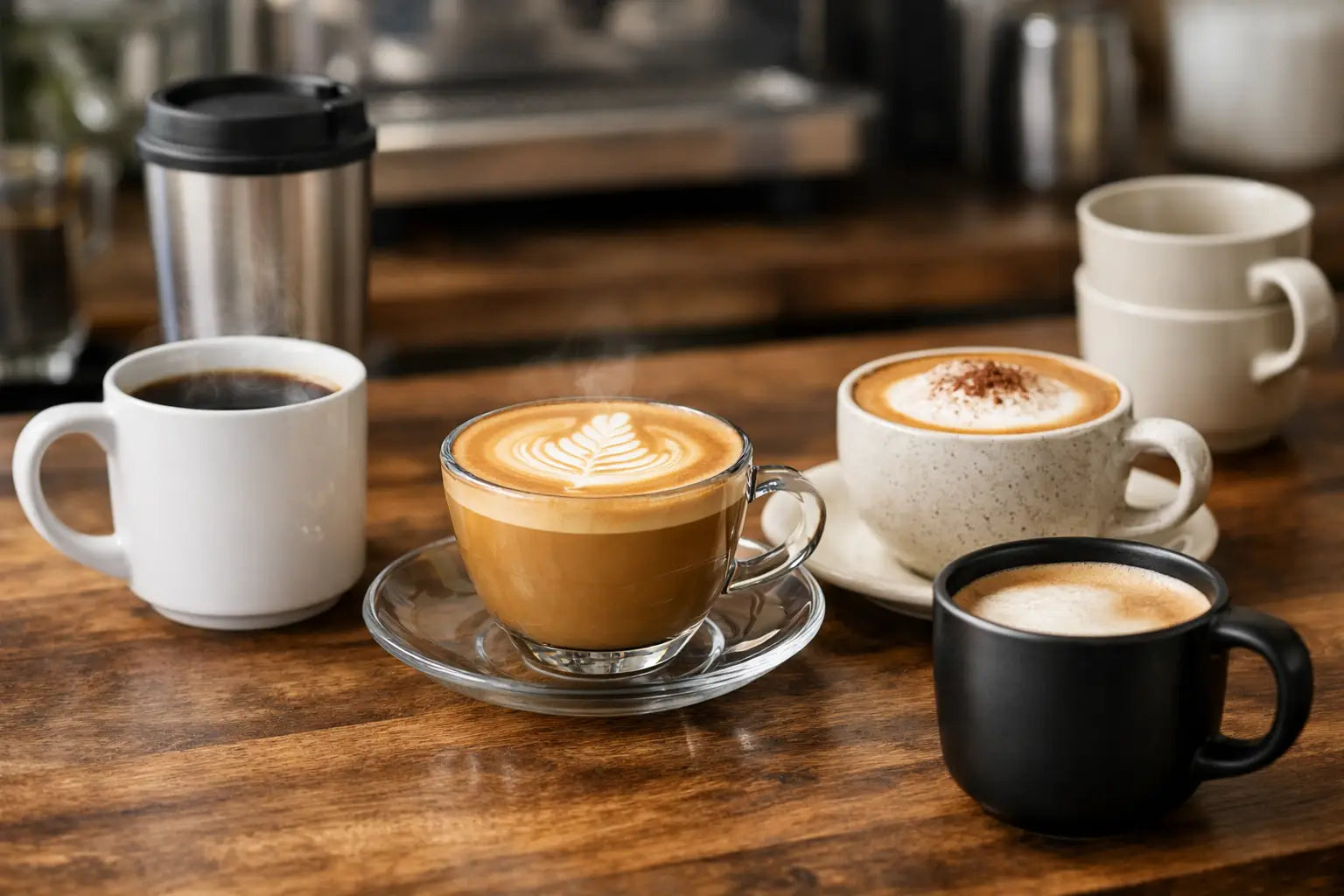
The sweet spot is usually a balanced profile with a stable base, a comfortable center of gravity, and proportions suited to the drinks you actually serve. Cappuccino cups, for example, benefit from enough bowl shape to support milk texture while still sitting securely in the hand. Espresso cups need density and heat retention in a smaller format. Larger coffee cups should feel anchored rather than bulky.
Handles matter too. A graceful handle is not enough if fingers feel cramped or if the attachment points seem vulnerable. In commercial settings, handles often take repeated stress from grabbing, rinsing, and loading. A durable cup should have a handle that feels integrated into the form, not added as an afterthought.
Think about service conditions, not just shelf appeal
A cup may look perfect online or in a showroom, then fail once it meets the rhythm of actual service. Before choosing a collection, consider what the cups will face each day. Are they moving through a high-volume brunch rush? Sitting on outdoor tables? Going through frequent dishwasher cycles? Being stacked by multiple staff members in a tight service station?
This is where trade-offs become real. Matte finishes can look sophisticated, but some show wear more easily than glossy glazes. Extremely bright whites present beautifully and communicate cleanliness, but they may reveal utensil marks faster. More sculptural forms create strong table presence, yet they can be harder to store efficiently.
None of these are automatic deal breakers. They simply mean the right cup depends on the setting. A boutique café with slower service and strong visual identity can support a more design-forward piece. A high-volume operation may need cleaner geometry, easier stacking, and a slightly more forgiving finish.
Evaluate heat retention and comfort together
Durability is not only about resistance to damage. It is also about how well a cup performs over time. If guests consistently find the cup too hot to hold, or if drinks cool too quickly, the cup is not truly doing its job.
Porcelain and ceramic are often preferred in café service because they retain heat well without feeling clinical. But wall thickness needs balance. Too thin, and temperature drops faster while the cup may feel more vulnerable. Too thick, and the drinking experience can feel heavy or blunt.
Comfort should guide the final call. The cup should sit naturally in the hand, the lip should feel pleasant when drinking, and the handle should support a relaxed grip. Those details create the sense of refinement people remember, whether they are in a design-conscious café or setting the table at home.
Why saucers and stackability affect longevity
If your cups come with saucers, durability extends to the full set. A well-paired saucer creates stability during service, protects presentation, and reduces awkward handling. Cups that wobble on their saucers tend to get set down harder and bumped more often. Over time, that increases wear.
Stackability also deserves an honest look. Some cups are technically stackable, but only in a way that makes staff nervous. Others nest too tightly, which can create friction and chipping. The best designs account for daily movement and storage without compromising the cup's silhouette.
For hospitality buyers especially, this is where collection-based thinking helps. A coordinated cup and saucer system with consistent proportions usually performs better than mixing shapes from different lines. It also creates a more intentional visual language across the table.
How to choose durable cafe cups for brand presentation
Café cups are part of the room. They appear in the guest's hand, on the table, in photographs, and often against the backdrop of your interior palette. Choosing a durable cup is also choosing how your coffee program presents itself.
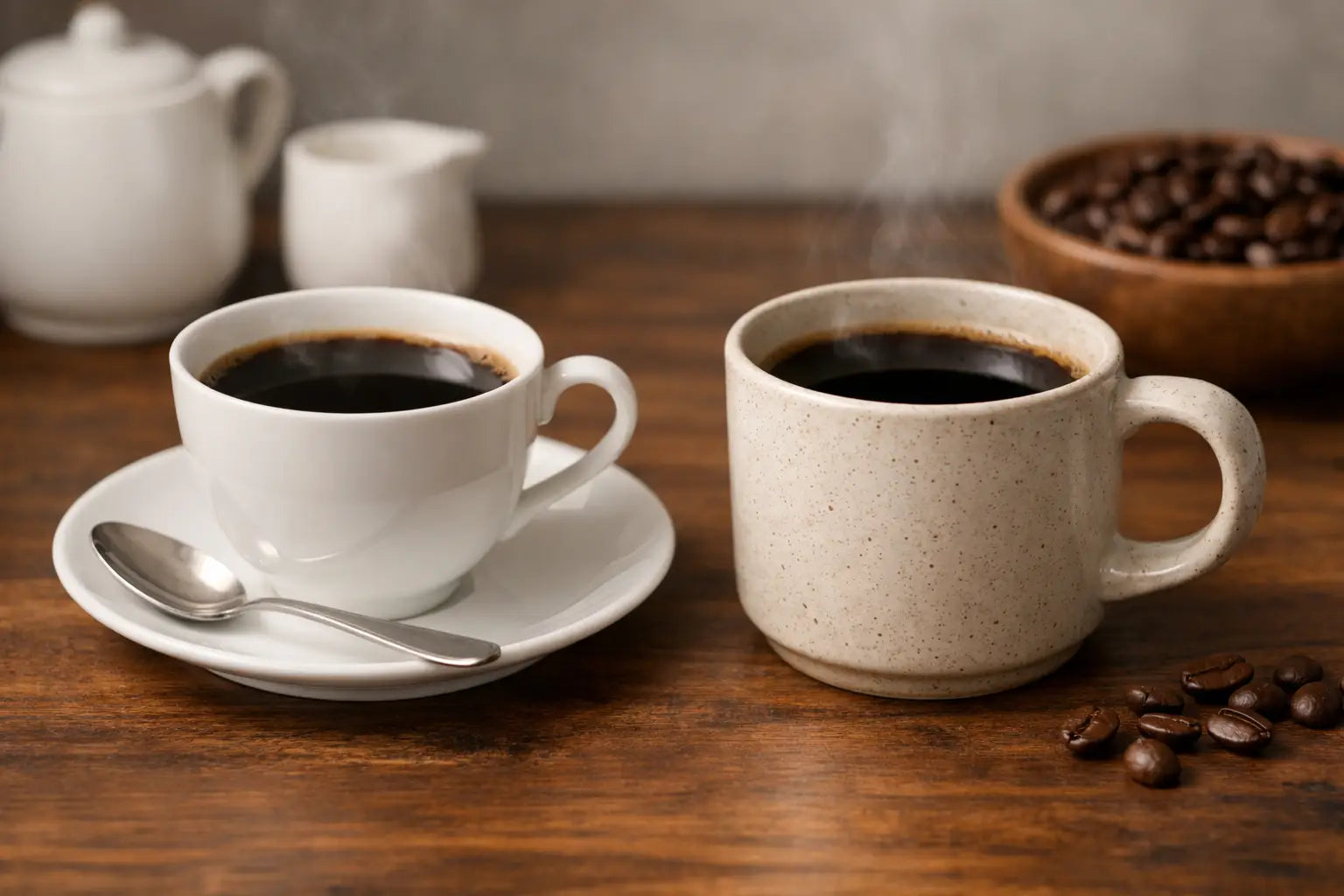
Clean white porcelain remains a favorite for good reason. It frames espresso and milk drinks beautifully, feels timeless, and complements a wide range of interiors from minimal to classic. If your space leans more tonal, sculptural, or warm, a softer neutral ceramic can still feel elevated while adding depth.
What matters is consistency. A curated cup program gives drinks a stronger presence and makes even simple service feel considered. For brands like Angeleno Drinkware, that intersection of durability and design is exactly where tabletop essentials become part of a more refined ritual rather than a background utility.
Questions worth asking before you buy
Before committing to a cup, ask practical questions that reveal long-term value. Is it commercial dishwasher safe? Does the glaze resist staining from coffee and tea? How does it perform after repeated stacking? Can you easily reorder matching pieces later? A cup may be beautiful, but if replacement inventory is inconsistent, maintaining a polished service becomes harder.
It is also worth requesting a sample when possible. Hold it. Wash it. Serve in it. See how it feels during a real morning rush or a week of home use. The right choice usually becomes obvious once the cup is part of an actual routine rather than a product page impression.
The best café cups are never only durable and never only beautiful. They are composed, hardworking pieces that support the pace of service while elevating the drink in front of them. Choose the cup that still feels intentional after the hundredth use, because that is the one guests will trust and remember.