Best Cappuccino Cups for Latte Art
A beautiful rosetta can fall apart the moment it lands in the wrong cup. If you are searching for the best cappuccino cups for latte art, the cup itself matters almost as much as milk texture and pour technique. Shape influences contrast, rim width affects control, and weight changes how the drink feels in the hand. For home coffee rituals and café service alike, the right vessel turns a good pour into a more polished presentation.
What makes the best cappuccino cups for latte art?
Latte art lives at the intersection of crema, milk, and geometry. The cup has to support all three. A proper cappuccino cup is usually wide enough to give the milk room to spread, but not so oversized that the pattern looks lost at the center. Most baristas and design-conscious home brewers land in the 5 to 6 ounce range for a traditional cappuccino, though some modern cafés stretch slightly larger.
The interior curve matters most. Cups with a rounded bowl create a gentler landing zone for espresso and steamed milk, helping the crema stay cohesive as you begin the pour. Straight walls can still work, but they tend to feel less forgiving, especially if you are trying to draw cleaner hearts, tulips, or swans. A smooth, continuous slope from base to rim gives the pitcher a better canvas.
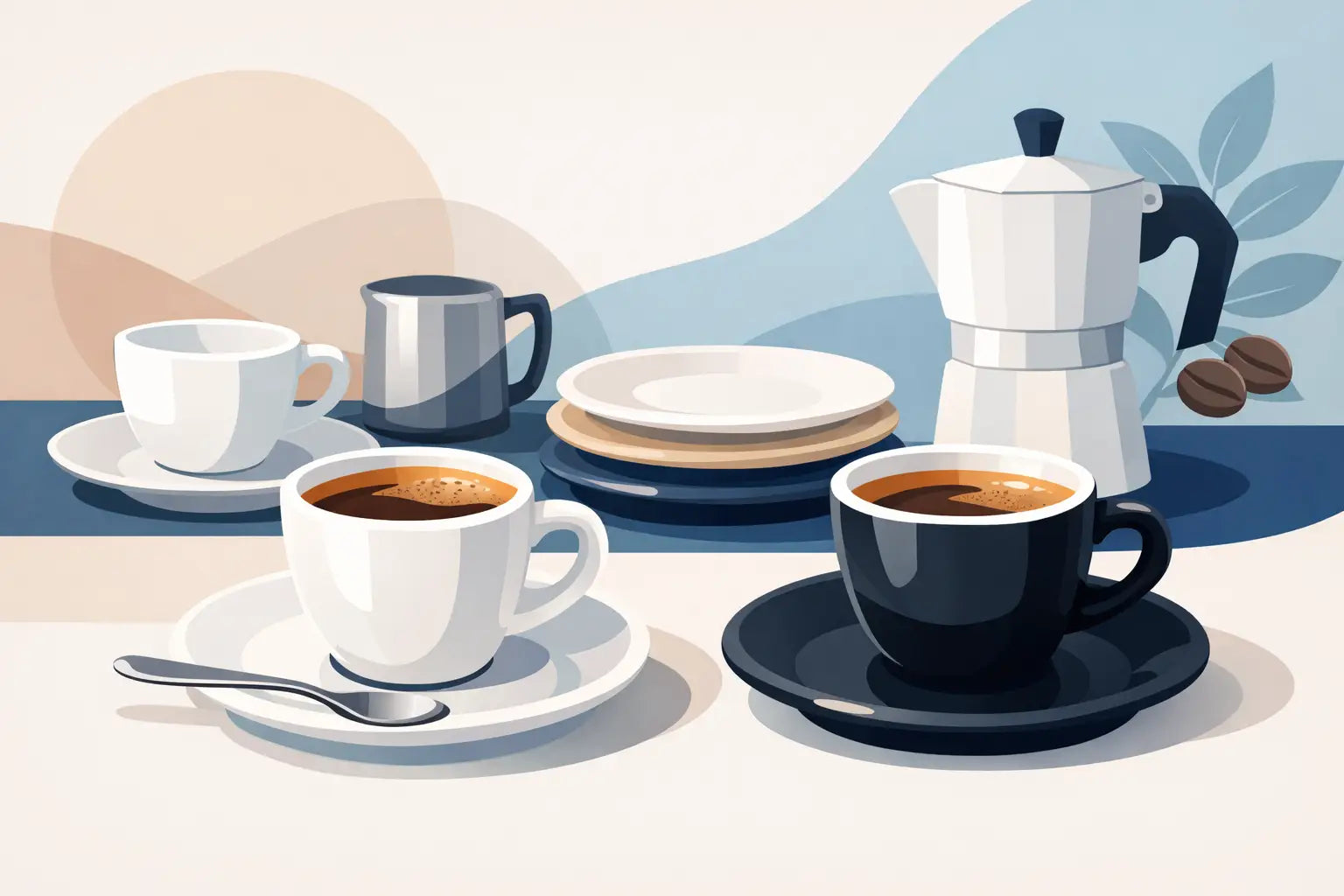
Color plays a quiet but decisive role. White porcelain remains the standard for a reason. It creates crisp contrast against espresso crema and glossy milk foam, allowing the pattern to read clearly from across a table or across the bar. Matte black cups may look dramatic on a shelf, but they often mute the visual detail that makes latte art satisfying in the first place.
Then there is rim diameter. Too narrow, and your design stacks upward before it can open. Too wide, and the pour can flatten out unless your milk texture is especially precise. The best balance is a cup that feels compact yet open, with enough surface area to showcase the art without making the drink feel underfilled.
Size, proportion, and why cappuccino cups outperform mugs
A standard mug is built for volume. A cappuccino cup is built for proportion. That difference is what makes latte art easier and more elegant in a true cappuccino vessel.
Cappuccinos are traditionally smaller milk drinks than lattes, so the cup supports a tighter ratio of espresso to milk. That gives the crema more presence at the surface, which helps your pattern stand out. In a large mug, the same shot can disappear under too much milk, leaving you with weaker contrast and a less defined design.
This is where many home brewers get frustrated. They can pour a decent heart into a paper practice cup or a café bowl, then wonder why it looks flat at home. Often, the issue is not skill alone. It is a cup that is simply too tall, too narrow, or too large for the drink being made.
For cafés, proportion also shapes guest perception. A well-sized cappuccino cup feels intentional. It frames the drink as a composed experience rather than just a caffeine delivery system. That difference matters in hospitality, where tabletop presentation is part of the product.
The materials that perform best
Porcelain is still the benchmark. It has the refined weight, heat retention, and clean finish that make cappuccino service feel elevated. It also tends to deliver the smooth interior glaze that helps milk settle beautifully. For latte art, that consistency matters. Tiny imperfections inside the bowl can interrupt the visual flow of the pour.
Stoneware can be attractive, especially in more rustic settings, but it varies widely. Some pieces are charmingly organic, while others are too thick or visually heavy for delicate coffee presentation. If your goal is precise art and a more contemporary table presence, porcelain usually offers the sharper result.
Glass cups have their own appeal, especially for layered drinks or modern minimalist styling. But for cappuccino latte art, they are often less ideal. Heat retention can be less forgiving, and the visual focus shifts from the surface pattern to the side profile of the drink. That can be beautiful, just not always the best choice if latte art is the priority.
Weight matters too. The cup should feel substantial enough to signal quality but not so heavy that it overwhelms the drink. In a hospitality setting, this becomes practical as well as aesthetic. Staff handle cups constantly, and pieces that are too delicate or too weighty can slow service or increase breakage over time.
Features worth looking for before you buy
When choosing the best cappuccino cups for latte art, it helps to think beyond the first pour. A cup can look exceptional in a product photo and still disappoint in everyday use.
Start with the bowl shape. Look for a rounded interior rather than an angular base. This supports better milk integration and more graceful pattern expansion. Next, consider wall thickness. Thin walls can feel elegant but may cool the drink quickly. Very thick walls hold heat but can make the cup feel bulky. The sweet spot is balanced - refined, but durable enough for repeat use.
Handles deserve more attention than they usually get. For home use, comfort is the priority. For cafés and restaurants, handle size affects how efficiently staff can carry, serve, and clear cups. An elegant cup that is awkward to grip will eventually reveal itself as a compromise.
Saucers also matter. They complete the presentation, protect surfaces, and create a cleaner service experience for both casual mornings and more formal coffee moments. A matching saucer adds visual discipline to the table, especially if the rest of your drinkware follows a coordinated design language.
If you are buying for a café, stackability and replacement consistency should be part of the decision. If you are buying for home, the question shifts slightly. Ask whether the cup makes your daily routine feel more considered. The best pieces do not just perform well once. They make every cappuccino feel better served.
A design perspective: what looks best on the table
Latte art is not only about the surface of the drink. It is about the total frame around it. The best cups support that frame with restrained design, balanced proportion, and a silhouette that feels current without chasing trends.
White porcelain with a softly curved profile is the most versatile choice because it lets the coffee remain the focal point. It works in a bright, minimal kitchen, a warm wood interior, or a polished café setting. That visual flexibility is part of its appeal. It feels quietly premium rather than performative.
This is where collection-based drinkware has an advantage. A cappuccino cup rarely exists alone. It sits beside water glasses, dessert plates, cocktail stems, or breakfast service. When the cup belongs to a broader tabletop story, the ritual feels more curated. For a design-conscious home or hospitality program, coherence creates a stronger impression than novelty.
A well-designed porcelain cappuccino cup like those found in Angeleno Drinkware's Wilshire line speaks to that balance. It delivers the clean geometry and presentation value latte art deserves, while still functioning as an everyday workhorse.
Choosing for home versus hospitality
The right choice depends on where the cup will live. At home, you may lean toward a cup that feels a bit more expressive, especially if your coffee ritual is part of how you set the tone for the day. You can prioritize tactile pleasure, visual harmony with your kitchen, and the satisfaction of serving yourself something that feels composed.
In a café or restaurant, repeatability becomes the deciding factor. The cup has to photograph well, wear well, and move smoothly through service. It should maintain heat, survive dishwashing, and support consistent pours across multiple baristas. Beauty still matters, but beauty under pressure matters more.
That does not mean commercial cups need to look utilitarian. The strongest hospitality pieces do both. They elevate the guest experience while standing up to daily use. That is usually where premium porcelain earns its place.
The cup should make your latte art look more intentional
Good latte art feels fleeting by nature. You pour it, admire it, then drink it. The cup is what gives that moment structure. It shapes the pattern, sharpens the contrast, and adds the quiet design cues that make a cappuccino feel like more than a routine beverage.
If you are choosing well, look for a cup with a rounded interior, a balanced 5 to 6 ounce capacity, white porcelain construction, and a silhouette that feels clean in the hand and on the table. That combination gives your pours the best chance to look composed, whether you are making one cappuccino before work or sending out a full tray in a busy dining room.
The best cup does not compete with the drink. It gives it a better stage.