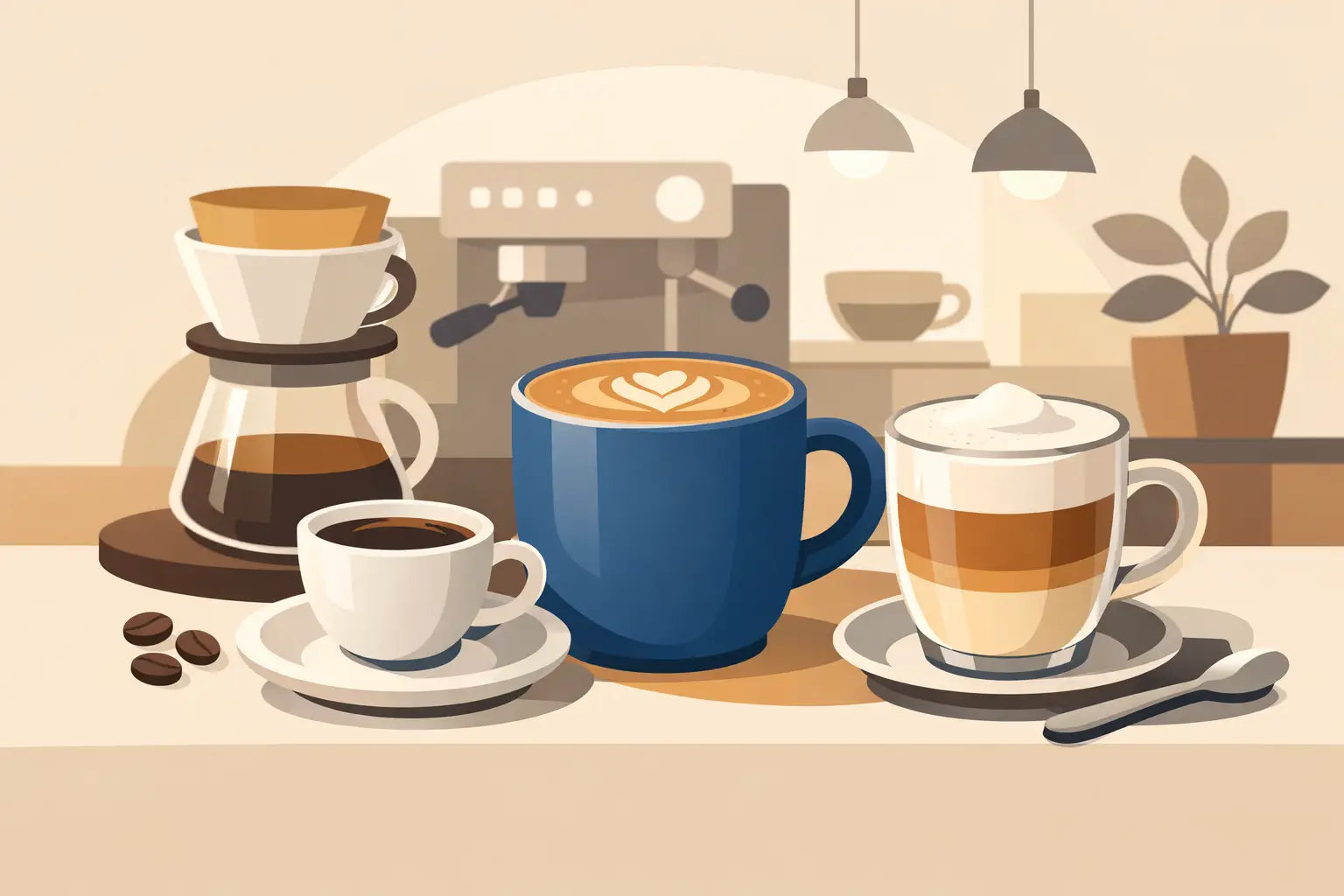
How to Choose Espresso Cups That Feel Right
A beautiful espresso can lose some of its appeal the moment it lands in the wrong cup. Crema thins too quickly, the proportions look off, the handle feels awkward, and what should feel considered starts to feel incidental. If you are wondering how to choose espresso cups, the answer sits at the intersection of taste, temperature, comfort, and presentation.
Espresso is small, but the serving experience is not. The cup influences heat retention, aroma concentration, visual balance, and how polished the moment feels on a breakfast table, a kitchen counter, or a café tray. The best choice is rarely just about capacity. It is about selecting a vessel that supports the ritual as much as the drink itself.
How to Choose Espresso Cups for Everyday Use
Start with size, because this is where many people get it wrong. A standard espresso cup usually lands around 2.5 to 3 ounces. That gives enough room for a single or double shot while preserving the visual proportion that makes espresso feel intentional rather than swallowed by empty space. If the cup is too large, the shot can look underwhelming and lose heat faster. If it is too tight, pouring becomes messy and the crema has no room to settle.
For most home users and cafés, a cup in the 2.5 to 3.5 ounce range is the sweet spot. That range accommodates modern espresso service, which often leans double-shot, while still keeping the profile compact and refined. If you regularly serve lungo or small milk-based drinks, you may want a slightly roomier format, but it helps to keep a dedicated espresso cup rather than asking one shape to do everything.
Material matters just as much. Porcelain remains the classic choice for a reason. It holds heat well, feels substantial in the hand, and presents espresso with a clean, elevated finish. A well-made porcelain cup has a quiet confidence to it - smooth glaze, balanced weight, crisp silhouette. It works in contemporary homes and professional hospitality settings because it combines beauty with performance.
Glass offers a different kind of appeal. It puts the espresso itself on display, highlighting color, crema, and layering. That can feel especially striking in a design-forward setting or when presentation is central to the experience. The trade-off is that some glass cups lose heat faster, and not every drinker enjoys the tactile feel as much as ceramic. If your priority is warmth and classic café character, porcelain often wins. If your priority is visual drama, glass has a strong case.
The Shape Changes More Than You Think
Cup shape affects both the look and behavior of espresso. A rounded interior helps preserve crema and supports aroma as the shot settles. It also tends to make sipping feel smoother. Straight-sided cups can look more architectural and modern, which may suit a minimalist tabletop, but they do not always offer the same softness in the drinking experience.
The rim deserves more attention than it usually gets. A thinner rim can feel more elegant on the lips, while a slightly thicker rim can make the cup feel more durable and grounded. Neither is automatically better. It depends on whether you value delicacy or everyday resilience, especially if the cups will see heavy rotation in a café or busy household.
Handle design is another detail that separates a good cup from one you quietly stop reaching for. The handle should allow a comfortable grip without feeling cramped. Oversized handles can look clunky on a small cup, while tiny handles may appear sleek but become irritating in use. In premium drinkware, the best handles feel integrated into the silhouette rather than tacked on as an afterthought.
How to Choose Espresso Cups That Match Your Setting
The right espresso cup for a home coffee bar is not always the right one for a restaurant or café. At home, people often have more freedom to prioritize style, mood, and cohesion with the rest of the kitchen or dining area. You might choose cups that echo your dinnerware, complement your countertop materials, or create a more curated visual story on open shelving.
In hospitality, consistency and durability become more important. Cups need to stack or store efficiently, withstand repeated washing, and maintain their finish over time. They also need to align with the kind of guest experience you are building. A sleek porcelain cup with matching saucer can instantly sharpen table presentation in a way that paper-thin basics never will. It signals care before the first sip.
This is where a collection-based approach makes sense. When espresso cups sit within a broader tabletop language, the service feels more intentional. Matching saucers, coordinated cappuccino cups, and complementary glassware create visual continuity that guests notice, even if they cannot immediately explain why the table feels so polished.
Don’t Ignore Heat Retention
Espresso is at its best when served promptly, but the cup still plays a major role in preserving temperature. Thick-walled porcelain usually performs well here, especially if preheated. That extra warmth keeps the shot from cooling too fast and supports a better sensory experience from first sip to last.
A cup that feels cool the moment espresso hits it works against the drink. This matters even more if you like to savor slowly or serve guests in a setting where drinks may sit for a minute before being picked up. Preheating helps, but material and wall thickness still do the heavy lifting.
There is a balance to strike, though. A very thick cup may retain heat beautifully but can feel heavier and more traditional than some people want. A thinner, lighter cup may look more refined but offer less thermal stability. If you want a practical luxury, choose a cup with enough substance to hold heat without feeling bulky.
Presentation Is Part of Performance
Espresso service is visual by nature. The scale of the cup, the tone of the glaze, the presence of a saucer, and even the negative space around the drink shape the experience. White or soft neutral porcelain remains popular because it frames the espresso cleanly and lets the crema stand out. It feels timeless, and it works across a wide range of interiors.
That said, a darker or more sculptural cup can create a more distinctive statement. If your aesthetic leans modern, moody, or highly curated, contrast can be powerful. The key is making sure the design still serves the drink. A cup should feel expressive, not distracting.
Saucers are worth including when the setting calls for a more complete presentation. They add ceremony, catch drips, hold a demitasse spoon or sugar cube, and make the whole service feel finished. In home entertaining, that detail can elevate a quick after-dinner espresso into something more memorable. In hospitality, it adds structure and polish.
What to Look for in Quality
The fastest way to judge an espresso cup is to pick it up. Weight should feel balanced, not hollow and not overly dense. The glaze should be smooth and even. The foot should sit flat. The handle should feel secure. Small inconsistencies can make a cup feel handmade in a charming way, but poor finishing usually reveals itself quickly in daily use.
Durability also matters more than many shoppers expect. Chips at the rim, glazing that dulls, or handles that feel fragile can turn a premium-looking cup into a disappointing purchase. For home users, that means fewer years of enjoyment. For cafés and restaurants, it means more replacements and less consistency on the floor.
If you are buying for regular use, ask a practical question alongside the aesthetic one: will this still look good after dozens or hundreds of washes? Premium drinkware should earn its place both visually and operationally.
A Few Common Mistakes When Choosing Espresso Cups
One of the most common mistakes is buying based on appearance alone. A cup may photograph beautifully but feel awkward in the hand or cool the espresso too quickly. Another is choosing an oversized cup because it seems more versatile. In practice, oversized espresso cups often make the drink look diminished and less refined.
It is also easy to underestimate how much matching pieces matter. A single attractive cup can work, but a coordinated set tends to create a more complete and elevated experience. That is especially true if you entertain often or want your coffee ritual to feel composed rather than improvised.
For buyers outfitting a café or restaurant, another mistake is ignoring replacement continuity. Distinctive cups are a smart brand move, but only if you can maintain consistency as your needs grow. Angeleno Drinkware approaches this well through cohesive collections that support both presentation and repeat ordering, which is exactly what many hospitality teams need.
The best espresso cup does not only hold a shot. It shapes how that shot is perceived, served, and remembered. Choose one that respects the scale of espresso, supports heat and aroma, and feels aligned with the atmosphere you want to create. When the cup is right, the ritual feels complete before the first sip even lands.