Minimalist Drinkware for Home Bar Ideas
A crowded bar cart can make even a well-made cocktail feel slightly off. Too many shapes, too much visual noise, and suddenly the ritual loses its composure. Minimalist drinkware for home bar settings solves that problem with restraint - cleaner lines, fewer but better silhouettes, and a sense of order that makes every pour look considered.
Minimalism in drinkware is not about stripping away personality. It is about editing with intention. The right glass does more than hold a drink. It frames color, catches light, supports aroma, and brings visual calm to the table or counter. In a home bar, that matters as much as the spirit selection.
What minimalist drinkware for home bar really means
Minimalist drinkware is often misunderstood as plain drinkware. The difference is subtle but important. Plain can feel generic. Minimalist feels resolved. The silhouette is deliberate, the proportions are balanced, and the finish is clean enough to complement a modern interior without fading into the background.
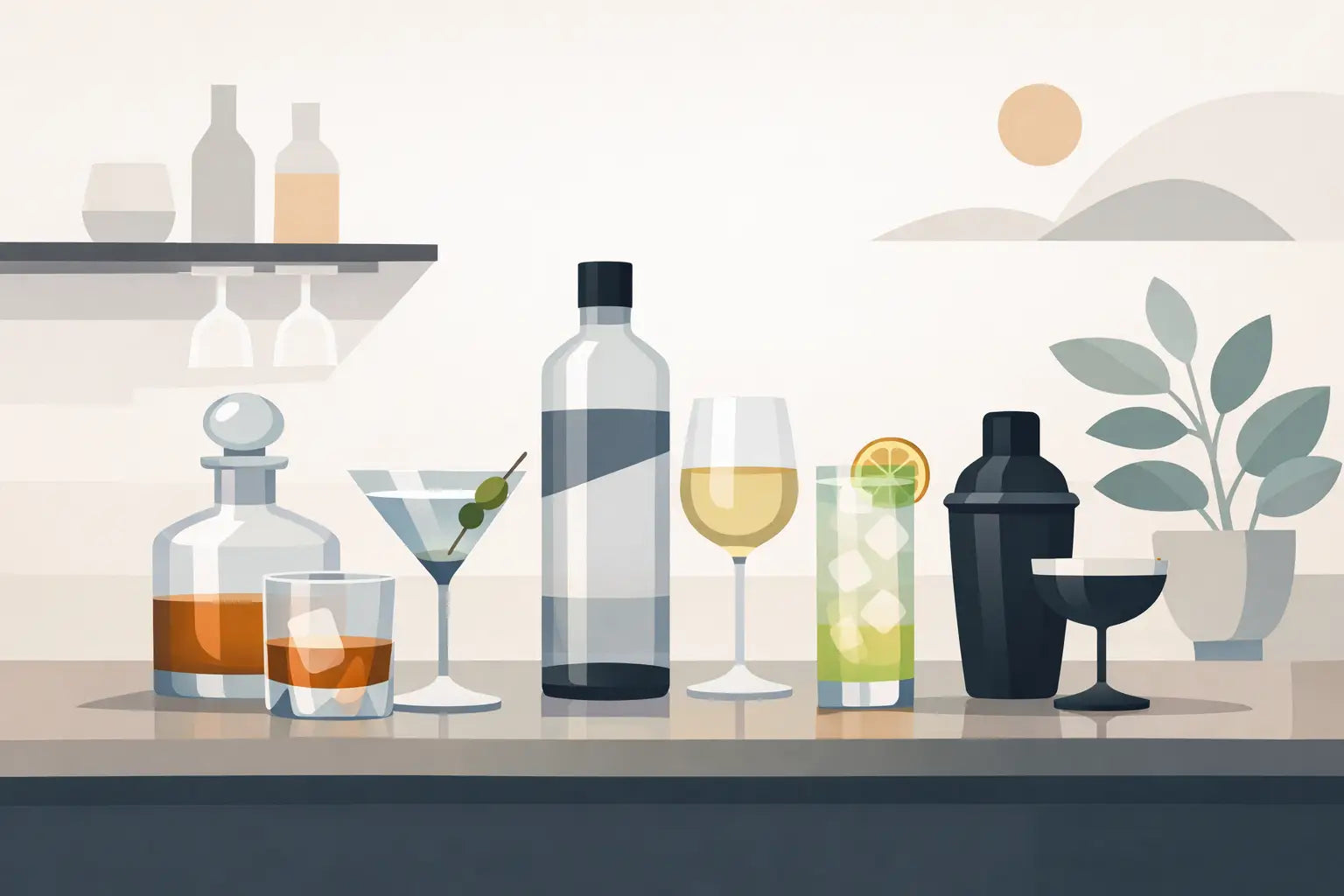
For a home bar, that usually means choosing glasses with crisp geometry, restrained detailing, and enough versatility to work across several drink styles. A thin-rimmed rocks glass with a weighty base, for example, can serve whiskey neat, an old fashioned, or sparkling water with equal ease. That kind of flexibility is part of the appeal.
It also creates cohesion. When each piece feels visually related, the entire bar setup looks more elevated. This is true whether your space is a dedicated lounge, a dining room console, or a compact apartment shelf with room for only a few essentials.
Why a minimalist bar setup feels more luxurious
Luxury is not always about abundance. In many interiors, it comes from clarity. A carefully chosen set of drinkware brings that clarity to the home bar by removing distraction and emphasizing material quality.
Lead-free crystal, for instance, has a brightness and precision that instantly sharpens presentation. Porcelain and ceramic offer a different kind of refinement - softer, quieter, and ideal for coffee service or after-dinner rituals. In both cases, minimal forms allow the materials to speak for themselves.
There is also a practical advantage. A minimalist collection is easier to store, easier to style, and usually easier to maintain. You are less likely to own novelty pieces that sit untouched for months, and more likely to reach for the same well-designed glasses every week. That repeat use is where good design proves its value.
Still, minimalism has trade-offs. If you love highly specific cocktail service, a tightly edited collection may feel limiting. A coupe can handle a lot, but it is not the same as owning separate vessels for every classic recipe. The best approach depends on how you entertain and what kinds of drinks you serve most often.
The essential silhouettes worth keeping
A minimalist home bar does not need a large inventory. It needs the right shapes.
Rocks glasses
A strong rocks glass is the anchor of most home bars. Look for a shape that feels substantial without becoming bulky. Straight sides or gently rounded walls both work, but the proportions should feel clean and modern. This glass handles neat pours, cocktails on ice, and even zero-proof drinks without looking out of place.
Stemmed cocktail glasses
If you enjoy martinis, Manhattans, or champagne-forward cocktails, a stemmed glass adds instant occasion. Minimalist versions tend to avoid ornate stems and exaggerated bowls. Instead, they rely on elegant balance and a refined profile. That restraint reads as contemporary, especially in interiors with neutral palettes and layered textures.
Wine and all-purpose beverage glasses
Not every home bar is strictly about spirits. A minimalist all-purpose wine glass or stemless beverage glass can bridge the gap between casual hosting and formal service. This is especially useful for households that entertain across different settings, from aperitifs before dinner to a simple pour of mineral water with lunch.
Carafes and coffee service pieces
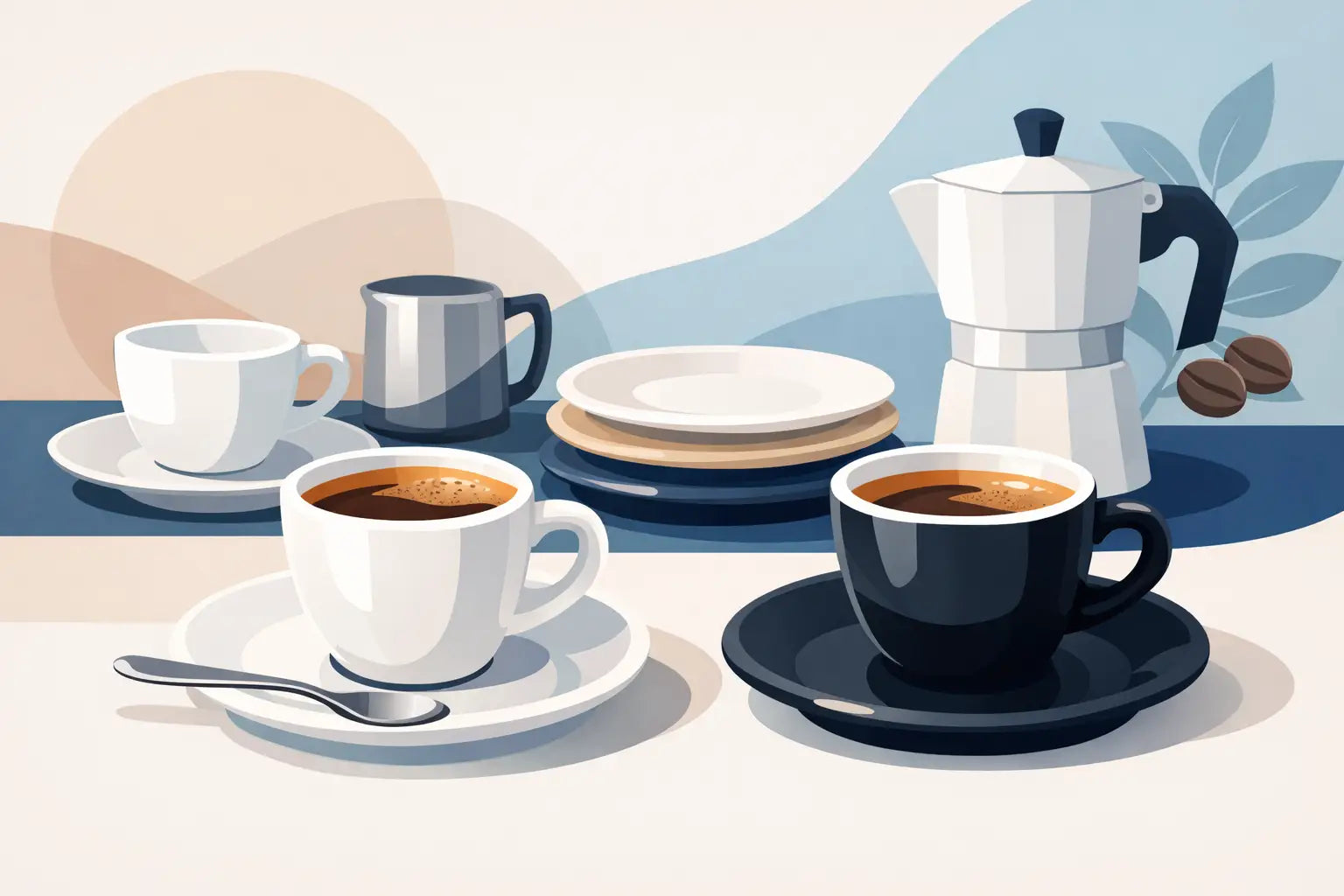
A modern home bar often overlaps with coffee culture. Espresso cups, cappuccino cups, and small carafes can belong in the same visual world as your cocktail glasses if the design language is consistent. This is where a collection-based approach feels especially polished. The transition from evening drinks to morning coffee should not feel like a style reset.
How to choose pieces that look minimal, not cold
The most successful minimalist drinkware has warmth. That may come from a softly weighted base, a pleasing rim, or the way light moves through clear crystal. Minimal design should feel edited, not sterile.
Start with proportion. A glass can be simple and still feel special if the bowl, rim, and base are in balance. Awkward proportions are often what make affordable drinkware look forgettable. By contrast, a well-scaled piece has presence even when it is visually quiet.
Material is the next consideration. Crystal delivers brilliance and sharpness, which suits a polished home bar. Porcelain and ceramic bring a matte, tactile contrast that can soften the setup. Mixing these materials can create a more layered environment, especially if your bar area is part of an open-plan kitchen or living space.
Color matters too, even when the answer is no color at all. Clear glass remains the most versatile choice for a minimalist bar because it lets the drink become the visual focal point. That said, smoke, soft amber, or an opaque cream ceramic can work beautifully if the palette stays controlled.
Styling a minimalist home bar without making it feel empty
Minimalist styling is less about having fewer things than having fewer unnecessary things. A home bar still needs dimension.
A cohesive glassware collection gives you that foundation. From there, add structure with a tray, an ice bucket, a shaker, or a bottle display that shares the same design sensibility. The visual rhythm should come from repetition of tone, silhouette, and finish rather than decoration.
This is where design-forward collections stand out. When glasses are created to feel related rather than randomly assembled, the entire bar reads as intentional. That is true for home entertaining, and it is equally true in hospitality settings where presentation shapes guest perception from the first glance.
Keep surfaces breathable. Leave room around each object so the forms can register clearly. Minimalist drinkware looks best when it has space to catch light and hold attention. Cramming ten glasses onto a small shelf defeats the purpose, even if every piece is beautiful on its own.
Minimalist drinkware for home bar use should still perform
Design is only half the story. Drinkware has to feel good in the hand, survive regular use, and support the way people actually drink.
A beautiful coupe that tips easily is not a smart choice for frequent entertaining. An ultra-thin wine glass may look elegant but feel too fragile for everyday use in a busy household. For many buyers, the sweet spot is premium drinkware that carries visual finesse while remaining durable enough for real life.
This is also where home and hospitality needs start to overlap. The best pieces for a well-designed home bar often share qualities with the best pieces for restaurant service: clarity, balance, comfort, and versatility. Angeleno Drinkware approaches this well by treating presentation and performance as partners rather than trade-offs.
If you host often, think beyond the photo moment. Consider how glasses stack or store, whether they fit comfortably in your dishwasher if applicable, and how many functions a single shape can cover. Minimalism works best when it reduces friction, not just decoration.
When to invest and when to keep it simple
Not every glass in your home bar needs to be a statement piece. The investment should follow visibility and frequency of use.
Your primary cocktail glassware deserves the most attention because it defines the experience. If you regularly pour whiskey, build around an exceptional rocks glass. If you lean toward stirred cocktails or sparkling serves, prioritize a stemmed silhouette with clarity and poise. These are the pieces guests notice first and the ones you will reach for most often.
Secondary items can be more restrained. Water glasses, backup coupes, or casual daytime pieces do not need dramatic distinction if they still support the overall visual language. The goal is not perfection in every corner. It is consistency where it counts.
A minimalist home bar is ultimately a study in confidence. It says you do not need excess to create atmosphere. You need a few pieces with the right proportions, the right materials, and the right presence. Choose drinkware that makes the ritual feel composed, and the rest of the room tends to follow.