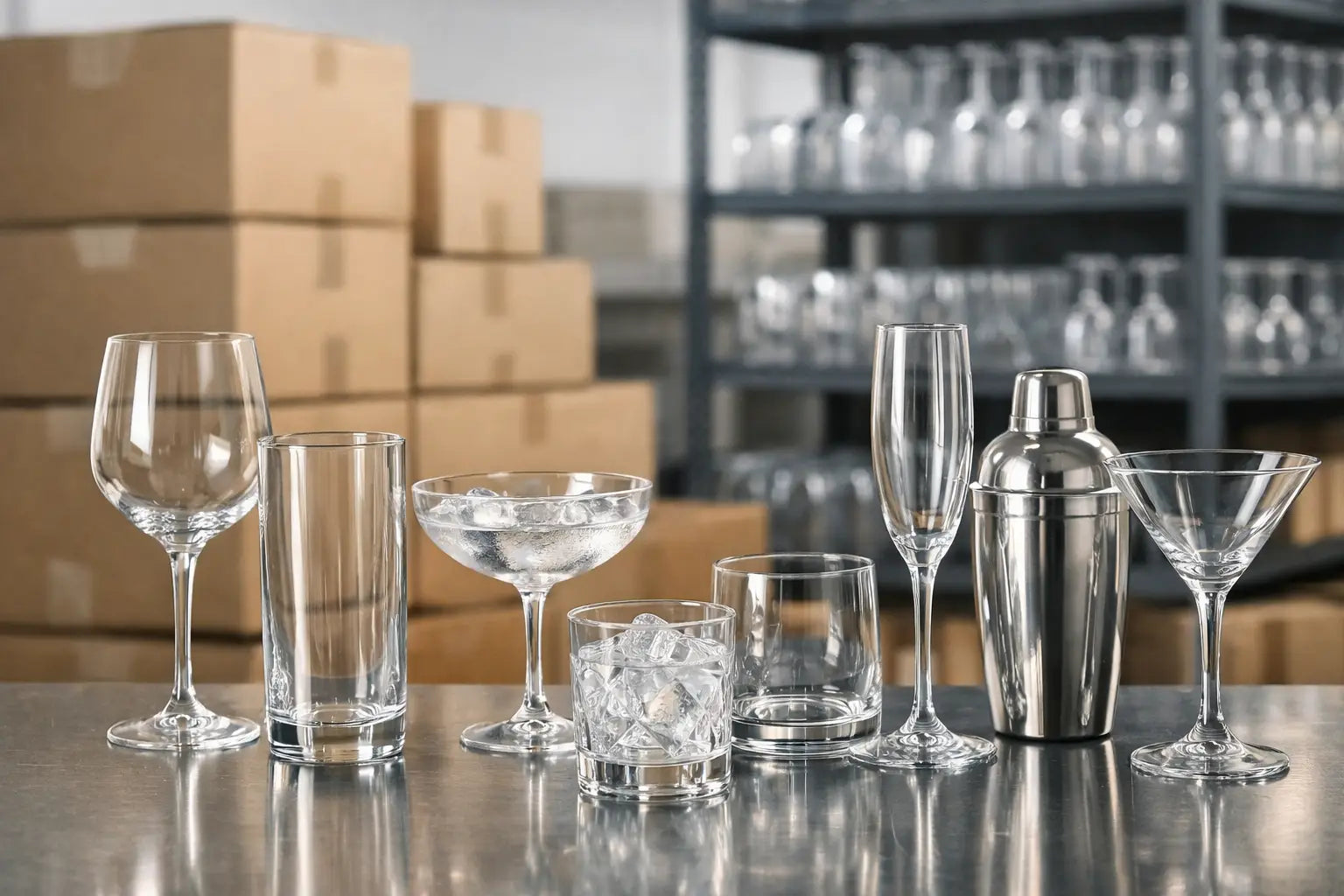
Cocktail Glassware That Earns Its Place
A well-made drink can lose its sense of occasion in the wrong vessel. Cocktail glassware sets the first impression before the first sip: the weight in the hand, the clarity of the bowl, the way a coupe frames a chilled martini or a highball catches the light across the table. For a home bar or a hospitality program, choosing glassware is less about collecting every possible shape and more about selecting a considered set that makes each pour feel intentional.
The right pieces bring visual rhythm to a bar cart, dining table, or service station while supporting the drink itself. They preserve temperature, accommodate ice and garnish, and give classic cocktails the proportions they were designed for. When silhouette and performance align, even a simple gin and tonic or whiskey sour arrives with a stronger point of view.
What Cocktail Glassware Actually Does
A glass is not merely a container. Its shape influences aroma, dilution, temperature, and how easily a guest can enjoy the drink. Wide-rimmed stemware brings the nose closer to aromatic spirits and citrus oils. Tall, narrow glasses help chilled, carbonated drinks hold their effervescence. A substantial rocks glass gives spirit-forward cocktails a grounded, tactile presence.
This is why a single all-purpose tumbler has limits. It can be useful, especially in a compact kitchen or high-volume setting, but it will not present every drink at its best. The goal is not strict cocktail-bar theater at home. It is to give the drinks you serve a vessel with a purpose.
For restaurants, cafés, and hotels, that purpose extends to brand perception. Glassware appears in guest photos, lands in a server's hand hundreds of times a night, and becomes part of the table's overall architecture. A cohesive collection can make service feel composed without demanding a different glass for every menu item.
The Essential Cocktail Glassware Silhouettes
A focused collection begins with a few shapes that carry real range. Instead of buying novelty glassware for every recipe, start with the forms that support the way you entertain or serve.
The coupe for chilled, up cocktails
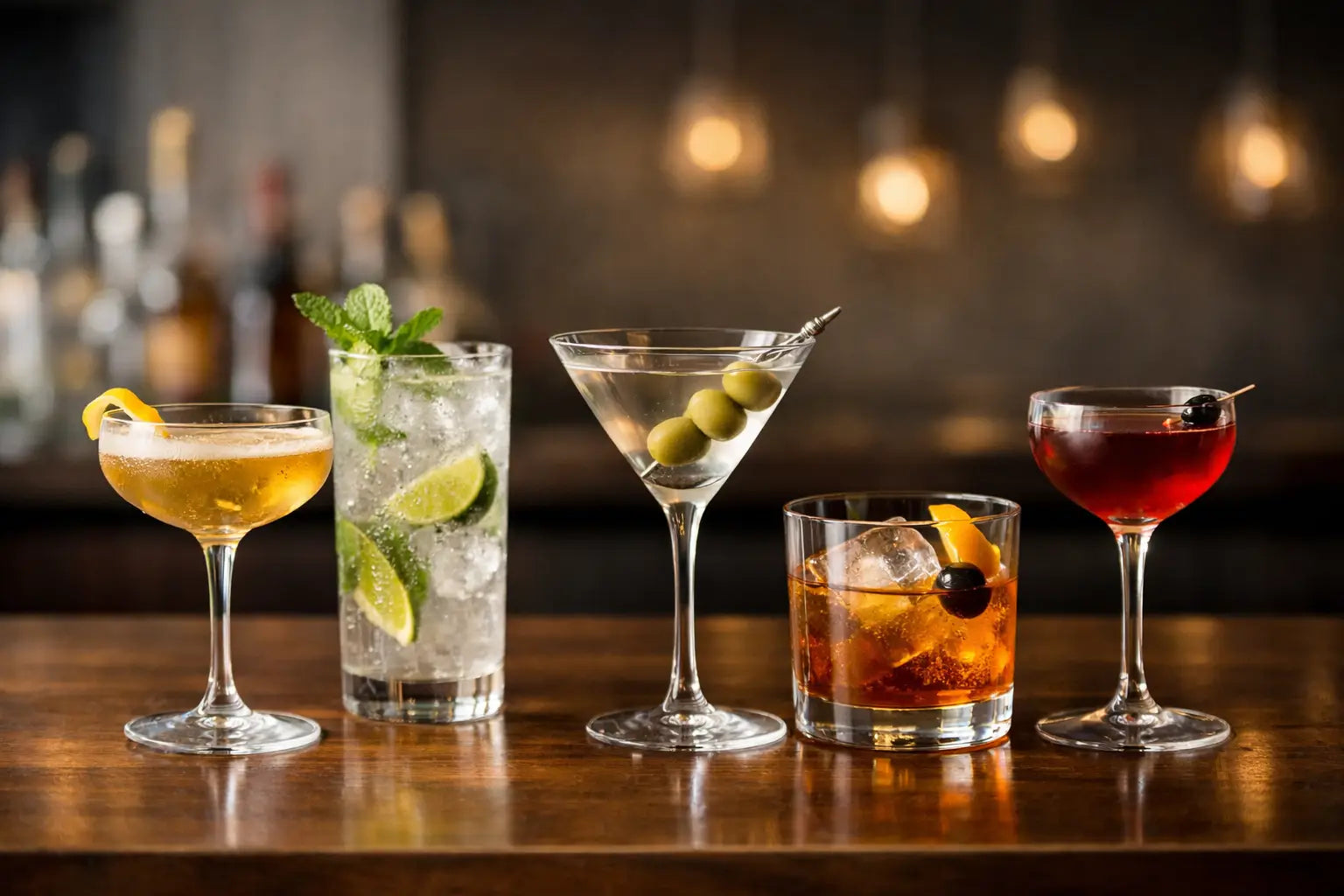
The coupe has become a modern classic for good reason. Its shallow bowl and elegant stem suit drinks served without ice, including daiquiris, sidecars, Manhattans, and sparkling cocktails. The open surface lets fragrant garnishes register immediately, making it especially compelling for drinks with expressed citrus, herbs, or floral notes.
A coupe does require a steadier hand than a rocks glass, and its broad bowl is not ideal for long conversations outdoors. That is part of the trade-off. Choose it when the occasion calls for a more refined, celebratory presentation and the drink is meant to be enjoyed while cold.
The martini glass for a sharper statement
With its angular bowl and elongated stem, a martini glass brings a distinctly graphic quality to the bar. It is a natural choice for martinis, Vespers, and other icy, spirit-forward drinks served up. Its silhouette is more dramatic than a coupe, which makes it particularly effective when a clean garnish or crystal-clear cocktail is the visual focus.
The pronounced angle offers less forgiveness when carrying a full drink, so this style is often best reserved for seated entertaining or attentive tableside service. A martini glass earns its place when its particular visual language matches the experience you want to create.
The rocks glass for depth and versatility
An old fashioned or rocks glass is one of the hardest-working pieces in any collection. Its low profile accommodates a large cube, crushed ice, or a short build of spirit, sugar, bitters, and citrus. It is equally at home with an old fashioned, negroni, whiskey sour on the rocks, or a simple pour of bourbon.
Look for a glass with reassuring weight and a rim that feels polished rather than thick. A heavier base can lend presence, but excessive weight may feel cumbersome in repeated service. The best designs balance substance with proportion, giving the hand something satisfying to hold without overwhelming the drink.
The highball for long, refreshing drinks
Highballs create vertical elegance. Their taller shape leaves room for ice, mixers, and active carbonation, making them essential for ranch waters, mojitos, palomas, gin and tonics, and whiskey highballs. They also transition easily from cocktails to iced coffee, sparkling water, and nonalcoholic serves.
Because highballs are so versatile, they are often the first cocktail glasses worth buying in multiples. For a restaurant or café, this versatility can simplify storage and purchasing. For home entertaining, it ensures the glasses stay in regular rotation rather than waiting for a single, highly specific recipe.
Choosing Material, Clarity, and Weight
Material changes both the look and the working life of cocktail glassware. Lead-free crystal offers exceptional brilliance and a notably fine rim, bringing a polished, elevated quality to clear cocktails and considered tablescapes. The visual difference is especially apparent when light moves through a coupe or when a crystal-clear martini is served with a precise twist of lemon.
Standard glass can be a practical choice for casual settings and high-turnover use, though it may not deliver the same luminosity or delicacy. Neither choice is automatically better. A busy patio program may prioritize durability and replacement ease, while an intimate dinner party may value the refinement of crystal. The best decision reflects how often the glasses will be used, washed, stored, and carried.
Pay attention to the rim as well as the bowl. A thin, smooth rim feels more elegant at the lips and allows the drink to take center stage. Yet a glass should still feel appropriate for its environment. Fine dining may call for a more delicate profile; a lively home gathering may benefit from a design that retains visual lightness while offering everyday confidence.
Clarity matters because it keeps the drink legible. In a well-designed clear glass, the color of an aperitif, the rise of carbonation, and the geometry of the ice all become part of the presentation. This is one reason coordinated, clear collections remain so enduring. They allow the ingredients and the ritual of serving to provide the color.
Build a Collection Around How You Host
The most useful cocktail glassware collection reflects your actual rituals, not an imagined bar program. If your version of entertaining is a Friday martini and a bowl of olives, begin with coupes or martini glasses and a set of rocks glasses for guests who prefer something poured over ice. If summer dinners, citrus-forward drinks, and sparkling water define your table, highballs may do more work than any other silhouette.
For many homes, a thoughtful starting point is four to eight glasses in two or three complementary styles. This creates enough flexibility for a small gathering while keeping cabinets edited and visually calm. Matching pieces also make a table feel more deliberate, even when the menu is simple.
Hospitality buyers can take a similar approach at a larger scale. Select a core shape for signature serves, a durable all-day glass for water and long drinks, and a stemmed option for cocktails where aroma and presentation matter most. Consistency across the collection helps teams move quickly and gives guests a recognizable visual experience from the first course to the last pour.
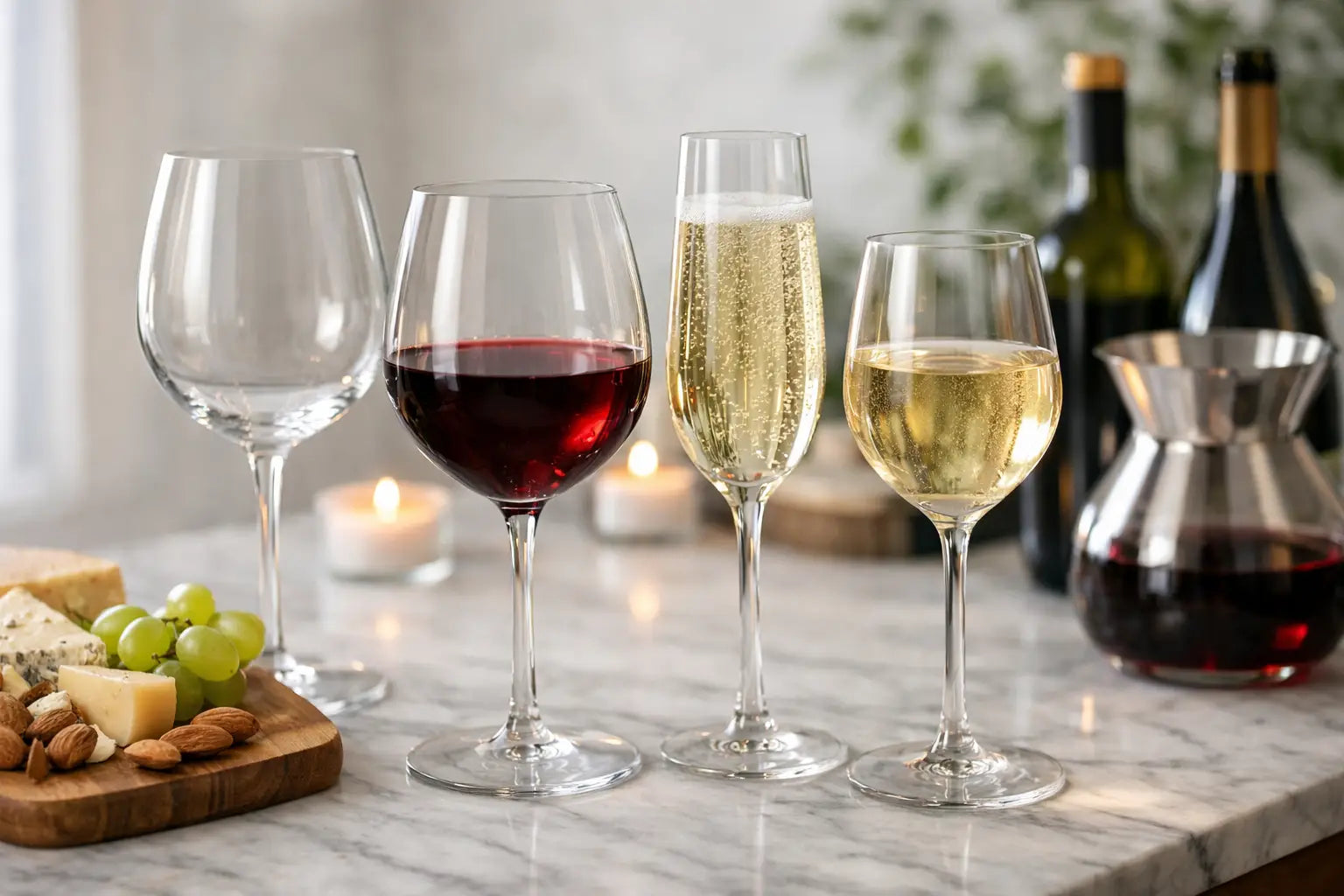
At Angeleno Drinkware, collection-minded design makes that cohesion easier to achieve. A considered family of glassware creates a sense of continuity across cocktails, wine, champagne, and nonalcoholic drinks without making the table feel uniform or flat.
Care That Preserves the Finish
Beautiful glassware should be used, not treated as a display-only object. Still, a few habits preserve clarity and prevent the small abrasions that can dull a collection over time. Avoid overcrowding the dishwasher, where glasses can knock together during a cycle. If hand-washing, use a soft sponge and moderate water temperature rather than exposing fine glass to abrupt heat changes.
For stemware, hold the bowl rather than twisting the stem aggressively while drying. Use a lint-free towel, polish gently, and store glasses upright when possible. Hanging storage can look appealing, but it may not suit every rim shape or cabinet layout. Stability matters more than appearance when choosing how to store your collection.
Cloudiness is often a water-mineral issue rather than permanent damage. Prompt drying and occasional careful polishing can help keep clear glass looking luminous. The goal is not flawless perfection after every use. A glass with a little life in it can still look exceptional when its proportions and material are right.
The next time you set out drinks, let the glass guide the gesture. A chilled coupe, a weighty rocks glass, or a tall highball can make a familiar recipe feel newly composed - proof that a refined ritual often begins with what you choose to hold.